
Prices in AUD. Free Australian delivery for orders over $400. Free international delivery for orders over $800. Read full terms.
Showing 101–179 of 179 resultsSorted by latest
-
Sandraman the Enemaman
AU$400 Read MoreAdd to cartF. Wakeling; M. Dreer; Sandra Anne
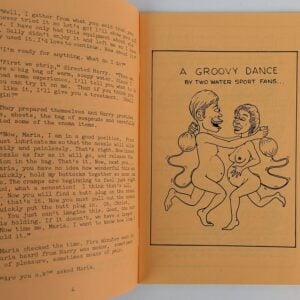
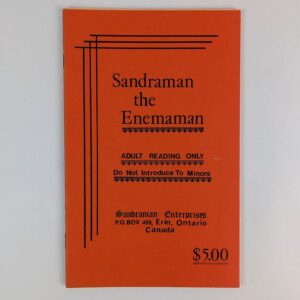
Erin: Sandraman Enterprises, No date.Illustrated erotic contact magazine devoted to enema fetishism and related watersports interests, issued during the 1970s from the same postal address as the fetishwear mail-order business Betty’s. Produced for a highly specialised readership, the publication combined illustrated fantasy narratives, correspondence, and contact-advertisement material centred on klismaphilia, the sexualisation of enemas and related practices. Although the fetish itself long predates its formal medical description, the term “klismaphilia” was coined in 1973 by psychiatrist Dr. Joanne Denko in a published case study examining patients for whom enemas functioned as a sexual preference. Earlier evidence of the practice appears in informal and clinical literature, including data gathered by sexologist Alfred Kinsey and colleagues in their 1953 survey of female sexual behaviour, which recorded enemas among a range of masturbatory techniques and erotic interests. Like many niche fetish publications of the period, Sandraman the Enemaman appears to have been distributed privately through mail-order networks rather than conventional bookselling channels. Survival rates are consequently low, reflecting both the ephemeral nature of the publication and the discretion of its readership. Unrecorded in OCLC.
-
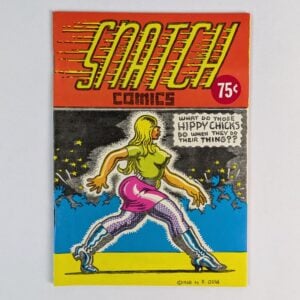
Snatch Comics
AU$100 Read MoreAdd to cartRobert Crumb; S. Clay Wilson
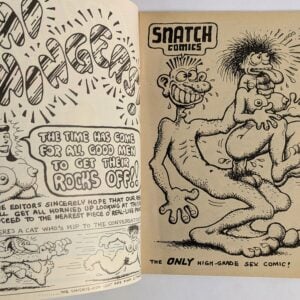
[San Francisco]: [Print Mint], 1968 [1975].Collection of sex themed underground comix by Robert Crumb and S. Clay Wilson.
-


Women in Love with Women
AU$100 Read MoreAdd to cartKarena Wilton
New York: The Olympia Press, 1971.The usual references to Kinsey, Caprio, PhDs, and The Second Sex dispersed with depictions of lingering touches, moans, and much more. OPS-39.
-
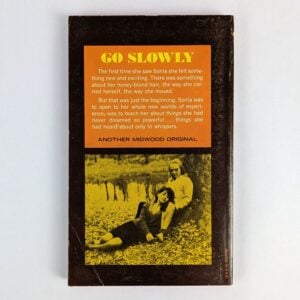
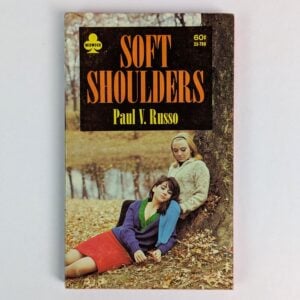
Soft Shoudlers
AU$50 Read MoreAdd to cartPaul V. Russo [Gilbert Fox]
New York: Midwood Enterprises, 1967.Original Midwood paperback. “Paul V. Russo” is attributed to Gilbert Fox, who used the name for his heterosexual novels at Midwood while writing his lesbian pulp fiction under the names Dallas Mayo and Kimberly Kemp for the same house. A novel of female friendship turned gateway to glamour and men, in which the heroine is drawn into a new social world by a new best friend.
-
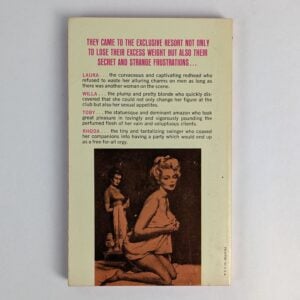
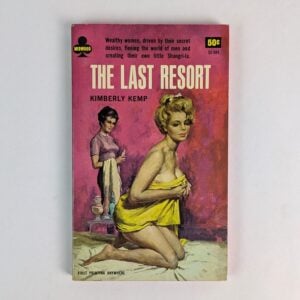
The Last Resort
AU$150 Read MoreAdd to cartKimberley Kemp [Gilbert Fox]
New York: Tower Publications, 1966.Original Midwood paperback. “Kimberley Kemp” is attributed to Gilbert Fox, who used the name (along with Dallas Mayo) for his lesbian pulp fiction at Midwood, reserving Paul V. Russo for his heterosexual novels for the same house. This tale set at a weight-loss resort, where the female guests find one another as well as the diet. Cover illustration by Victor Olson. Midwood later reissued the work under the alternate title Secret Cravings. One of the many lesbian pulp novels produced in the mid to late 20th century. Often formulaic and issued in easily recognisable series with suggestive covers and titillating titles, the genre was written largely by male authors under female pseudonyms for a male readership, though a smaller number of authors, some of them lesbian or bisexual women writing under similar pseudonyms, brought more narrative sincerity and psychological depth to the same commercial format. The genre as a whole ranges from outright formulaic titillation to more literary treatments of lesbian relationships within the constraints of the paperback original.
-
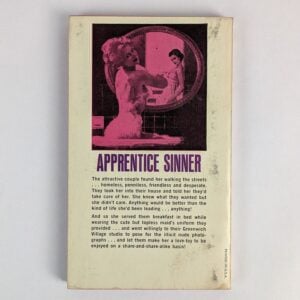
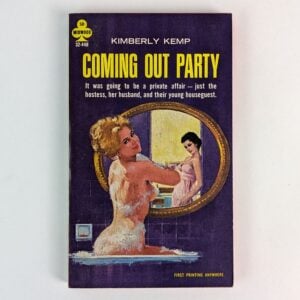
Coming Out Party
AU$150 Read MoreAdd to cartKimberley Kemp [Gilbert Fox]
New York: Tower Publications, 1965.Original Midwood paperback. “Kimberley Kemp” is attributed to Gilbert Fox, who used the name (along with Dallas Mayo) for his lesbian pulp fiction at Midwood, reserving Paul V. Russo for his heterosexual novels for the same house. This tale centred on a young houseguest drawn into an intimate arrangement with her hosts. One of the many lesbian pulp novels produced in the mid to late 20th century. Often formulaic and issued in easily recognisable series with suggestive covers and titillating titles, the genre was written largely by male authors under female pseudonyms for a male readership, though a smaller number of authors, some of them lesbian or bisexual women writing under similar pseudonyms, brought more narrative sincerity and psychological depth to the same commercial format. The genre as a whole ranges from outright formulaic titillation to more literary treatments of lesbian relationships within the constraints of the paperback original.
-
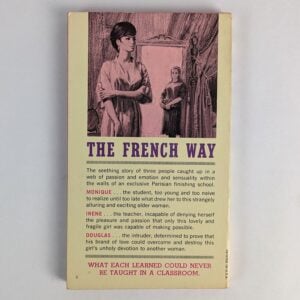
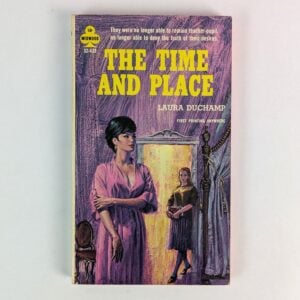
The Time and Place
AU$150 Read MoreAdd to cartLaura Duchamp [Sally M. Singer]
New York: Tower Publications, 1965.Original Midwood paperback. “Laura Duchamp” is attributed to Sally M. Singer, who published over 100 pulp novels under the names March Hastings and Laura Duchamp. A novel of lesbian pulp fiction set in a Parisian finishing school. One of the many lesbian pulps produced in the mid to late 20th century. Often formulaic and issued in easily recognisable series with suggestive covers and titillating titles, the genre was written largely by male authors under female pseudonyms for a male readership, though a smaller number of authors, some of them lesbian or bisexual women writing under similar pseudonyms, brought more narrative sincerity and psychological depth to the same commercial format. The genre as a whole ranges from outright formulaic titillation to more literary treatments of lesbian relationships within the constraints of the paperback original.
-
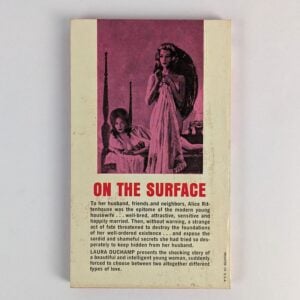
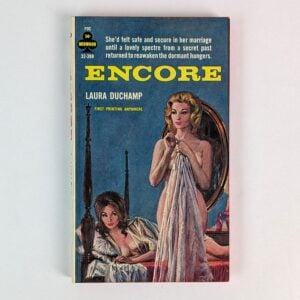
Encore
AU$150 Read MoreAdd to cartLaura Duchamp [Sally M. Singer]
New York: Tower Publications, 1964.Original Midwood paperback. “Laura Duchamp” is attributed to Sally M. Singer, who published over 100 pulp novels under the names March Hastings and Laura Duchamp. This tale centred on a young wife drawn away from her marriage by a female lover. One of the many lesbian pulp novels produced in the mid to late 20th century. Often formulaic and issued in easily recognisable series with suggestive covers and titillating titles, the genre was written largely by male authors under female pseudonyms for a male readership, though a smaller number of authors, some of them lesbian or bisexual women writing under similar pseudonyms, brought more narrative sincerity and psychological depth to the same commercial format. The genre as a whole ranges from outright formulaic titillation to more literary treatments of lesbian relationships within the constraints of the paperback original.
-
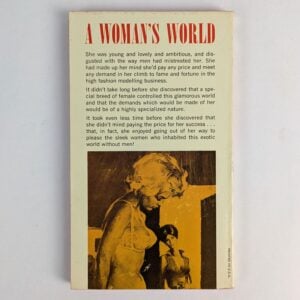
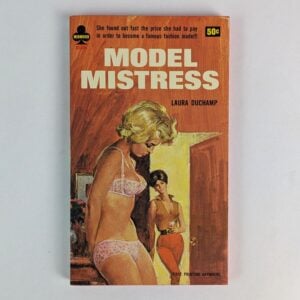
Model Mistress
AU$150 Read MoreAdd to cartLaura Duchamp [Sally M. Singer]
New York: Tower Publications, 1965.Original Midwood paperback. “Laura Duchamp” is attributed to Sally M. Singer, who published over 100 pulp novels under the names March Hastings and Laura Duchamp. This tale centred on a model that will pay any price for success. One of the many lesbian pulp novels produced in the mid to late 20th century. Often formulaic and issued in easily recognisable series with suggestive covers and titillating titles, the genre was written largely by male authors under female pseudonyms for a male readership, though a smaller number of authors, some of them lesbian or bisexual women writing under similar pseudonyms, brought more narrative sincerity and psychological depth to the same commercial format. The genre as a whole ranges from outright formulaic titillation to more literary treatments of lesbian relationships within the constraints of the paperback original.
-
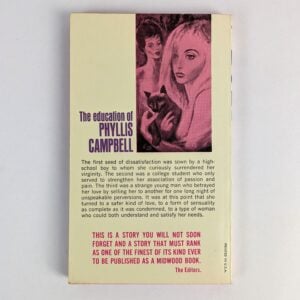
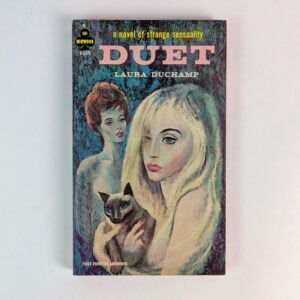
Duet
AU$150 Read MoreAdd to cartLaura Duchamp [Sally M. Singer]
New York: Tower Publications, 1964.Original Midwood paperback. “Laura Duchamp” is attributed to Sally M. Singer, who published over 100 pulp novels under the names March Hastings and Laura Duchamp. This tale centred on a woman dissatisfied with men turning to a woman for true sensuality. Cover illustration by Irv Docktor. One of the many lesbian pulp novels produced in the mid to late 20th century. Often formulaic and issued in easily recognisable series with suggestive covers and titillating titles, the genre was written largely by male authors under female pseudonyms for a male readership, though a smaller number of authors, some of them lesbian or bisexual women writing under similar pseudonyms, brought more narrative sincerity and psychological depth to the same commercial format. The genre as a whole ranges from outright formulaic titillation to more literary treatments of lesbian relationships within the constraints of the paperback original.
-
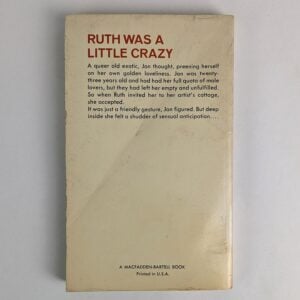
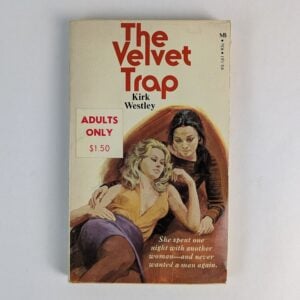
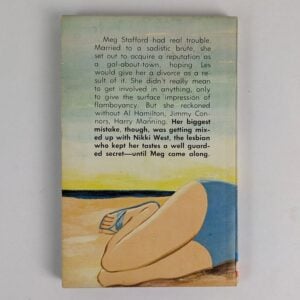
The Velvet Trap
AU$50 Read MoreAdd to cartKirk Westley [Manning Lee Stokes]
New York: Macfadden-Bartell, 1971.“She spent one night with another woman–and never wanted a man again.” Cover illustration by Daryl Greene. One of the many lesbian pulp novels produced in the mid to late 20th century. Often formulaic and issued in easily recognisable series with suggestive covers and titillating titles, the genre was written largely by male authors under female pseudonyms for a male readership, though a smaller number of authors, some of them lesbian or bisexual women writing under similar pseudonyms, brought more narrative sincerity and psychological depth to the same commercial format. The genre as a whole ranges from outright formulaic titillation to more literary treatments of lesbian relationships within the constraints of the paperback original.
-
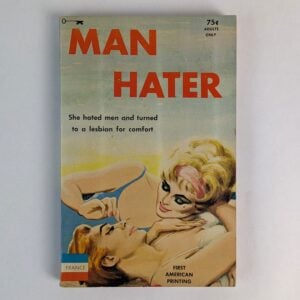
Man Hater
AU$50 Read MoreAdd to cartR. C. Gold
Hollywood: International Publications Inc., 1963.“She hated men and turned to a lesbian for comfort.” France’ Book 1067. One of the many lesbian pulp novels produced in the mid to late 20th century. Often formulaic and issued in easily recognisable series with suggestive covers and titillating titles, the genre was written largely by male authors under female pseudonyms for a male readership, though a smaller number of authors, some of them lesbian or bisexual women writing under similar pseudonyms, brought more narrative sincerity and psychological depth to the same commercial format. The genre as a whole ranges from outright formulaic titillation to more literary treatments of lesbian relationships within the constraints of the paperback original.
-

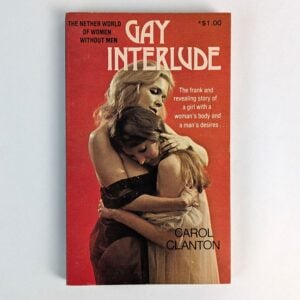
Gay Interlude
AU$100 Read MoreAdd to cartCarol Clanton
Sydney: Scripts, 1973.“The nether world of women without men.” Australian reissue of the 1961 Midwood release. One of the many lesbian pulp novels produced in the mid to late 20th century. Often formulaic and issued in easily recognisable series with suggestive covers and titillating titles, the genre was written largely by male authors under female pseudonyms for a male readership, though a smaller number of authors, some of them lesbian or bisexual women writing under similar pseudonyms, brought more narrative sincerity and psychological depth to the same commercial format. The genre as a whole ranges from outright formulaic titillation to more literary treatments of lesbian relationships within the constraints of the paperback original.
-

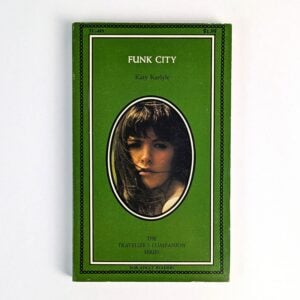
Funk City
AU$150 Read MoreAdd to cartKaty Karlyle
New York: The Olympia Press, 1970.The Traveller’s Companion TC-489. A young artists moves to New York to paint, but also discovers the joys of the flesh, both men and women.
-

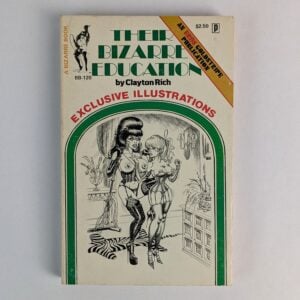
Their Bizarre Education
AU$200 Read MoreAdd to cartClayton Rich
Wilmington: Eros Publishing, 1974.Femdom BDSM pulp. Bizarre Book BB-24. Cover illustration and 12 full page black and with illustrations in the text by Bill Ward.
-


Drug Scene Kings Cross
AU$150 Read MoreAdd to cartRobert W. Connell
Sydney: Scripts, 1967.Psuedo-sociological inquiry into drug use in Kings Cross, Sydney. One of a number of Australian pulps playing into the public’s simultaneous fascination and fear of Sydney’s red light district. Features 4 photographs of a marijuana party and a glossary of drug terms.
-

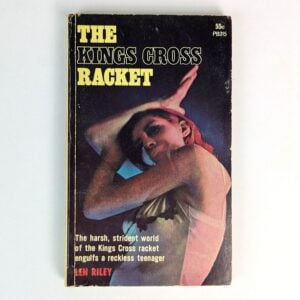
The Kings Cross Racket
Read MoreLen Riley
Sydney: Scripts, 1967.Australian pulp fiction, one of a number of playing into the public’s simultaneous fascination and fear of Sydney’s red light district. “The Unholy Cross. A vicious attack on a young surfie by a gang of hoodlums leads to an appalling sequence of events which are all probable in Kings Cross today. A vice king and his dolls, prostitutes and drug pedlars ensnare Billy Grant and drive him towards a terrible ending.”
-

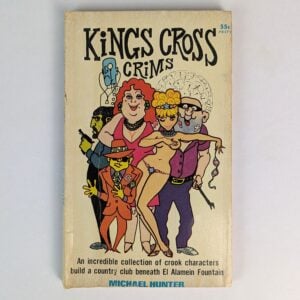
Kings Cross Crims
Read MoreMichael Hunter
Sydney: Horwitz Publications, 1968.Australian pulp fiction, one of a number of playing into the public’s simultaneous fascination and fear of Sydney’s red light district. “An incredible collection of crook characters build a country club beneath El Alamein Fountain.”
-


Pansy Beat
AU$200 Read MoreAdd to cartMichael Economy
[New York]: KrimsKrams Island, 2017.“Pansy Beat was a short-lived fanzine published by Michael Economy in New York from 1989 to 1990, totalling five quarterly issues. Each issue’s 50-some black-and-white pages documented the exuberant downtown gay and drag club scene of that era and included one free condom. The zine offered a glimpse into an exhilarating alternative universe during the darkest years of the AIDS crisis. Interviews profiled downtown personalities on the verge of global stardom, many still working to this day. Artists such as Lady Bunny, Billy Erb, Connie Fleming, Kenny Kenny, Lady Miss Kier and Larry Tee first shared their memorable selves in print on the pages of Pansy Beat. The zine also featured interviews with Edwige Belmore, Leigh Bowery and Quentin Crisp. This book celebrates Pansy Beat’s brief but influential life, including a reprinting of all five issues in their original format, previously unseen photographs by staff photographer Michael Fazakerley, new full-color artwork by some of the original contributors, plus new essays and interviews.” (publisher’s blurb) This copy inscribed by Michael.
-
Mistresses of Desire
AU$150 Read MoreAdd to cart[Leonard Burtman]
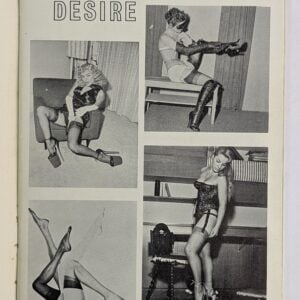
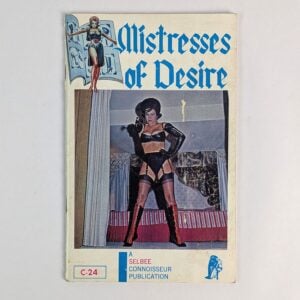
New York: Selbee Associates, 1964.Fetish photobook of dominating pinup looks in leather, lingerie, and other exotic attire, also featuring Bettie Page, produced by Leonard Burtman’s Selbee Connoisseur, C-24.
-

Pink Ink: An Anthology of Australian Lesbian and Gay Writers
AU$50 Read MoreAdd to cartKerry Bashford; Mikey Halliday; Chris Jones; Peter Kerans; Leonie Knight; Jan Moulstone; Wendy Moulstone
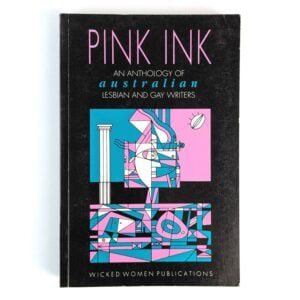
Sydney: Wicked Women Publications, 1991.Featuring Xalid Abd-ul-Wahid, Graeme Aitken, Mazz Appleton, Kerry Bashford, Catherine Bateson, Javant Biarujia, Ian C. Birks, Margaret Bradstock, Buffy Bright, Di Brown, Pamela Brown, Fiesta Carrera, Cicada, Rebecca Cox, S. Daalmeyer, Steven Dawson, Campsion Decent, Linda Dement, Gary Dunne, Kathleen Mary Fallon, Mikol Furneaux, Denis Gallagher, Carolyn Gerrish, Mikey Halliday, Susan Hampton, Jen Harrison, Tim Herbert, Lyn Hughes, Giles Hugo, Michael Hurley, Chris Jones, Karl Karlsen, Peter Kerans, Kerry Leves, Ian MacNeill, Frances Marjorie, Manfred Jurgensen, Cynthia Maxwell-Smith, Don Maynard, Dorothy Moore, Jan Moulstone, Wendy Moulstone, Rosslyn Prosser, Dorothy Porter, Gina Schien, Kurt Josef Schranzer, Robert Tompsett, Marky Try, Paul Van Reyk, Natalie Varnish, Louise Wakeling, Linda Weste, and Adrian Weston.
-

People’s Gay Sunshine: A Newspaper of Gay Males
AU$50 Read MoreAdd to cartPeople’s Gay Sunshine
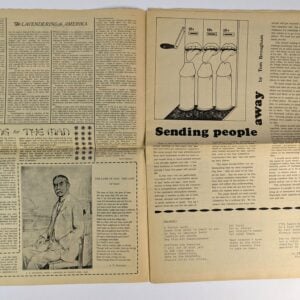
Berkeley: People’s Gay Sunshine, No date.One-shot California gay newspaper. Cover story on James Baldwin and featuring Allen Ginsberg, Edward Carpenter, an open letter to Tennessee Williams, and more.
-
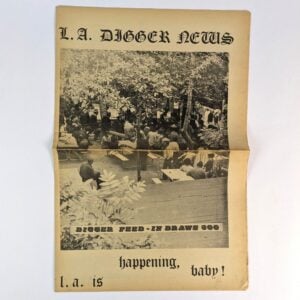
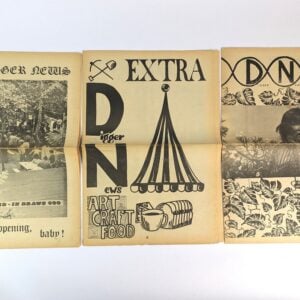
L. A. Digger News; DNA: Digger News Association; Extra Digger News
AU$2,000 Read MoreAdd to cartLos Angeles Diggers
Los Angeles: Los Angeles Diggers, 1967.Complete run of the three issues published by the Los Angeles Diggers, also known as the Digger Creative Society, an underground counterculture group active in Los Angeles during the summer of 1967. The paper changed its title with each issue. Inspired by the San Francisco Diggers but apparently not organisationally linked to them, the Los Angeles group ran a free store, distributed free food, and arranged emergency housing and free medical care in anticipation of a mass influx of hippies to the city over the summer. The papers were distributed free through local head shops with an optional donation, and reported on these activities alongside coverage of love-ins and related events.
-
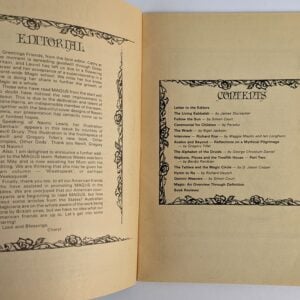
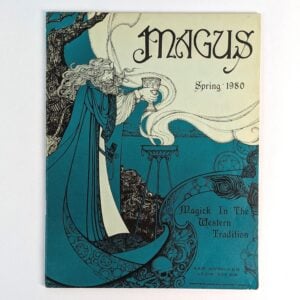
Magus: A Journal In The Western Magical Tradition: Number Five, Spring 1980
Read MoreMagus Publications
Sydney: Magus Publications, 1980.Sydney-based occult periodical documenting the western magical tradition as practised within Australia’s late 1970s and early 1980s esoteric scene. Contributors to this number include James Sturzaker, author of Gemstones and Their Occult Power (1977) and a figure associated with the International Order of Kabbalists, and Gregory Tillett, later the principal biographer of Charles Webster Leadbeater (The Elder Brother, 1982) and a significant scholar of Australian Theosophical history. Also contributing are D. Jason Cooper, Simon Court, and others.
-
DoodleBug
AU$400 Read MoreAdd to cartRoyston Robertson; Colin Robinson; Criss; Siggy
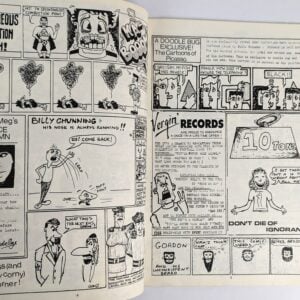
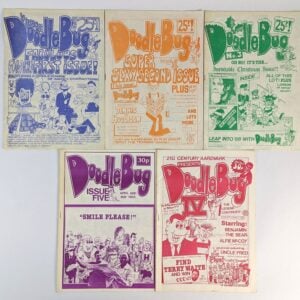
North Yorkshire: DoodleBug, 1987-88.The first five issues (of eight) of a self-published comic created in North Yorkshire by cartoonist Royston Robertson (b. 1968) with a group of sixth-form friends, in imitation of the recently-successful Viz. Each issue was printed in a run of 1,000 copies and distributed by the group themselves to local shops and pubs. The comic was reviewed in Record Mirror and championed on BBC Radio One by John Peel. Ending after eight issues when Roberston went onto university; he later worked as a journalist and sub-editor at The Times, before becoming a full-time cartoonist in 2004 contributing to Private Eye, The Spectator, and other periodicals. “Hundreds of zany japes about things such as Australians, baseball, beards, bears, beasties, birds, boredom, cartoonists, cliches, cockneys, doors, drugs, eggs, fish, game-shows, Geordies, graffiti, hangovers, Hitler, hooliganism, ignorance, Max Headroom, money, mops, murder, necks, nonsense, noses, nuclear waste, pearls, Picasso, prisons, punctuality, quadrangles, sado-masochism, sex, sex, spiders, spontaneous combustion, suicide, toe nails, tortoises, the obvious, werewolves and yuppies!” (from the cover of No. 1) Unrecorded in OCLC.
-

Rhythm
AU$1,200 Read MoreAdd to cartAnthony J. Sansone
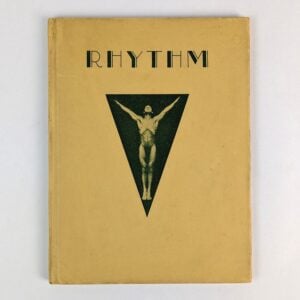
New York: Anthony J. Sansone, 1935.Forty-three nude physique plates of bodybuilder, model, and dancer Tony Sansone, photographed by Edwin F. Townsend and Peter A. Juley. Introduction by the sculptor Arthur Lee, whose bronze studies of Sansone are reproduced in two of the plates. This copy inscribed by Sansone.
-
The Boys of Bel Ami
Read MoreHoward Roffman
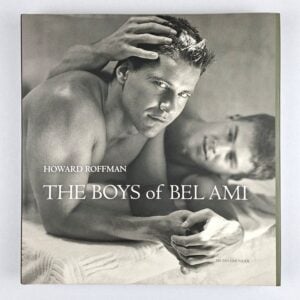
Berlin: Bruno Gmunder, 2006.BelAmi is a gay pornographic film studio founded in 1993 by the Slovak filmmaker George Duroy, whose pseudonym was taken from the protagonist of Guy de Maupassant’s novel Bel-Ami. Established in the years following the collapse of the Eastern Bloc, the studio became closely associated with performers from Central and Eastern Europe, particularly the Czech Republic, Slovakia, and Hungary, presenting an idealised image of youthful masculine beauty and helping to define the archetype of the Euro-twink in contemporary gay erotica. BelAmi distinguished itself through a polished and often narrative-driven style of filmmaking. Rather than relying solely on a succession of scenes, many productions incorporated simple storylines, characterisation, and location shooting in rural, coastal, and historic European settings, lending the films a degree of atmosphere unusual within the genre at the time. The same aesthetic informed the studio’s extensive publishing programme, including calendars and photobooks produced with Bruno Gmunder Verlag. These publications, combining portraiture, travel imagery, and erotic photography, are striking examples of late twentieth- and early twenty-first-century gay visual culture.
-

Paradise Found
AU$400 Read MoreAdd to cartHoward Roffman
Berlin: Bruno Gmunder, 2011.BelAmi is a gay pornographic film studio founded in 1993 by the Slovak filmmaker George Duroy, whose pseudonym was taken from the protagonist of Guy de Maupassant’s novel Bel-Ami. Established in the years following the collapse of the Eastern Bloc, the studio became closely associated with performers from Central and Eastern Europe, particularly the Czech Republic, Slovakia, and Hungary, presenting an idealised image of youthful masculine beauty and helping to define the archetype of the Euro-twink in contemporary gay erotica. BelAmi distinguished itself through a polished and often narrative-driven style of filmmaking. Rather than relying solely on a succession of scenes, many productions incorporated simple storylines, characterisation, and location shooting in rural, coastal, and historic European settings, lending the films a degree of atmosphere unusual within the genre at the time. The same aesthetic informed the studio’s extensive publishing programme, including calendars and photobooks produced with Bruno Gmunder Verlag. These publications, combining portraiture, travel imagery, and erotic photography, are striking examples of late twentieth- and early twenty-first-century gay visual culture.
-
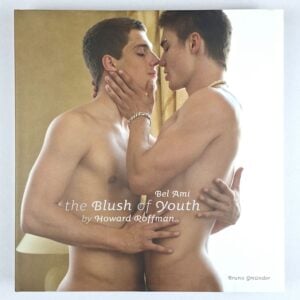
Bel Ami: The Blush of Youth
AU$800 Read MoreAdd to cartHoward Roffman
Berlin: Bruno Gmunder, 2010.BelAmi is a gay pornographic film studio founded in 1993 by the Slovak filmmaker George Duroy, whose pseudonym was taken from the protagonist of Guy de Maupassant’s novel Bel-Ami. Established in the years following the collapse of the Eastern Bloc, the studio became closely associated with performers from Central and Eastern Europe, particularly the Czech Republic, Slovakia, and Hungary, presenting an idealised image of youthful masculine beauty and helping to define the archetype of the Euro-twink in contemporary gay erotica. BelAmi distinguished itself through a polished and often narrative-driven style of filmmaking. Rather than relying solely on a succession of scenes, many productions incorporated simple storylines, characterisation, and location shooting in rural, coastal, and historic European settings, lending the films a degree of atmosphere unusual within the genre at the time. The same aesthetic informed the studio’s extensive publishing programme, including calendars and photobooks produced with Bruno Gmunder Verlag. These publications, combining portraiture, travel imagery, and erotic photography, are striking examples of late twentieth- and early twenty-first-century gay visual culture.
-

BelAmi: Oversized
AU$500 Read MoreAdd to cartStephan Niederwieser
Berlin: Bruno Gmunder, 2011.BelAmi is a gay pornographic film studio founded in 1993 by the Slovak filmmaker George Duroy, whose pseudonym was taken from the protagonist of Guy de Maupassant’s novel Bel-Ami. Established in the years following the collapse of the Eastern Bloc, the studio became closely associated with performers from Central and Eastern Europe, particularly the Czech Republic, Slovakia, and Hungary, presenting an idealised image of youthful masculine beauty and helping to define the archetype of the Euro-twink in contemporary gay erotica. BelAmi distinguished itself through a polished and often narrative-driven style of filmmaking. Rather than relying solely on a succession of scenes, many productions incorporated simple storylines, characterisation, and location shooting in rural, coastal, and historic European settings, lending the films a degree of atmosphere unusual within the genre at the time. The same aesthetic informed the studio’s extensive publishing programme, including calendars and photobooks produced with Bruno Gmunder Verlag. These publications, combining portraiture, travel imagery, and erotic photography, are striking examples of late twentieth- and early twenty-first-century gay visual culture.
-

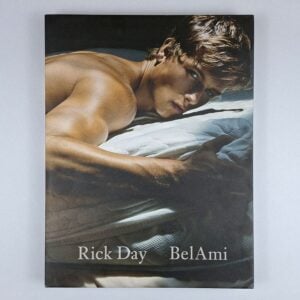
BelAmi
Read MoreRick Day
Berlin: Bruno Gmunder, 2016.BelAmi is a gay pornographic film studio founded in 1993 by the Slovak filmmaker George Duroy, whose pseudonym was taken from the protagonist of Guy de Maupassant’s novel Bel-Ami. Established in the years following the collapse of the Eastern Bloc, the studio became closely associated with performers from Central and Eastern Europe, particularly the Czech Republic, Slovakia, and Hungary, presenting an idealised image of youthful masculine beauty and helping to define the archetype of the Euro-twink in contemporary gay erotica. BelAmi distinguished itself through a polished and often narrative-driven style of filmmaking. Rather than relying solely on a succession of scenes, many productions incorporated simple storylines, characterisation, and location shooting in rural, coastal, and historic European settings, lending the films a degree of atmosphere unusual within the genre at the time. The same aesthetic informed the studio’s extensive publishing programme, including calendars and photobooks produced with Bruno Gmunder Verlag. These publications, combining portraiture, travel imagery, and erotic photography, are striking examples of late twentieth- and early twenty-first-century gay visual culture.
-

All Players
AU$600 Read MoreAdd to cartRick Day
Berlin: Bruno Gmunder, 2012.Large-format photobook of male nudes. The third and concluding volume in Day’s Players series, focussed on the athletic male physique in sporting kit, partial undress, and full nudity, combining selected images from the two earlier volumes with new material.
-
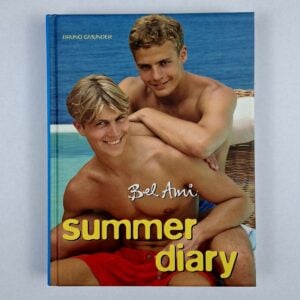
Bel Ami: Summer Diary
AU$100 Read MoreAdd to cartMarty Stevens
Berlin: Bruno Gmunder, 2003.BelAmi is a gay pornographic film studio founded in 1993 by the Slovak filmmaker George Duroy, whose pseudonym was taken from the protagonist of Guy de Maupassant’s novel Bel-Ami. Established in the years following the collapse of the Eastern Bloc, the studio became closely associated with performers from Central and Eastern Europe, particularly the Czech Republic, Slovakia, and Hungary, presenting an idealised image of youthful masculine beauty and helping to define the archetype of the Euro-twink in contemporary gay erotica. BelAmi distinguished itself through a polished and often narrative-driven style of filmmaking. Rather than relying solely on a succession of scenes, many productions incorporated simple storylines, characterisation, and location shooting in rural, coastal, and historic European settings, lending the films a degree of atmosphere unusual within the genre at the time. The same aesthetic informed the studio’s extensive publishing programme, including calendars and photobooks produced with Bruno Gmunder Verlag. These publications, combining portraiture, travel imagery, and erotic photography, are striking examples of late twentieth- and early twenty-first-century gay visual culture.
-
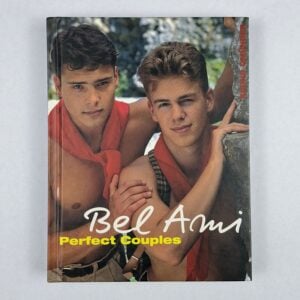
Bel Ami: Perfect Couples
AU$100 Read MoreAdd to cartBel Ami
Berlin: Bruno Gmunder, 1999.BelAmi is a gay pornographic film studio founded in 1993 by the Slovak filmmaker George Duroy, whose pseudonym was taken from the protagonist of Guy de Maupassant’s novel Bel-Ami. Established in the years following the collapse of the Eastern Bloc, the studio became closely associated with performers from Central and Eastern Europe, particularly the Czech Republic, Slovakia, and Hungary, presenting an idealised image of youthful masculine beauty and helping to define the archetype of the Euro-twink in contemporary gay erotica. BelAmi distinguished itself through a polished and often narrative-driven style of filmmaking. Rather than relying solely on a succession of scenes, many productions incorporated simple storylines, characterisation, and location shooting in rural, coastal, and historic European settings, lending the films a degree of atmosphere unusual within the genre at the time. The same aesthetic informed the studio’s extensive publishing programme, including calendars and photobooks produced with Bruno Gmunder Verlag. These publications, combining portraiture, travel imagery, and erotic photography, are striking examples of late twentieth- and early twenty-first-century gay visual culture.
-
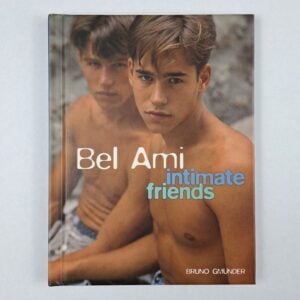
Bel Ami: Intimate Friends
AU$100 Read MoreAdd to cartGeorge Duroy
Berlin: Bruno Gmunder, 2001.BelAmi is a gay pornographic film studio founded in 1993 by the Slovak filmmaker George Duroy, whose pseudonym was taken from the protagonist of Guy de Maupassant’s novel Bel-Ami. Established in the years following the collapse of the Eastern Bloc, the studio became closely associated with performers from Central and Eastern Europe, particularly the Czech Republic, Slovakia, and Hungary, presenting an idealised image of youthful masculine beauty and helping to define the archetype of the Euro-twink in contemporary gay erotica. BelAmi distinguished itself through a polished and often narrative-driven style of filmmaking. Rather than relying solely on a succession of scenes, many productions incorporated simple storylines, characterisation, and location shooting in rural, coastal, and historic European settings, lending the films a degree of atmosphere unusual within the genre at the time. The same aesthetic informed the studio’s extensive publishing programme, including calendars and photobooks produced with Bruno Gmunder Verlag. These publications, combining portraiture, travel imagery, and erotic photography, are striking examples of late twentieth- and early twenty-first-century gay visual culture.
-
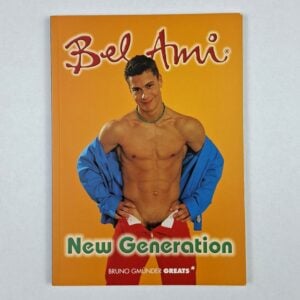
Bel Ami: New Generation
AU$100 Read MoreAdd to cartGeorge Duroy
Berlin: Bruno Gmunder, 2008.BelAmi is a gay pornographic film studio founded in 1993 by the Slovak filmmaker George Duroy, whose pseudonym was taken from the protagonist of Guy de Maupassant’s novel Bel-Ami. Established in the years following the collapse of the Eastern Bloc, the studio became closely associated with performers from Central and Eastern Europe, particularly the Czech Republic, Slovakia, and Hungary, presenting an idealised image of youthful masculine beauty and helping to define the archetype of the Euro-twink in contemporary gay erotica. BelAmi distinguished itself through a polished and often narrative-driven style of filmmaking. Rather than relying solely on a succession of scenes, many productions incorporated simple storylines, characterisation, and location shooting in rural, coastal, and historic European settings, lending the films a degree of atmosphere unusual within the genre at the time. The same aesthetic informed the studio’s extensive publishing programme, including calendars and photobooks produced with Bruno Gmunder Verlag. These publications, combining portraiture, travel imagery, and erotic photography, are striking examples of late twentieth- and early twenty-first-century gay visual culture.
-
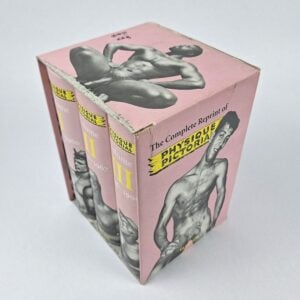
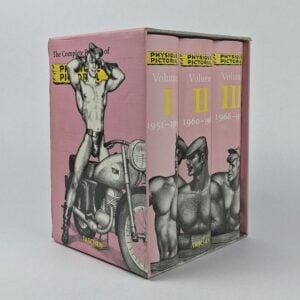
The Complete Reprint of Physique Pictorial, 1951-1990 (3 Volumes)
AU$250 Read MoreAdd to cartWayne E. Stanley
Koln: Taschen, 1997.Taschen edition featuring the original series of the most popular of beefcake magazines, Physique Pictorial, produced by Bob Mizer’s AMG with an essay by Wayne E. Stanley. Early issues feature scantily clad athletic men in fitness poses together with homoerotic artwork by Tom of Finland, Harry Bush, George Quaintance, and others. If you can stayed focused the text provides insight into gay culture and rights at the time, as well as details on the models and artwork. Into the late 1960s and 1970s as the laws around censorship change, the beefcake physique magazine became more naked and blatantly homoerotic.
-
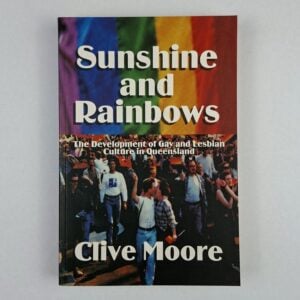
Sunshine and Rainbows: The Development of Gay and Lesbian Culture in Queensland
AU$60 Read MoreAdd to cartClive Moore
Brisbane: University of Queensland Press, 2001.“a history of the development of homosexuality as an Australian subculture. Proceeding chronologically from the 1820s through to the vibrant alternative culture that exists in 2000, Sunshine and Rainbows argues that the manner in which gay and lesbian identity has been constructed in Queensland is typical of Australia generally. Beginning with isolated acts suppressed by criminal law and medical opnion, a homosexual identity developed, which by the mid-nineteenth century was based on male appropriation of public space. A clandestine social subculture was in place during the first half of the twentieth century. Despite continued religious, social, legal and medical repression, it became an obvious part of Australian sexuality, expressed through Beats and early gathering places such as coffee shops, hotels and theatres. Well developed in urban areas by the 1930s and 1940s, the subculture strengthened in the 1970s and 1980s, when clubs, gay commercial venues and political organisations emerged. The fight for gay law reform, recognition of the rights of same-sex partners, and of individuals affected by HIV/AIDS continues today. Sunshine and Rainbows discusses the different roles of gay men and lesbians in the subculture, arguing that by the end of the twentieth century a transition had occurred to a full-development alternative culture.” (from rear cover)
-
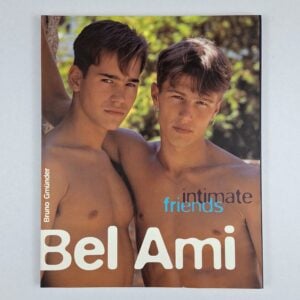
Bel Ami: Intimate Friends
AU$100 Read MoreAdd to cartGeorge Duroy
Berlin: Bruno Gmunder, 1996.BelAmi is a gay pornographic film studio founded in 1993 by the Slovak filmmaker George Duroy, whose pseudonym was taken from the protagonist of Guy de Maupassant’s novel Bel-Ami. Established in the years following the collapse of the Eastern Bloc, the studio became closely associated with performers from Central and Eastern Europe, particularly the Czech Republic, Slovakia, and Hungary, presenting an idealised image of youthful masculine beauty and helping to define the archetype of the Euro-twink in contemporary gay erotica. BelAmi distinguished itself through a polished and often narrative-driven style of filmmaking. Rather than relying solely on a succession of scenes, many productions incorporated simple storylines, characterisation, and location shooting in rural, coastal, and historic European settings, lending the films a degree of atmosphere unusual within the genre at the time. The same aesthetic informed the studio’s extensive publishing programme, including calendars and photobooks produced with Bruno Gmunder Verlag. These publications, combining portraiture, travel imagery, and erotic photography, are striking examples of late twentieth- and early twenty-first-century gay visual culture.
-

The Practical Handbook of Plant Alchemy
AU$80 Read MoreAdd to cartManfred M. Junius
Rochester: Healing Arts Press, 1993.An Herbalist’s Guide to Preparing Medicinal Essences, Tinctures, and Elixirs.
-


An Australian Identity: Houses for Sydney, 1953-63
Read MoreJennifer Taylor
Sydney: University of Sydney, 1984.Jennifer Taylor (1935-2015) was Associate Professor of Architecture at the University of Sydney at the time of publishing. Through this account of postwar architecture, she contends that the houses featured are culturally distinctive, and that they could play a crucial role in addressing Sydney’s housing needs. Includes “The Sydney School”, Neo-Brutalism, Organic Architecture, and “The Natural House”.
-

Das Musikalische System der Griechen in Seiner Urgestalt.
AU$200 Read MoreAdd to cartC. Fortlage
Leipzig: Breitkopf und Hartel, 1847.Aus den Tonleitern des Alypius zum ersten male entwickelt von Dr. C. Fortlage, Ausserordentlichem Professor der Philosophie in Jena. Mit II Tabellen. [The Musical System of the Greeks in its Original Form. Developed for the first time from the scales of Alypius]. This copy with the stamp of musician Immanuel Gotthold Reimann (1859-1932), founder of the Adelaide College of Music.
-

Tom of Finland The Comics Volume I
AU$100 Read MoreAdd to cartDian Hanson; Tom of Finland
Koln: Taschen, 2011.Collected volume of ToFs comic illustration with the reversible panic dust jacket for safe reading on the train.
-
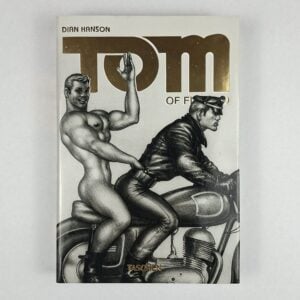
Tom of Finland Volume II: Bikers
AU$100 Read MoreAdd to cartDian Hanson; Tom of Finland
Koln: Taschen, 2012.Collected volume of ToFs Bikers with the reversible panic dust jacket for safe reading on the train.
-
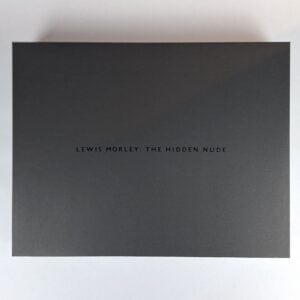

The Hidden Nude
AU$4,000 Read MoreAdd to cartLewis Morley
Sydney: T&G Publishing, 2011.Limited Edition of Lewis Morley’s I To Eye with a chromogenic photographic print on Fuji Crystal Archive Flex (40.6cm x 30.5 cm), being a portrait from Morley’s iconic 1963 series with model Christine Keeler, signed and numbered by the photographer in an edition of 150 copies. The print is housed in a custom made folder in turn housed in a custom made box with the book and a large format 8 page booklet/certificate with text by Morley.
-

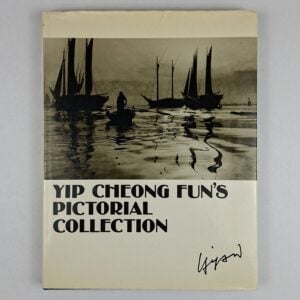
Yip Cheong Fun’s Pictorial Collection
AU$400 Read MoreAdd to cartYip Cheong Fun
[Singapore]: [Yip Cheong Fun], [1985].Late career monograph of the Singaporean photographer Yip Cheong Fun. This copy signed and dated by the photographer.
-
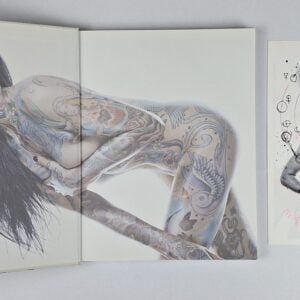
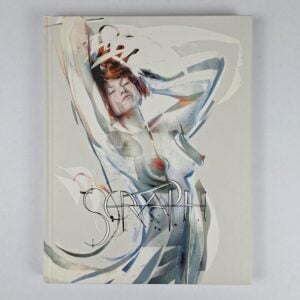
Seraph
AU$150 Read MoreAdd to cartAllan Amato
Los Angeles: Baby Tattoo Books, 2017.Collection of female nude photography exploring nakedness and sexuality. Introduction by Erika Moen. Essays by Liz Lee Stoya. 3 limited edition designs and a trade edition were released. This is the limited edition design featuring Amanda Palmer by Bill Seinkiewicz on the cover, one of 200 numbered copies signed by Amato and Seinkiewicz, also with a signed hand-embellished print by Seinkiewicz laid in.
-

Bel Ami: Frisky Memories
AU$100 Read MoreAdd to cartGeorge Duroy
Berlin: Bruno Gmunder, 1999.BelAmi is a gay pornographic film studio founded in 1993 by the Slovak filmmaker George Duroy, whose pseudonym was taken from the protagonist of Guy de Maupassant’s novel Bel-Ami. Established in the years following the collapse of the Eastern Bloc, the studio became closely associated with performers from Central and Eastern Europe, particularly the Czech Republic, Slovakia, and Hungary, presenting an idealised image of youthful masculine beauty and helping to define the archetype of the Euro-twink in contemporary gay erotica. BelAmi distinguished itself through a polished and often narrative-driven style of filmmaking. Rather than relying solely on a succession of scenes, many productions incorporated simple storylines, characterisation, and location shooting in rural, coastal, and historic European settings, lending the films a degree of atmosphere unusual within the genre at the time. The same aesthetic informed the studio’s extensive publishing programme, including calendars and photobooks produced with Bruno Gmunder Verlag. These publications, combining portraiture, travel imagery, and erotic photography, are striking examples of late twentieth- and early twenty-first-century gay visual culture.
-
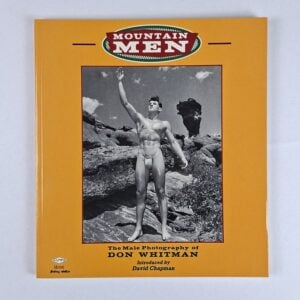
Mountain Men: The Male Photography of Don Whitman
AU$100 Read MoreAdd to cartDon Whitman
London: Editions Aubrey Walter, 1991.The physique photography of Don Whitman’s Western Photography Guild, operating out of Denver Colorado, capturing the perfectly sculpted men of the American West in the Rocky Mountains.
-
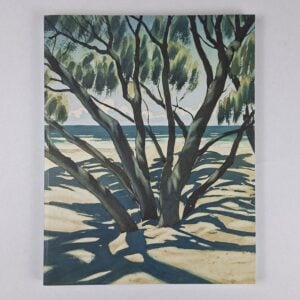
Making It Modern: The Watercolours of Kenneth Macqueen
AU$150 Read MoreAdd to cartSamantha Littley; Kenneth Macqueen
Brisbane: Queensland Art Gallery, 2007. -

Utopia: The Genius of Emily Kame Kngwarreye
AU$100 Read MoreAdd to cartMargo Neale; Emily Kngwarreye
Tokyo: The Yomiuri Shimbun, 2008.The bilingual Japanese edition published to accompany the retrospective exhibition shown in Osaka and Tokyo.
-

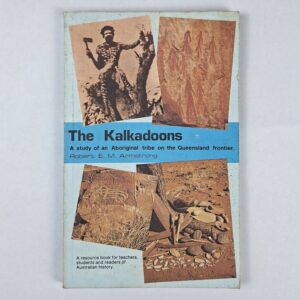
The Kalkadoons: A Study of an Aboriginal Tribe on the Queensland Frontier
Read MoreRobert E. M. Armstrong
Brisbane: William Brooks, No date.A resource book for teachers, students and readers of Australian history. “The Kalkadoon (Kalkatungu) are descendants of an Indigenous Australian tribe living in the Mount Isa region of Queensland. Their forefather tribe has been called the Elite of the Aboriginal warriors of Queensland. In 1884 they were massacred at Battle Mountain by settlers and police.” (from Kalkadoon PBC website) This book shows that the Kalkadoon did not submissively accept the takeover of their land.
-
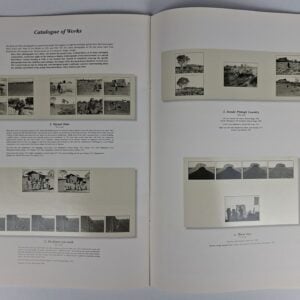
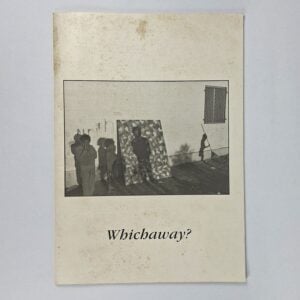
Whichaway? Photographs from Kiwirrjura, 1974-1996
AU$60 Read MoreAdd to cartJon Rhodes
Thora: Jon Rhodes, 1998. -


The BMW 02 Series: The Cult Car (BMW Profiles 3)
AU$200 Read MoreAdd to cartWalter Zeichner
: BMW, 1998.The third in a series of historical profile books produced by the auto manufacture. With the 2002 Turbo quadfold brochure in rear pocket.
-

Songwords
Read MoreFiona Colin; Sarah Curtis
Melbourne: Fiona Colin and Sarah Curtis, No date.Poster documenting a collection of women’s songs, most featuring music by Clitoris or the Women’s Electric Band, two bands active in the mid 1970s Sydney and Melbourne feminist and queer rock music scenes. A note at the bottom right of the poster states that they are collecting women’s songs for a book and that contributions should be sent to Dianne Duncombe and Virginia Fraser (it doesn’t seem that such a book ever eventuated). Full list of titles and credits recorded on the poster: Mean and Nasty (words by Susan Hollis, music by Susan Hollis and Riff Raff), Introspection, Double Standard, Coupling (words and music by Robyn Archer), Pushing Shit Uphill – Uranium Songs (words by Vicki Bell, music by Vicki Bell and the Women’s Electric Band), Song for Lesbians (words by Leonie Crennan, music by Clitoris), Mother Who’s That Man (words by Penny Short, music by Clitoris), Catholic Song (words by Teresa Jack, music by Clitoris), Feelin’ Fine (words by Margaret Hender, music by Margaret Hender and the Women’s Electric Band), Male Illusion Fast Intrusion (words by Dianne Duncombe, music by Dianne Duncombe and the Women’s Electric Band).
-
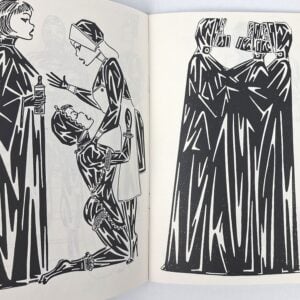
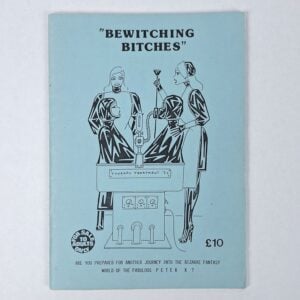
Bewitching Bitches
AU$400 Read MoreAdd to cartPeter X
London: [Swish Publications], No date.“Are you prepared for another journey into the bizarre fantasy world of the fabulous Peter X?” The second of two collections of fetish drawings by the fantasist of dominant women and lady rubberists published by the English femdom magazine Madame. Circa 1986-87. Both of Peter X’s works unrecorded in OCLC.
-
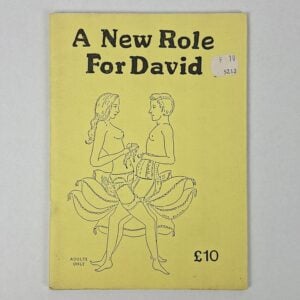
A New Role For David
Read MoreAnonymous
London: Swish Publications, No date.The tale of a new crossdresser published by the English femdom magazine Madame. Circa 1986-87. Unrecorded in OCLC.
-
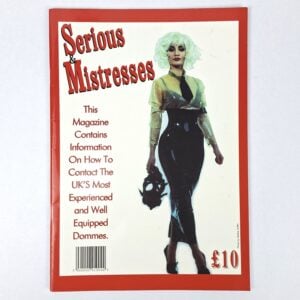
Serious & Mistresses
AU$60 Read MoreAdd to cartDOM Promotions
Blackwood: DOM Promotions, No date.English catalogue of dominatrixes and mistresses, mostly full page adverts devoted to each. Unrecorded in OCLC.
-
Unleashed! (Volume 1, Number 1, 2, 3, 4)
AU$500 Read MoreAdd to cartJohn Garner
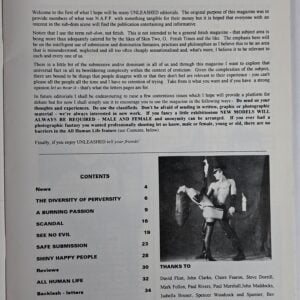
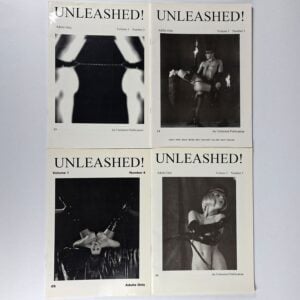
Leeds: Unlimited, 1994-1995.First four issues of the English BDSM magazine Unleashed!, comprising articles, SM sex guides, erotic photography and art, community news and events, letters and classifieds, with frequent reports on the launch and closure of fetish events, businesses, and other publications. Photography largely by John Garner, with contributions from David Flint among others. Issue four trails a fifth issue; whether this appeared is not known. Unrecorded in OCLC; a single issue (no. 1) is held by the Bishopsgate Institute UK Fetish Archive, London.
-
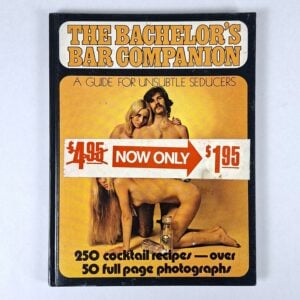
The Bachelor’s Bar Companion: A Guide for Unsubtle Seducers
AU$100 Read MoreAdd to cartNigel Shaw
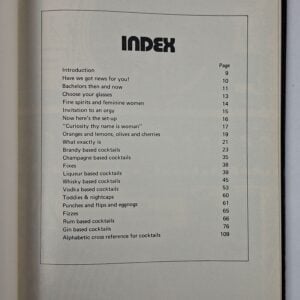
Sydney: Leon Publishing Company, 1972.Part of Sydney publisher Leon’s Bachelor’s series of guides for the unmarried man. Illustrated throughout with professional models, some of the photographs by Douglas Thompson. If you can look past them, the volume also contains 250 cocktail recipes and tips for winning a lady’s favours.
-
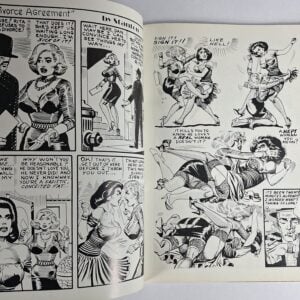
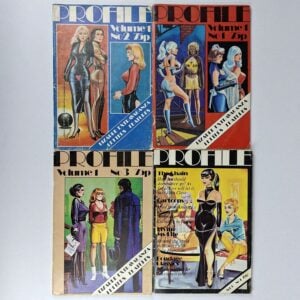
Profile (Volume 1 No 1, 2, 3, 4)
AU$500 Read MoreAdd to cartCarl Handen
London: European Publications, 1973.British “bizarre” periodical, edited by Carl Handen with art direction by Hans Deiter. Each cover is illustrated by the American artist Eric Stanton, whose bondage and fetish comics also run throughout all four issues; the cover of number four is billed as “More from America’s leading bizarre illustrator – Stanton. Exclusive to Profile.” The same issue announces that Profile has “obtained the exclusive rights to the creative and erotic writing of John Cleve,” the principal pseudonym of the American writer Andrew J. Offutt, extensively used for erotic fiction between 1969 and the mid 1980s; the story “The Chain,” appearing in this number. Also included is a feature on the pseudonymous French novelist Alan Mac Clyde and the illustrator Carlo, both associated with the interwar French sadomasochistic novel genre. Further contributors across the four numbers include Audrey Kendell, Iago, Maud Cameron, Bernard Valonnes, Gee Kay, Earle Dexter, Mark Ralphs, Victor Rhodes, Julie Hamilton, and Sally Fleming. Number four states that a fifth issue was planned; it is not known whether publication continued. Unrecorded in OCLC, and not mentioned in Richar Perez Seves: Eric Stanton & the History of the Bizarre Underground. A complete run (Nos. 1-4) is held by the Bishopsgate Institute’s UK Fetish Archive, London.
-

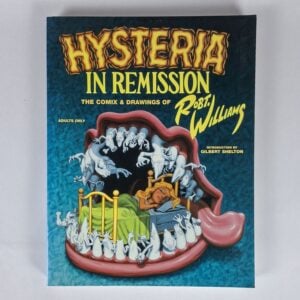
Hysteria in Remission: The Comix & Drawings of Robt. Williams
AU$80 Read MoreAdd to cartRobert Williams
Seattle: Fantagraphics, 2002.Underground comic art of Robert Williams, with an introduction by Gilbert Shelton
-
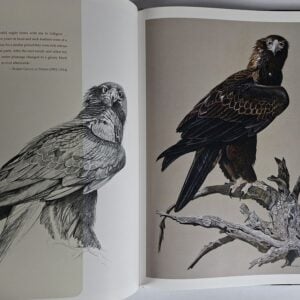

Spirit of the Wedge-Tailed Eagle: The Art of Humphrey Price-Jones
Read MoreHumphrey Price-Jones; Penny Olsen
Melbourne: CSIRO Publishing, 2007.With text by Penny Olsen.
-
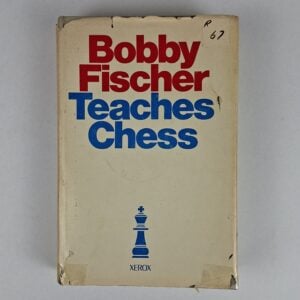
Bobby Fischer Teaches Chess
AU$60 Read MoreAdd to cartBobby Fischer
Stamford: Xerox, 1966. -
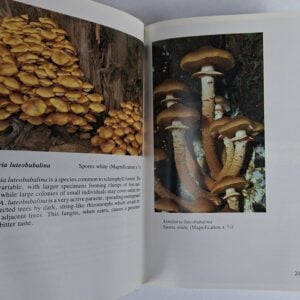

A Field Companion to Australian Fungi
AU$30 Read MoreAdd to cartBruce Fuhrer
Melbourne: The Five Mile Press, 1985. -

Barambah Pottery, 1969 -1987
Read MoreRation Shed Museum
Cherbourg: Ration Shed Museum, 2017.Companion book to an exhibition at the State Library of Queensland of the pottery studio based in the Aboriginal settlement of Cherbourg, Queensland.
-
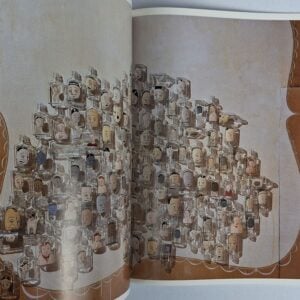

The Buddy System
AU$100 Read MoreAdd to cartBarry McGee
New York: Deitch Projects, 1999.Catalogue for a gallery exhibition for street artist Barry McGee AKA Twist. Includes numerous blank pages for hand-embellishment.
-
Unloveable
AU$100 Read MoreAdd to cartKai Regan
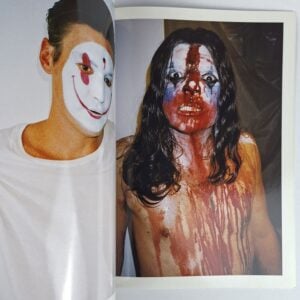
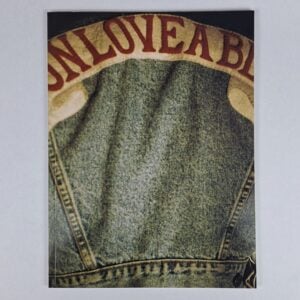
New York: O. H. W. O. W., 2008.Photobook by American photographer Kai Regan of early 2000s NYC art scene.
-

Sweat, Tears & Blood Red Opal
AU$80 Read MoreAdd to cartRon McKenzie
Winton: Ron McKenzie, 2000.“A true Australian Bush Story about – Station Runs – Mail Routes – Opal Mines and The Pioneering Folk around the Mining District of Opalton.” This copy signed by McKenzie and with the inkstamp of the local distributor in Winton, Searle’s.
-

A Pilgrim Soldier: The Life and Times of A E Cocksedge
Read MoreAlfred Edgar Cocksedge; Simon Cocksedge
: Simon Cocksedge, 2001.Biography of Alfred Edgar Cocksedge compiled from his own writings by Simon Cocksedge. An English soldier in the 5th Mahratta Light Infantry, Indian Army, after the war he settled in Brisbane, Queensland. This copy inscribed by Simon on behalf of the family. Unrecorded in Trove or OCLC.
-

People Think I’m Cool: The Life and Art of Pane
AU$100 Read MoreAdd to cartStefano Pane Monfeli
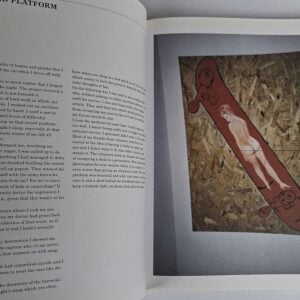
Bologna: Damiani, 2011.Autobiographical art monograph by the Italian street artist.
-
Mostly Murder
AU$50 Read MoreAdd to cartHugh Mac Master
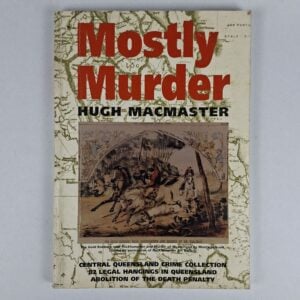
Rockhampton: Hugh Mac Master, 1999.Central Queensland crime collection. 82 legal hangings in Queensland. Abolition of the death penalty.
-

Cornish Beam Engines in South Australian Mines
AU$50 Read MoreAdd to cartG. J. Drew; J. E. Connell
Adelaide: Department of Mines and Energy, South Australia, 1993.History and development of steam powered mining in South Australia. This copy signed by both authors.
-

Languages of Kinship in Aboriginal Australia
Read MoreJeffrey Heath; Francesca Merlan; Alan Rumsey
Sydney: University of Sydney, 1982.Oceania Linguistic Monographs No. 24.
-

A History of Anaesthesia through Postage Stamps
Read MoreAlistair McKenzie
Edinburgh: Maclean Dubois, 2000.This copy inscribed by the author and by John Pearn to Queensland anaesthetist Mervyn Cobcroft.
-
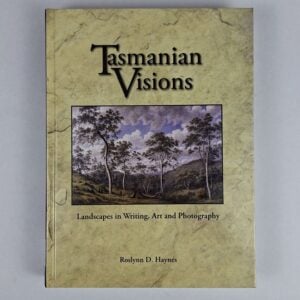
Tasmanian Visions: Landscapes in Writing, Art and Photography
AU$50 Read MoreAdd to cartRoslynn D. Haynes
Hobart: Polymath Press, 2006. -
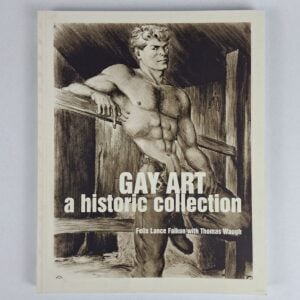
Gay Art: A Historic Collection
AU$150 Read MoreAdd to cartFelix Lance Falkon; Thomas Waugh
Vancouver: Arsenal Pulp Press, 2006.New edition of one of the first anthologies of gay art, A Historic Collection of Gay Art (Greenleaf Editions, 1972). Includes Tom of Finland, Graewolf, Blade, Harry Bush, and many others. Prefaces by Don Gilmore (1972) and Felix Lance Falkon (2006); Forewords by G. G. Stoctay (1972) and Earl Kemp (2006); and Introductions by Felix Lance Falkon (1972) and Thomas Waugh (2006). Published “in the hopes that their personal lives will become more sexually enlightened, enriched and educated, A historic collection of gay art is dedicated to those adults who desire sexually explicit material for their private use in the privacy of their own homes” (from the first edition preface)
-
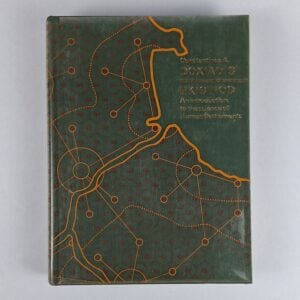
Ekistics: An Introduction to the Science of Human Settlements
AU$100 Read MoreAdd to cartConstantinos A. Doxiadis
London: Hutchinson, 1971.The Greek architect-planner’s magnum opus on his futurist conceptual framework for the maximal development of human settlements.
-
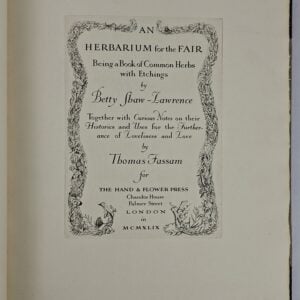

An Herbarium for the Fair: Being a Book of Common Herbs with Etchings
AU$500 Read MoreAdd to cartBetty Shaw-Lawrence; Thomas Fassam
London: The Hand & Flower Press, 1949.Together with Curious Notes on their Histories and Uses for the Furtherance of Loveliness and Love (such as for Taking Away Hair, Bettering the Breasts, the Ease of Sighings, Making a Person Chaste, Loth to Love, and Turning a Person’s Head). One of 250 numbered copies (from a total edition of 260), signed by Fassam, each of the 20 plates signed by the artist.