
Prices in AUD. Free Australian delivery for orders over $400. Free international delivery for orders over $800. Read full terms.
Showing all 37 resultsSorted by latest
-
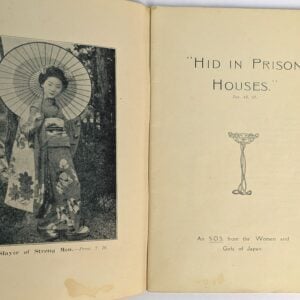
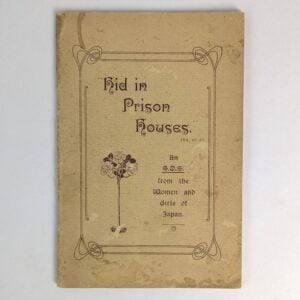
Hid in Prison Houses. An S.O.S. from the Women and Girls of Japan
AU$300 Read MoreAdd to cartJapan Rescue Mission
Birkenhead: Japan Rescue Mission, No date.Anti-prostitution fundraising pamphlet issued by the Japan Rescue Mission, founded in 1920 by Christine Penrod, formerly superintendent of the W.C.T.U.’s rescue home at Okubo, Tokyo. The Mission opened its own home in Tokyo the same year, supported by prayer bands in England, Australia, Africa and the United States (The Christian Movement in Japan, Korea and Formosa, 1923, p. 373). This copy carries a typescript imprint directing enquiries and donations to the Brisbane lay preacher William James Tunley, 228 Albert Street, evidence of the Mission’s fundraising network extending to Queensland. A single institutional holding recorded in OCLC, at the British Library.
-
1241/2004
AU$50 Read MoreAdd to cartYuko Shindo
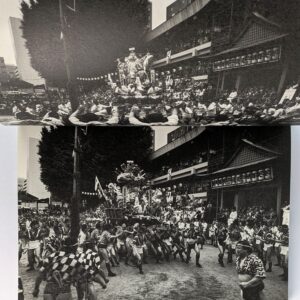
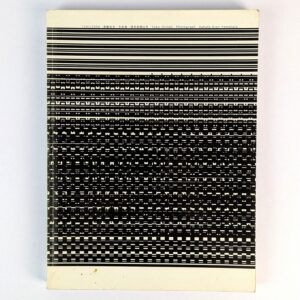
[Fukuoka]: Shindo Yuko Studio Inc, 2004.Photo book of the 2004 Hakata Gion Yamakasa by local Japanese photographer Shindo Yuko. This copy signed by the photographer.
-
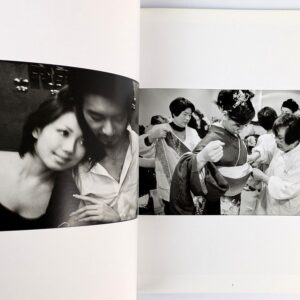
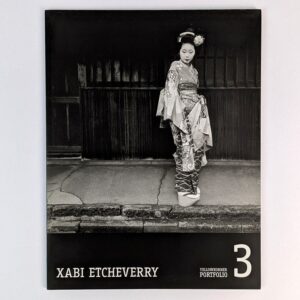
YellowKorner Portfolio 3: Xabi Etcheverry
AU$60 Read MoreAdd to cartXabi Etcheverry
: YellowKorner, 2011.Photobook of works by Xabi Etcheverry from his years in Japan.
-
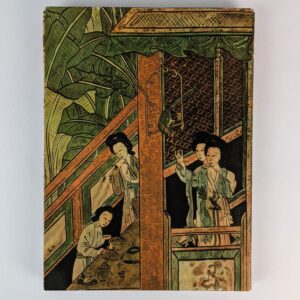
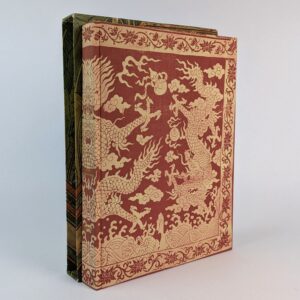
El arte de los antiguos y de los primitivos: Asia anterior – India – Indochina – Tibet – China – Japon – Los tchuktches
AU$150 Read MoreAdd to cartW. y B. Forman
Mexico: Editorial Hermes, 1963.The art of the ancients and primitives: Anterior Asia – India – Indochina – Tibet – China – Japan – The Tchutches.
-
Oiran
AU$400 Read MoreAdd to cartTetsuji Takechi
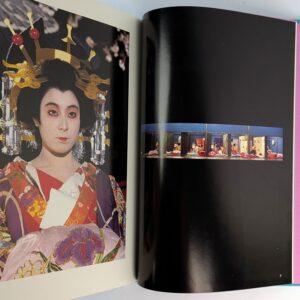
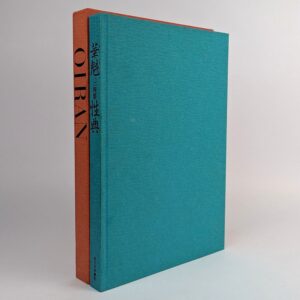
Tokyo: Tokyo Academy of Arts, 1983.First edition photobook issued to accompany Takechi Tetsuji’s controversial late-career film Oiran, “A mixture of romance and sex combined with surrealistic horror elements.” The story is loosely based on the work of Jun’ichiro Tanizaki in which a 19th century Japanese prostitute moves to America and her dead lover manifests as a mole on her leg. Takechi was a prominent critic and kabuki director before moving into directing films in the 1960s. His 1964 feature Hakujitsumu is regarded as the first big budget pink film (Japanese movies with nudity or sexual content), and also the first Japanese production subjected to systematic fogging censorship. The following year, Black Snow (1965), led to his arrest on indecency charges, a landmark case he ultimately won, significantly reshaping Japanese film censorship and opening the way for the flourishing of the pink eiga genre through the late 1960s and 1970s. After a decade-long hiatus from cinema, Takechi returned with a more explicit remake of Hakujitsumu before directing Oiran in 1983. The film again brought him into conflict with the censors whom “edited and fogged in 98 different places, altering the film from a near-hardcore opus to a very soft costume drama.” Takechi promoted the film by proclaiming it featured “the first multicoloured penis in Japanese cinema.” The present photobook, issued uncensored, retains many of the film’s erotic stills and remains an important visual record of Takechi’s work. As usual for the period, explicit male nudity is absent. References: WEISSER: The Sex Films: Japanese Cinema Encyclopedia.
-
Kagawa San: The Christian Prophet of Japan
AU$200 Read MoreAdd to cartMaurice Whitlow
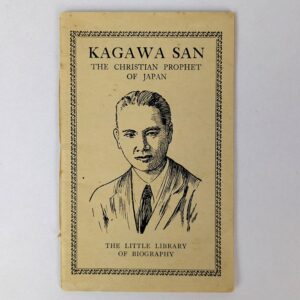
London: The Religious Tract Society, No date.Short biography on the Japanese Evangelical and labour activist, Toyohiko Kagawa (1888-1960). Part of the The Little Library of Biography, c. 1930s.
-
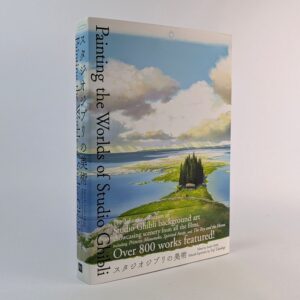
Painting the Worlds of Studio Ghibli
AU$215 Read MoreAdd to cartStudio Ghibli; Yoji Takeshige
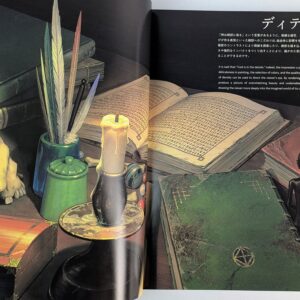
Tokyo: Pie International, 2025.“Featuring more than 800 pieces of background art, this beautiful hardcover is a complete and enduring publication allowing readers to thoroughly enjoy backgrounds from each and every scene of the Ghibli masterpieces. Including art from each of Studio Ghibli’s twenty-seven films, these pages offer a glimpse into techniques that bring depth and life to these cherished cinematic worlds, revealing a mastery of brushwork, colour and perspective. Editorial supervision by Yoji Takeshige. This is a must-have book for fans of Ghibli films and creators involved in the animation industry. Editorial Supervisor: Yoji Takeshige, background artist and art director for many Ghibli films.” (publisher’s blurb)
-
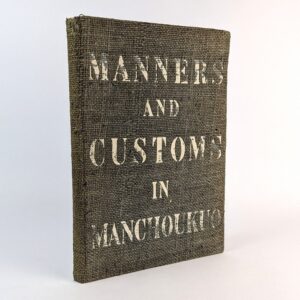
Manners and Customs in Manchoukuo
AU$1,000 Read MoreAdd to cartMasatoshi Kobayashi; Noboru Hidaka
Manchoukuo: The Manchuria Daily News, 1942.A detailed and thoroughly illustrated guide in English to life and culture in Manchuria. Published at the height of WWII, depicting a completely normal world inside the Japanese puppet state with chapters on races and tribes, costumes, residential houses, food and drink, salutation and etiquette, tastes and pastimes, annual festivals, religions, symbols of religious faith, and happy and unhappy affairs.
-
![[Manshu Showa Jugonen: Kuwabara Kineo shashin shu]](https://www.thebookmerchantjenkins.com/wp-content/uploads/0035651-300x300.jpg)
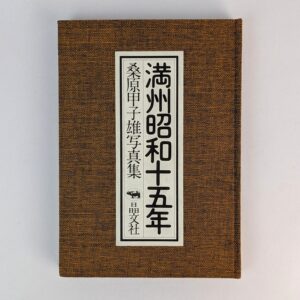
[Manshu Showa Jugonen: Kuwabara Kineo shashin shu]
AU$200 Read MoreAdd to cartKineo Kuwabara
Tokyo: Shobunsha, 1974.Photobook by Japanese photographer Kineo Kuwabara (1913-2007) documenting his trip to Manchuria in 1940.
-
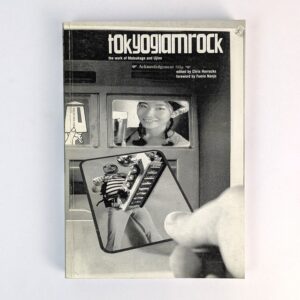
Tokyo GlamRock: The Work of Matsukage and Ujino
AU$40 Read MoreAdd to cartChris Horrocks
: iMMprint, 2002.The art, music and design of the Japanese duo Matsukage and Muneteru Ujino.
-
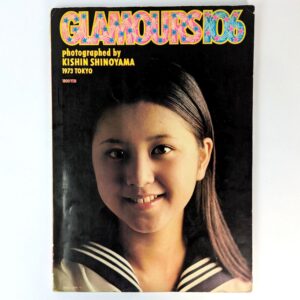
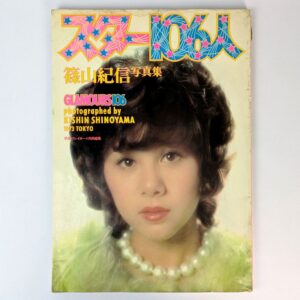
Glamours 106
AU$200 Read MoreAdd to cartKishin Shinoyama
Tokyo: Shueisha, 1973.106 Japanese celebrities captured in a large format photo book. This copy inscribed by Kishin.
-
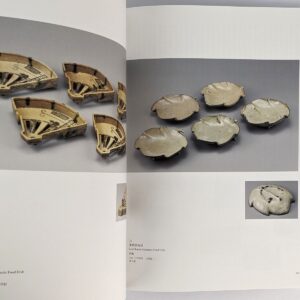
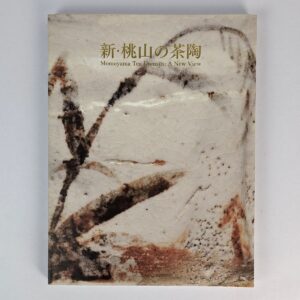
Momoyama Tea Utensils: A New View
AU$100 Read MoreAdd to cartCuratorial Division, Nezu Museum
Tokyo: Nezu Museum, 2018.Catalogue for an exhibition of ceramics from the Momoyama period, and the start of the Edo period.
-
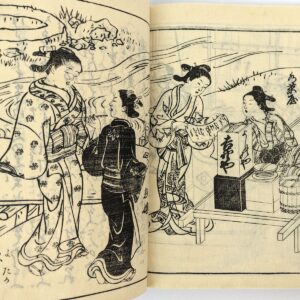
![Hyakunin Joro Shinasadame [One Hundred Women Classified According to Their Rank]](https://www.thebookmerchantjenkins.com/wp-content/uploads/0033662-300x300.jpg)
Hyakunin Joro Shinasadame [One Hundred Women Classified According to Their Rank]
AU$600 Read MoreAdd to cartNishikawa Sukenobu
Kyoto: Unsodo, No date.One of the masterpieces of Ukiyoe art. Depicts women from various social classes of the Edo period, from court and samurai ladies to geisha and sex workers, and the many town and country women in between. Originally published in 2 volumes in 1723 and here reprinted together in 1 volume circa late 19th/early 20th century.
-
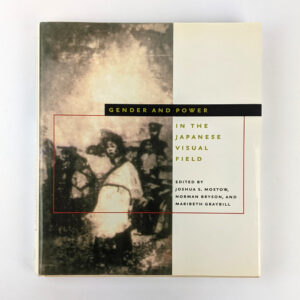
Gender and Power in the Japanese Visual Field
AU$80 Read MoreAdd to cartJoshua S. Mostow; Norman Bryson: Maribeth Graybill
Honolulu: University of Hawai’i Press, 2003. -
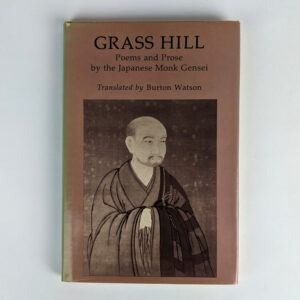
Grass Hill: Poems and Prose by the Japanese Monk Gensei
AU$60 Read MoreAdd to cartBurton Watson
New York: Columbia University Press, 1983.Translations from the Oriental Classics series.
-
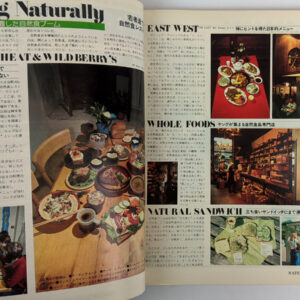
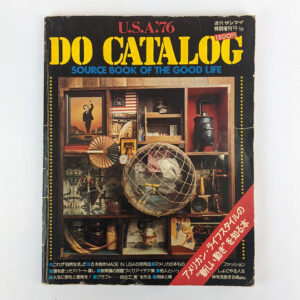
Do Catalog: Source Book of the Good Life (U.S.A. ’76)
AU$150 Read MoreAdd to cartMitsuo Kamiya
[Tokyo]: Sankei Shimbun Publishing Bureau, 1975.Japanese American lifestyle fetish catalogue copiously illustrated throughout with interior design, self sustainable living, crafts, and more. An addition to the library of Japanese American lifestyle fetish catalogs, a contribution to the mid 20th century development of the Japanese fascination with the American way of fashion, design, culture, and capitalism.
-
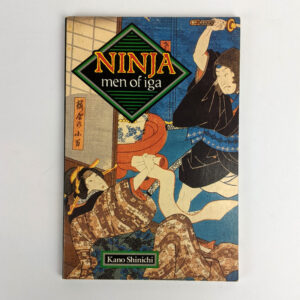
Ninja: Men of Iga
AU$50 Read MoreAdd to cartKano Shinichi
Thousand Oaks: Dragon Books, 1989. -
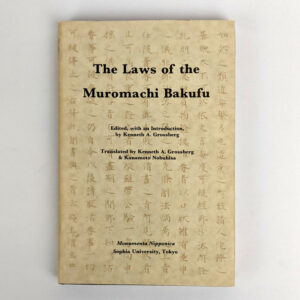
The Laws of the Muromachi Bakufu: Kemmu Shikimoku (1336) & Muromachi Bakufu Tsuikaho
AU$200 Read MoreAdd to cartKanamoto Nobuhisa; Kenneth A. Grossberg
Tokyo: Monument Nipponica, Sophia University, 1981.On the history of constitutional law in Japan, specifically the Muromachi period, once described by historian Sir George Sansom as being an age of “much law and little justice”.
-
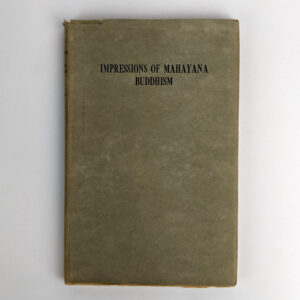
Impressions of Mahayana Buddhism
AU$200 Read MoreAdd to cartBeatrice Erskine Lane Suzuki; Daisetz Teitaro Suzuk
Kyoto and London: The Eastern Buddhist Society and Luzac and Company, 1940.Beatrice Erskine Lane Suzuki (1878-1939) was an American Theosophist and Buddhist scholar. In 1911 she married Daisetz Teitaro Suzuki (D. T. Suzuki), the well known philosopher and Buddhist Scholar who popularized Zen in the west. She wrote extensively on Buddhism and Japanese culture, and following her death her husband compiled this book from her articles in various magazines in Japan, India, England and America.
-
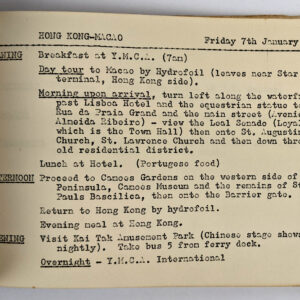
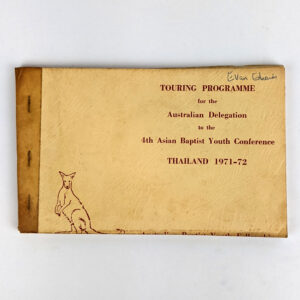
Touring Programme for the Australian Delegation to the 4th Asian Baptist Youth Conference, Thailand 1971-72
AU$60 Read MoreAdd to cartW. L. Hellier
[Canberra]: [Australian Baptist Youth Fellowship], [1971].Roneoed programme for a trip to Indonesia, Singapore, Malaysia, Thailand (where the Youth Conference was held), Hong Kong, Macao, Japan, Taiwan and the Philippines including flights, accommodation, eating arrangements and tours.
-
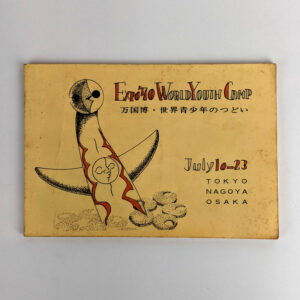
Expo ’70 World Youth Camp, July 10-23: Tokyo, Nagoya, Osaka
AU$150 Read MoreAdd to cartExpo ’70
: EXPO’70 World Youth Camp Organizing Committee; National Council of Youth Organizations in Japan; World Assembly of Youth, 1970.Handbook for Attendees at the World Youth Camp detailing useful information, accommodation, scheduling and tours. Notice in back pocket of the 4th Chief Delegate Meeting. Unrecorded in OCLC or CiNii.
-
Dessin
AU$100 Read MoreAdd to cartKazuo Ohno
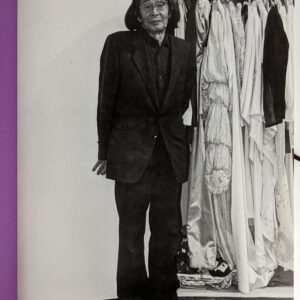
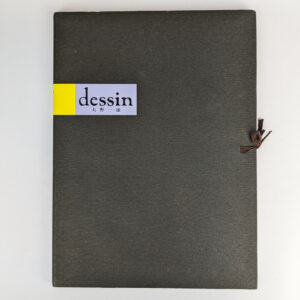
Kushiro: [Ryokugeisha], 1992.Facsmile of writings and drawings from the notebooks of Japanese dancer Kazuo Ohno (1906-2010), one of the founders of Butoh. A 1992 performance poster laid in
-
How to See Kobe
AU$60 Read MoreAdd to cartTourist Association of Hyogo Ken
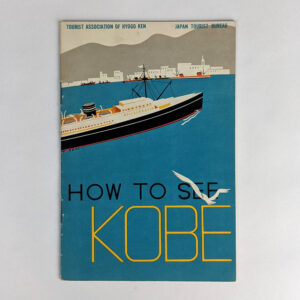
Japan: Tourist Association of Hyogo Ken, 1936.History and sight-seeing places of Kobe, along with suggestions of hotels, shopping, eating and transport. August 1936 issue.
-
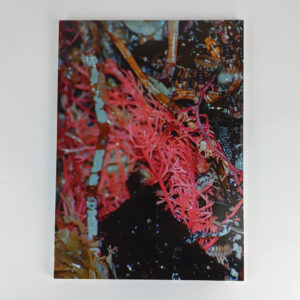
tempete apres tempete
AU$70 Read MoreAdd to cartRebekka Deubner
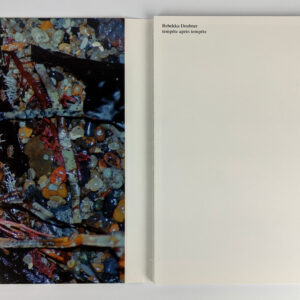
[Ghent]: Art Paper Editions, 2021.“Ive been meeting you through a strip of land, called Fukushima-ken emerging of the Pacific ocean. The scenery I am wandering around is made of water and cells — randomly forming pink-whitish seaweed, shiny epidermis, teeming caves, narrow pupils, raven hair. Shamelessly Im strolling around the offered pieces of the landscape’s body. Hidden behind my telephoto lens, I am gazeating every detail of it, responding to an urge to feel and seize all the shapes emerging from the still fertile breach of a disaster and its offspring. Keiko, Natsumi, Hayato, Hitoshi, Junka, Hisashi and AsamiIf I am lucky, your defense caves in and I’ll get close, collecting scattered pieces of you and soft gestures — a face revolving — a folding hand — lips opening — a winking eyelid — my pictures become the films stills of a slow sequence shot which wasnt filmed. Suggesting the missing images from the in-between, calling out to us to fill the gaps while the nocturnal fauna of the sea is swarming through the seaweed, feeding itself on the leftovers of the wave(s).” (publisher’s blurb)
-
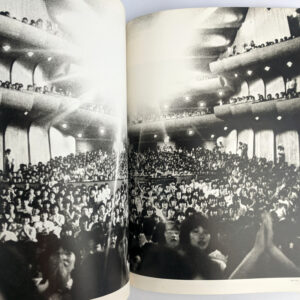
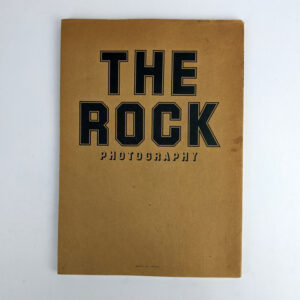
The Rock Photography
AU$165 Read MoreAdd to cartRex R. Kubota; Erica Nakada
Tokyo: Sunday-sha, 1979.Photography of 1970s Japanese rock bands on and off stage. Photographs by Masakazu Sakomizu, George Ide, Takumi Uchida, Kenji Suzuki, and Nobuhiro Sakagami. Rare, unrecorded in OCLC at January 2022.
-
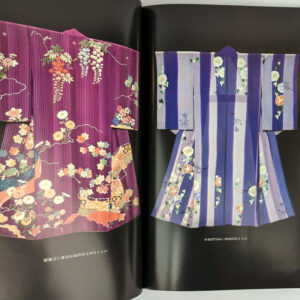
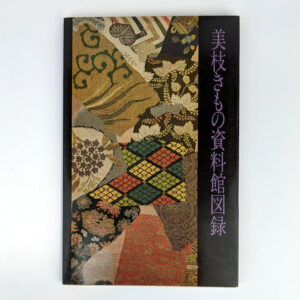
Mie Kimono Shiryokan Zuroku
AU$55 Read MoreAdd to cartUeda Mie
Tokyo: Mie Kimono Shiryokan, 1983.Catalogue of kimono designs.
-
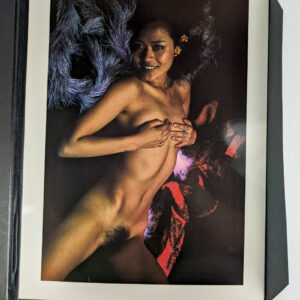
![Hana nareba: Razo / [If It Becomes a Flower: Naked Statue]](https://www.thebookmerchantjenkins.com/wp-content/uploads/0020001-300x300.jpg)
Hana nareba: Razo / [If It Becomes a Flower: Naked Statue]
AU$200 Read MoreAdd to cartShoji Otake
Tokyo: Nihon Geijutsu Shuppansha, 1985.Portfolio of eight nude photographs by Japanese photographer Shoji Otake (1920-2015).
-
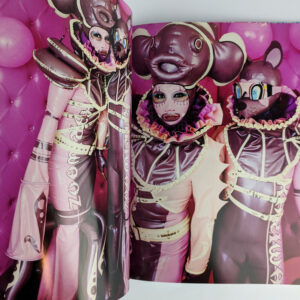
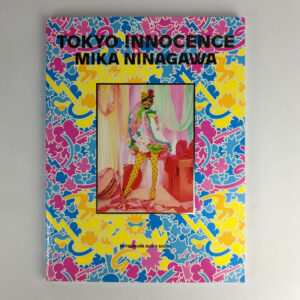
Tokyo Innocence
AU$45 Read MoreAdd to cartMika Ninagawa
Kyoto: Mitsumura Suiko Shoin, 2013.Photographic portraiture of colourful Tokyo subcultures.
-
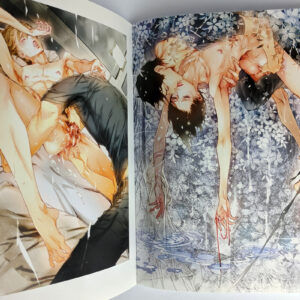
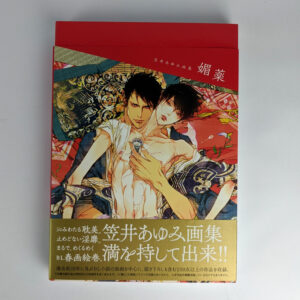
Aphrodisiacs: The World of Ayumi Kasai
AU$75 Read MoreAdd to cartAyumi Kasai
Tokyo: PIE International, 2021.“Ayumi Kasai is a pioneer and one of the most popular artists in the genre of yaoi, or Boys Love. This book contains illustrations from Kasai’s yaoi novels over the past 10 years, as well as her original work in the “Dannahan to Chiwagenka (The Husband & Lovers Fight)” series and a selection of illustrations specially drawn for the publication. On every page you can enjoy Kasai’s world of aestheticbeauty and eroticism. Contains explicit sexual scenes.” (publisher’s blurb)
-
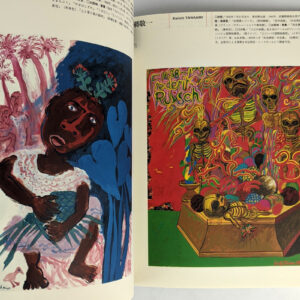
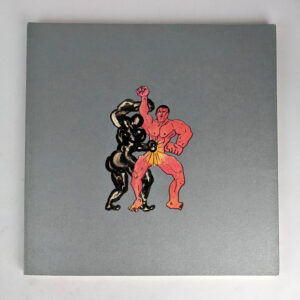
Tokyo Illustrators Society: The 1st Exhibition
AU$55 Read MoreAdd to cartTokyo Illustrators Society
Tokyo: Tokyo Illustrators Society, 1989.Catalogue for the first Tokyo Illustrators Society exhibition. Includes work by 73 Japanese artists including Akira Uno, Hajime Sorayama, Toshio Saeki, and many others, with accompanying short biography and portrait photograph. Includes list of artists with contact details. Rare, unrecorded in OCLC, 1 in CiNii.
-
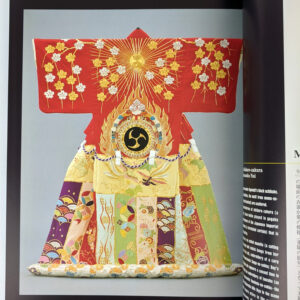
An Exhibition of Kabuki Stage Costumes
AU$50 Read MoreAdd to cartShochiku; Tetsuya Okazaki
Tokyo: Shochiku, 1998. -
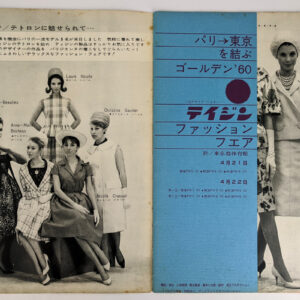
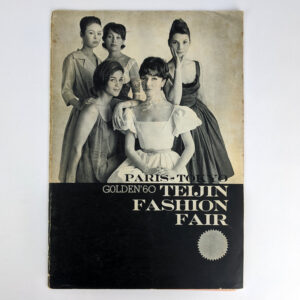
Paris-Tokyo Golden’60 Teijin Fashion Fair
AU$50 Read MoreAdd to cartTeijin
Tokyo: Teijin, 1960.Program for a 1960s fashion show in Tokyo featuring Parisian models Nicole Crassat, Chrstine Saunier, Laure Nicole, Anne-Marie Bocheux, and Marianne Leroy-Beaulieu. Rare, unrecorded in OCLC or CiNii.
-
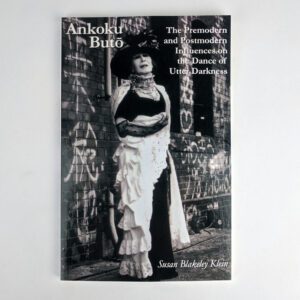
Ankoku Buto: The Premodern and Postmodern Influence on the Dance of Utter Darkness
AU$25 Read MoreAdd to cartSusan Blakeley Klein
Ithaca: East Asia Program, Cornell University, 1988.“A brief introduction to the history, philosophy, and techniques of the Japanese avant-garde dance movement, Ankoku Buto. Evoking images of grotesque beauty, revelling in the seamy underside of human behavior, Buto dance groups such as Sankai Juku and Dai Rakuda-kan have performed to wide critical and popular acclaim, making Buto one of the most influential new forces in the dance world today. The monograph traces the development of Buto from its birth in the bleak post-war landscape of 1950s Japan, and then addresses the question of Buto as a post-modern phenomenon, before going on to examine the influence of traditional Japanese performance on Buto techniques. The last chapter analyzes a specific dance (Niwa – The Garden) by Muteki-sha, to show how these techniques are used concretely. Includes translations of four essays on Buto by contemporary Japanese dance critics.” (publisher’s blurb)
-
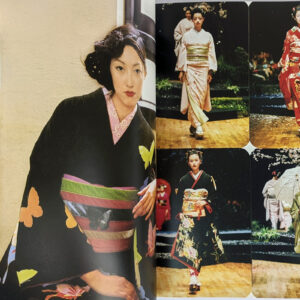
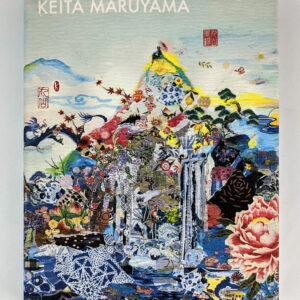
Keita Maruyama / Maruyama Landscape: The 20th Anniversary Book, 1994-2014
AU$150 Read MoreAdd to cartKeita Maruyama
Tokyo: Rikuyosha, 2014.Monograph of Japanese fashion designer Keita Maruyama (1965-). Photography by Ellen Von Unwerth and others.
-
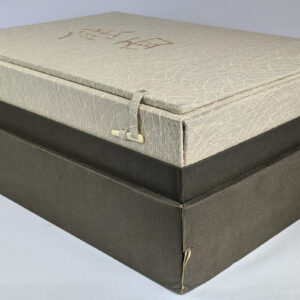
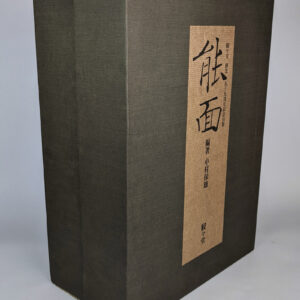
Nomen / Noh Masks
AU$5,500 Read MoreAdd to cartYasuo Nakamura; Naomi Maki
Kyoto: Shinshindo, 1979.A beautifully presented collection of masks used in the classical Japanese dance-drama Noh. Each plate, photographed by Naomi Maki, is mounted in an individual folder with tissue guard, housed in a portfolio case, and includes an index sheet. An accompanying explanatory volume written by Yasuo Nakamura goes into detail on the subject, as well as containing black and white photographs of the reverse sides of the masks. The portfolio and accompanying volume are housed inside of another cloth clamshell with two bone clasps, which in turn is housed in another box. Yasuo Nakamura (1919-1996) was a Japanese high school teacher, junior college professor, and Noh scholar, producing numerous works on the subject from the 1960s until his death. His scholarship on this collection of masks earned him the Geijutsu Sensho Prize from The Agency for Cultural Affairs.
-
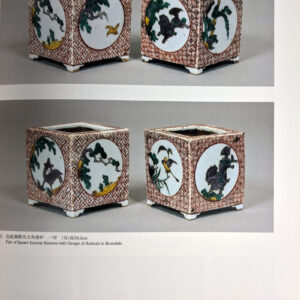
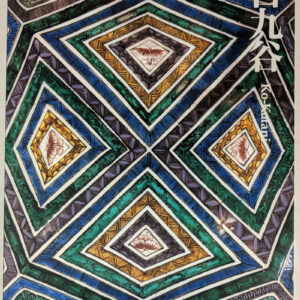
Ko-Kutani
AU$150 Read MoreAdd to cartIdemitsu Museum of Arts
Tokyo: Idemitsu Museum of Arts, 2004.A detailed catalogue of Ko-Kutani Japanese porcelain from the Idemitsu Museum of Arts collection. Primarily photographs, most of the text is in Japanese with some captions bearing English translation and an essay in English at the rear.
-
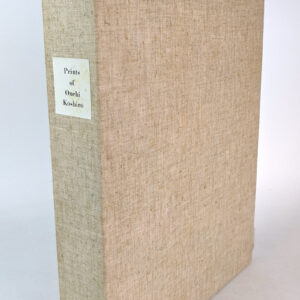
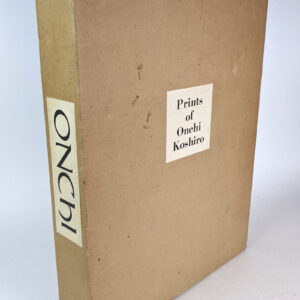
Onchi Koshiro hangashu / Prints of Onchi Koshiro
AU$1,200 Read MoreAdd to cartOnchi Koshiro
Tokyo: Keishosha, 1975.A comprehensive collection of the printed works of Japanese artist Koshiro Onchi (1891-1955). Contains 424 illustrations, many in colour, a numbered original print, photograph of the artist, and various essays including an essay on Hanga by Onchi. This copy is number 27 in the limited overseas edition of 170 with the original numbered and stamped print. 380 copies were also produced in a domestic edition.