
Prices in AUD. Free Australian delivery for orders over $400. Free international delivery for orders over $800. Read full terms.
Showing all 13 resultsSorted by latest
-

The Passion of Gengoroh Tagame: Master of Gay Erotic Manga
AU$300 Read MoreAdd to cartGengoroh Tagame; Anne Ishii; Chip Kidd; Graham Kolbeins
Berlin: Bruno Gmunder, 2016.Expanded with sixteen colour illustrations. This omnibus edition contains ten English translations of Tagame’s gay BDSM short stories. Introduction by Edmund White. Essays by Chip Kidd and Graham Kolbeins. Edited by Anne Ishii.
-
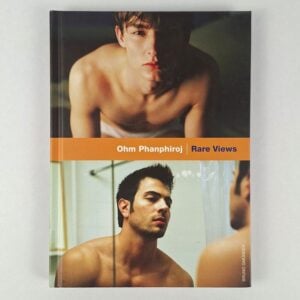
Rare Views
AU$100 Read MoreAdd to cartOhm Phanphiroj
Berlin: Bruno Gmunder, 2006.Second in Phanphiroj’s trilogy of male photographic erotica for Bruno Gmunder, following Rough Stuff (2004) and preceding Nighthawks (2007). Colour photographs of young men in domestic interiors.
-
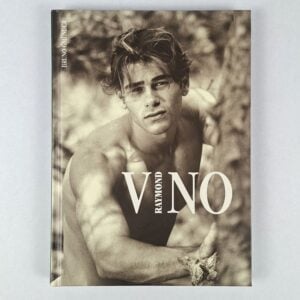
Photographs
AU$50 Read MoreAdd to cartRaymond Vino
Berlin: Bruno Gmunder, 2000.Homoerotic portrait photography.
-
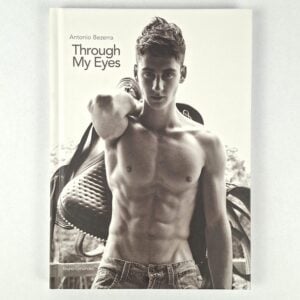
Through My Eyes
AU$100 Read MoreAdd to cartAntonio Bezerra
Berlin: Bruno Gmunder, 2010.Male portrait photography, mostly swim or underwear.
-

Loving Brian
AU$100 Read MoreAdd to cartHoward Roffman
Berlin: Bruno Gmunder, 2005.A series of photosequences of a young gay man’s early homosexual encounters.
-
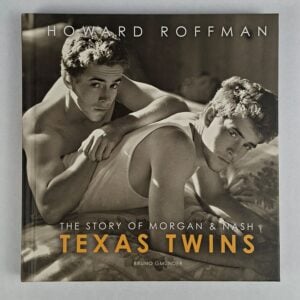
Texas Twins: The Story of Morgan & Nash
AU$80 Read MoreAdd to cartHoward Roffman
Berlin: Bruno Gmunder, 2007.Photobook of identical twin brothers Morgan and Nash.
-

Turnon Muscles: Masses of Male Flesh
AU$200 Read MoreAdd to cartStephan Niederwieser
Berlin: Bruno Gmunder, 2012.Anthology of well built naked men featuring photographs by Mark Henderson, Cameron Frost, Ferge Forcet, Andre DeLoach, Tom Cullis, Joan Crisol, Peter Arnold, Blade T. Bannon, Norbert Benike, Tom Bianchi, Louis Daniel Botha, Lage Carlson, Kent Taylor, Michael Stokes, Allan Spiers, JP. Santamaria, Hot House, InkedKenny, JAIF, Louis LaSalle, Pat Lee, Henry Lex, Ron Lloyd, Jonno London, Denis Maslennikov, Dick Mitchell, Byron Motley, Muscle Hunks, Ed Olen, Jeff Palmer, Troy Phillips, Tim Ricks, Dylan Rosser, and Akimitsu Sadoi.
-
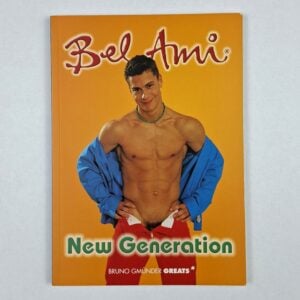
Bel Ami: New Generation
AU$100 Read MoreAdd to cartGeorge Duroy
Berlin: Bruno Gmunder, 2008.BelAmi is a gay pornographic film studio founded in 1993 by the Slovak filmmaker George Duroy, whose pseudonym was taken from the protagonist of Guy de Maupassant’s novel Bel-Ami. Established in the years following the collapse of the Eastern Bloc, the studio became closely associated with performers from Central and Eastern Europe, particularly the Czech Republic, Slovakia, and Hungary, presenting an idealised image of youthful masculine beauty and helping to define the archetype of the Euro-twink in contemporary gay erotica. BelAmi distinguished itself through a polished and often narrative-driven style of filmmaking. Rather than relying solely on a succession of scenes, many productions incorporated simple storylines, characterisation, and location shooting in rural, coastal, and historic European settings, lending the films a degree of atmosphere unusual within the genre at the time. The same aesthetic informed the studio’s extensive publishing programme, including calendars and photobooks produced with Bruno Gmunder Verlag. These publications, combining portraiture, travel imagery, and erotic photography, are striking examples of late twentieth- and early twenty-first-century gay visual culture.
-
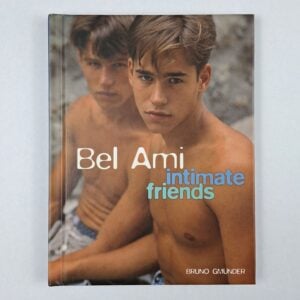
Bel Ami: Intimate Friends
AU$100 Read MoreAdd to cartGeorge Duroy
Berlin: Bruno Gmunder, 2001.BelAmi is a gay pornographic film studio founded in 1993 by the Slovak filmmaker George Duroy, whose pseudonym was taken from the protagonist of Guy de Maupassant’s novel Bel-Ami. Established in the years following the collapse of the Eastern Bloc, the studio became closely associated with performers from Central and Eastern Europe, particularly the Czech Republic, Slovakia, and Hungary, presenting an idealised image of youthful masculine beauty and helping to define the archetype of the Euro-twink in contemporary gay erotica. BelAmi distinguished itself through a polished and often narrative-driven style of filmmaking. Rather than relying solely on a succession of scenes, many productions incorporated simple storylines, characterisation, and location shooting in rural, coastal, and historic European settings, lending the films a degree of atmosphere unusual within the genre at the time. The same aesthetic informed the studio’s extensive publishing programme, including calendars and photobooks produced with Bruno Gmunder Verlag. These publications, combining portraiture, travel imagery, and erotic photography, are striking examples of late twentieth- and early twenty-first-century gay visual culture.
-

All Players
AU$600 Read MoreAdd to cartRick Day
Berlin: Bruno Gmunder, 2012.Large-format photobook of male nudes. The third and concluding volume in Day’s Players series, focussed on the athletic male physique in sporting kit, partial undress, and full nudity, combining selected images from the two earlier volumes with new material.
-

Naked
AU$400 Read MoreAdd to cartDylan Rosser
Berlin: Bruno Gmunder, 2011.Male nude photography. Rosser’s final book of new studio nudes before relocating to Ibiza and turning to outdoor shoots.
-
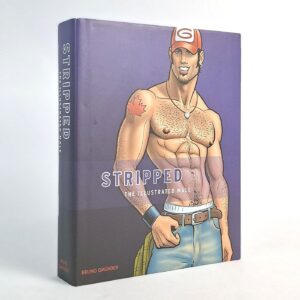
Stripped: The Illustrated Male
AU$150 Read MoreAdd to cartClaus Kiessling; Joris Buiks
Berlin: Bruno Gmunder, 2006.Anthology of contemporary homoerotic art.
-
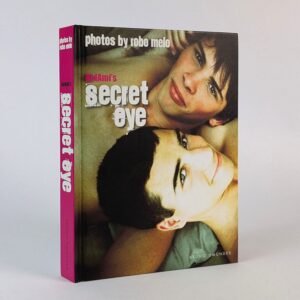
BelAmi’s Secret Eye
AU$150 Read MoreAdd to cartRobo Melo
Berlin: Bruno Gmunder, 2013.BelAmi is a gay pornographic film studio founded in 1993 by the Slovak filmmaker George Duroy, whose pseudonym was taken from the protagonist of Guy de Maupassant’s novel Bel-Ami. Established in the years following the collapse of the Eastern Bloc, the studio became closely associated with performers from Central and Eastern Europe, particularly the Czech Republic, Slovakia, and Hungary, presenting an idealised image of youthful masculine beauty and helping to define the archetype of the Euro-twink in contemporary gay erotica. BelAmi distinguished itself through a polished and often narrative-driven style of filmmaking. Rather than relying solely on a succession of scenes, many productions incorporated simple storylines, characterisation, and location shooting in rural, coastal, and historic European settings, lending the films a degree of atmosphere unusual within the genre at the time. The same aesthetic informed the studio’s extensive publishing programme, including calendars and photobooks produced with Bruno Gmunder Verlag. These publications, combining portraiture, travel imagery, and erotic photography, are striking examples of late twentieth- and early twenty-first-century gay visual culture.