
Prices in AUD. Free Australian delivery for orders over $400. Free international delivery for orders over $800. Read full terms.
Showing 401–500 of 1096 resultsSorted by latest
-
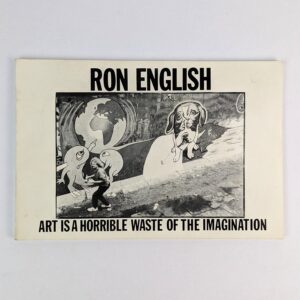
Art is a Horrible Waste of the Imagination
AU$300 Read MoreAdd to cartRon English
New York: English & Eichman, 1988.First published book by the American contemporary artist Ron English (1959-), being a collection of line drawings. The cover photograph by Charles D. Herold shows English painting a street mural. Introduction by Mark Kostabi. Only 1 copy recorded in OCLC, at New York University.
-
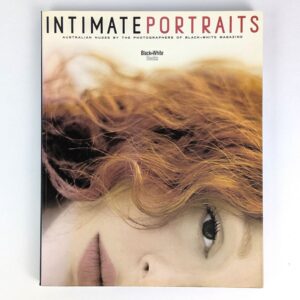
Intimate Portraits: Australian Nudes by the Photographers of Black+White Magazine
AU$40 Read MoreAdd to cartMarcello Grand
Sydney: Studio Magazines, 2005.A special issue of Not Only Black + White featuring nude portraiture of Australians with everyday careers. Published between 1992 and 2007 Black+White was a coffee table format magazine which featured work from some of the world’s top photographers, often nude or semi-nude portraiture, together with interviews with photographers and celebrities and articles on popular culture and current events.
-
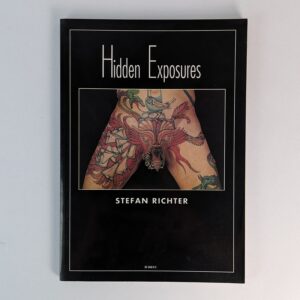
Hidden Exposures
AU$100 Read MoreAdd to cartStefan Richter
Dordrecht: De Vaar BV, 1994.A graphic collection of full-colour photographs depicting tattoos and genital piercings, with a foreword by the photographer.
-
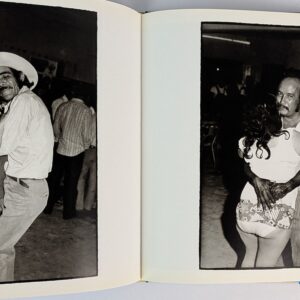

Boystown: La Zona de Tolerancia
AU$200 Read MoreAdd to cartBill Wittliff
New York: Aperture Foundation, 2000.Photo essay of the brothels along the border of Texas and Mexico collected and edited by Bill Wittliff. With essays by Keith Carter, Dave Hickey, and Cristina Pacheco.
-

Yoga in Daily Life: The System
AU$65 Read MoreAdd to cartParamhans Swami Maheshwarananda
Vienna: Ibera, 2005. -
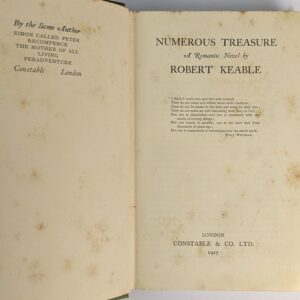
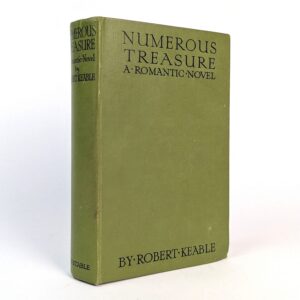
Numerous Treasure: A Romantic Novel
AU$80 Read MoreAdd to cartRobert Keable
London: Constable & Co., 1925.Romance novel set in the Pacific after the author’s relocation to Tahiti. The final page provides a brief glossary of local terms, and the recipe for the absinthe based Numerous Treasure Cocktail.
-
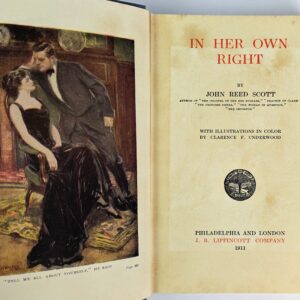
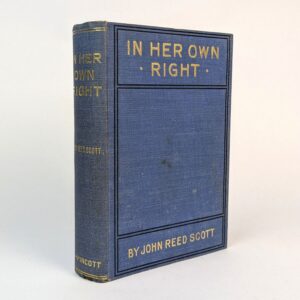
In Her Own Right
AU$50 Read MoreAdd to cartJohn Reed Scott
Philadelphia and London: J. B. Lippincott Company, 1911.Romance novel with 3 colour illustrations by Clarence F. Underwood.
-
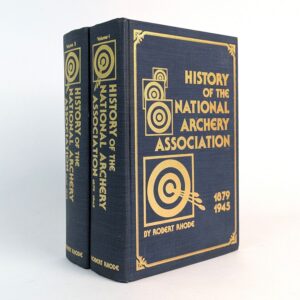
History of the National Archery Association of the United States of America, 1879-1978 (2 Volumes)
AU$200 Read MoreAdd to cartRobert J. Rhode
Grayling: Robert J. Rhode, 1978.Each volume one of 1,000 signed and numbered copies.
-

The Wrightson List: of Aboriginal Folk Figures
AU$200 Read MoreAdd to cartPatricia Wrightson; Peter Wrightson
Sydney: Random House, 1998.Reference work on the sources of the characters and mythology Wrightson used in her children’s stories.
-
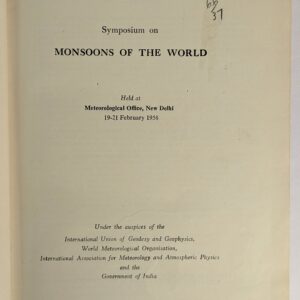
Symposium on Monsoons of the World
AU$100 Read MoreAdd to cartInternational Union of Geodesy and Geophysics; et al.
New Delhi: HIND Union Press, 1960.Held at Meteorological Office, New Delhi, 19-21 February 1958. Under the auspices of the International Union of Geodesy and Geophysics, World Meteorological Organisation, International Association for Meterology and Atmospheric Physics and the Government of India
-
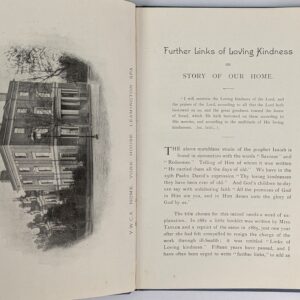
Further Links of Loving Kindness; or, Story of Our Home
AU$150 Read MoreAdd to cartC. S. Bagster
Leamington Spa: W. H. Smith, No date.A Record of Twenty-Five Years of Happy Service in Connection with Y.W.C.A. Home, Leamington Spa. Early history (late 19th century) of the Young Women’s Christian Association House in the English town of Royal Leamington Spa.
-
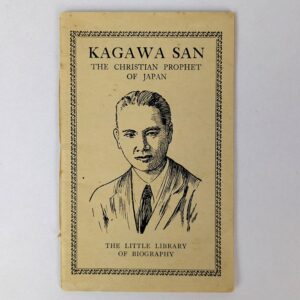
Kagawa San: The Christian Prophet of Japan
AU$200 Read MoreAdd to cartMaurice Whitlow
London: The Religious Tract Society, No date.Short biography on the Japanese Evangelical and labour activist, Toyohiko Kagawa (1888-1960). Part of the The Little Library of Biography, c. 1930s.
-
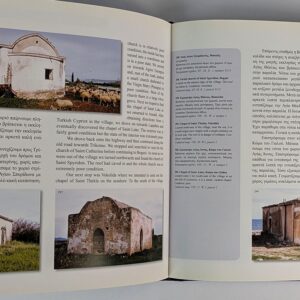
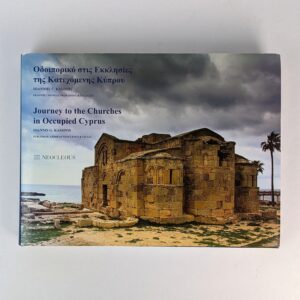
Journey to the Churches in Occupied Cyprus
AU$150 Read MoreAdd to cartIoannis G. Kassinis
Limassol: Neocleous, 2011. -
Studies in the Lankavatara Sutra
AU$30 Read MoreAdd to cartD. T. Suzuki
New Delhi: Munshiram Manoharlal Publishers, 2007.One of the most important texts of Mahayana Buddhism, in which almost all its principal tenets are presented, including the teaching of Zen.
-
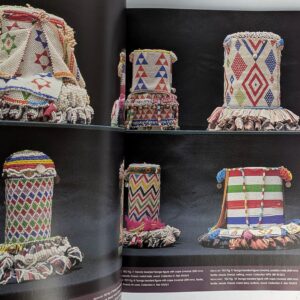
Evocations of the Child: Fertility Figures of the Southern African Region
AU$40 Read MoreAdd to cartElizabeth Dell
Cape Town: Human & Rousseau, 1998. -
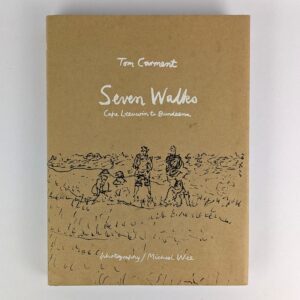
Seven Walks: Cape Leeuwin to Bundeena
AU$40 Read MoreAdd to cartTom Carment; Michael Wee
Casino: Roc-Hin, 2014.Documents seven long distance walks in Australia: The Overland Track (Cradle Mountain, Tasmania). The Blue Gum Forest (New South Wales), Otford to Bundeena (New South Wales), Cape Leeuwin to Cape Naturaliste (Western Australia), The Heysen Trail (South Australia), The Snowy Mountains (New South Wales, and Wilsons Promontory (Victoria).
-
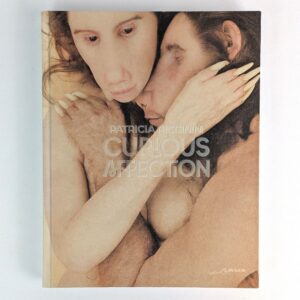
Patricia Piccinini: Curious Affection
AU$40 Read MoreAdd to cartPatricia Piccinini; Peter McKay; Rosie Braidotti; Elizabeth Finkel; China Mieville
Brisbane: Queensland Art Gallery, 2018.Catalogue from the exhibition at GOMA, Brisbane, 24 March – 5 August 2018, with essays on the artist’s work. Arts Minister’s message by Leeanne Enoch. Foreword by Chris Saines.
-

Sawdust and Primitive Firing
AU$30 Read MoreAdd to cartSue Moore; Terry Wright; Hildegard Anstice; Beverley Dunphy
Sydney: The Ceramic Study Group, No date. -
Experiments in Sex
AU$50 Read MoreAdd to cartGene North
North Hollywood: Dominion Publishing Company, 1969.Pseudo-sexological sexual discovery.
-
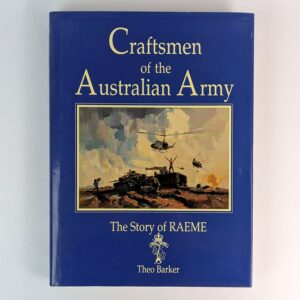
Craftsmen of the Australian Army: The Story of RAEME
AU$300 Read MoreAdd to cartTheo Barker
Bathurst: Crawford House Press, 1992.History of the Corps of Royal Australian Electrical and Mechanical Engineers.
-
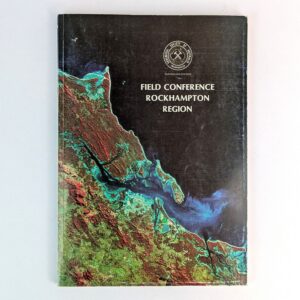
1989 Field Conference: Rockhampton Region
AU$40 Read MoreAdd to cartW.G. Whitaker
Brisbane: Geological Society of Australia Incorporated, Queensland Division, 1989. -
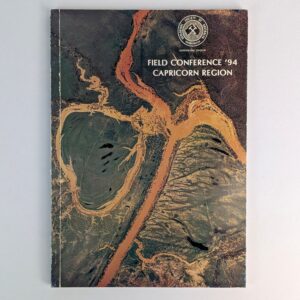
1994 Field Conference: Capricorn Region, Central Coast Queensland
AU$40 Read MoreAdd to cartR. J. Holcombe; C. J. Stevens; C. R. Fielding
Brisbane: Geological Society of Australia Incorporated, Queensland Division, 1994. -
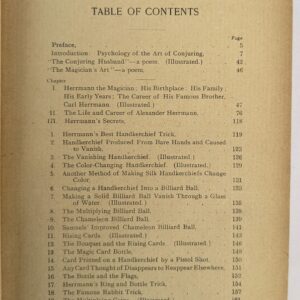
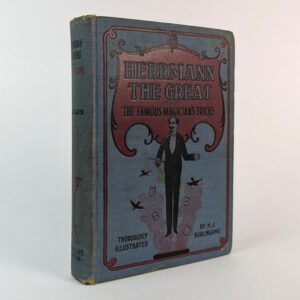
Herrmann the Great: The Famous Magician’s Wonderful Tricks
AU$200 Read MoreAdd to cartH. J. Burlingame
Chicago: Laird & Lee, 1897.The tricks of the 19th century French magician brothers Alexander and Carl Herrmann.
-

Whose Homosexuality? Which Authority? Homosexual Practice, Marriage Ordination and the Church
AU$50 Read MoreAdd to cartBrian Edgar; Gordon Preece
Adelaide: ATF Press, 2006.Interface: A Forum for Theology in the World Vol. 9 Nos 1 & 2. A special double issue of this Australian theology journal focusing on homosexuality with contributions by Bryden Black, David Clarke, Denise Cooper-Clarke, Graham Cole, Keith Dyer, Brian Edgar, Debra Hirsch, Muriel Porter, Gordon Preece, Peter Sherlock, and Mark Thiessen Nation.
-
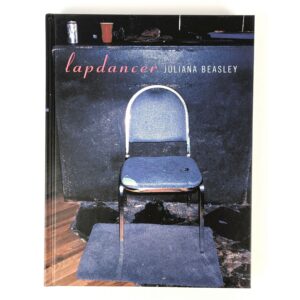
Lapdancer
AU$100 Read MoreAdd to cartJuliana Beasley
New York: powerHouse Books, 2003.“Determined to supplement her meager income as a novice photographer, Juliana Beasley embarked on an eight-year odyssey as a professional nude dancer… From New York to Reno, Beasley worked in over two dozen strip clubs, .. experiencing the rewards and pitfalls of the profession: variable income, flexible schedules, emotional and physical exhaustion, sex industry camaraderie–and an arrest for prostitution. Though she was a professional dancer, Beasley never forgot the purpose of her studies in documentary work. Along with negligees and stilettos, she regularly brought a camera to the clubs, and began recording testimonies from the managers, dancers, and patrons. The result is Lapdancer, an inside look at the world of professional nude dancing.” (publisher’s blurb)
-
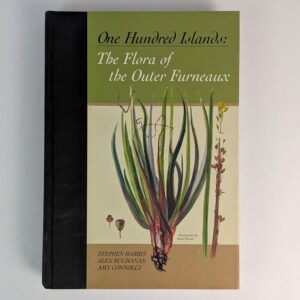
One Hundred Islands: The Flora of the Outer Furneaux
AU$40 Read MoreAdd to cartStephen Harris; Alex Buchanan; Amy Connolly
[Hobart]: Tasmanian Department of Primary Industries, Water and Environment, 2001. -
The Gardeners of Eden
AU$80 Read MoreAdd to cartA. D. Graham
London: George Allen & Unwin, 1973. -
Catalog of the Diptera of the Australasian and Oceanian Regions
AU$80 Read MoreAdd to cartNeal L. Evenhuis
Honolulu: Bishop Museum Press and E. J. Brill, 1989. -
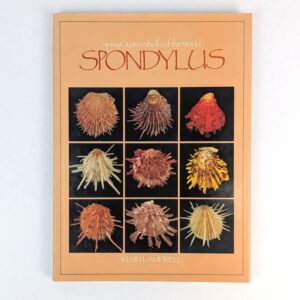
Spondylus: Spiny Oyster Shells of the World
AU$40 Read MoreAdd to cartKevin Lamprell; Thora Whitehead
Bathurst: Robert Brown & Associates, 1986. -
The Mutual Help Group: A Therapeutic Program for Women Who Have Been Abused
AU$40 Read MoreAdd to cartMargaret Condonis; Karen Paroissien; Barbara Aldrich
Sydney: Redfern Legal Centre Publishing, 1990. -
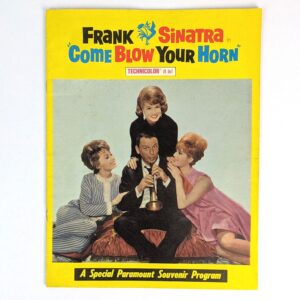
Frank Sinatra in Come Blow Your Horn: A Special Paramount Souvenir Program
AU$40 Read MoreAdd to cartFrank Sinatra
: Paramount Pictures, [1963].Souvenir book for the 1963 film starring Frank Sinatra.
-
The Genera of Fungi: Sporulating in Pure Culture
AU$90 Read MoreAdd to cartJ. A. von Arx
Vaduz: J. Cramer, 1981. -
The Genera of Fungi: Sporulating in Pure Culture
AU$60 Read MoreAdd to cartJ. A. von Arx
Vaduz: J. Cramer, 1974. -
A Monograph of Harknessia and Mastigosporella with notes on associated teleomorphs
AU$50 Read MoreAdd to cartT. R. Nag Raj; Frank DiCosmo
Vaduz: J. Cramer, 1981.Bibliotheca Mycologica Band 80.
-
They All Ran Wild: The Animals and Plants that Plague Australia
AU$80 Read MoreAdd to cartEric C. Rolls
London: Angus & Robertson, 1984.Pests and feral animals, both native and introduced. This copy with a newspaper clipping Rabbit Plan Slammed by Farmers mounted to half-title.
-
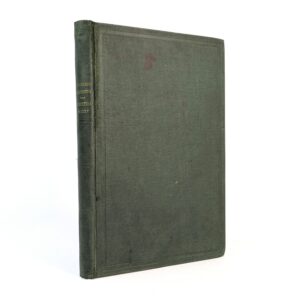
The Natural Principles of Landscape Gardening: or the Adornment of Land for Perpetual Beauty
AU$300 Read MoreAdd to cartJoseph Forsyth Johnson
Belfast: Arches & Sons, [1874].First published work of landscape architect, John Ruskin disciple, and Curator of the Belfast Royal Botanic Gardens Joseph Forsyth Johnson (1840-1906).
-
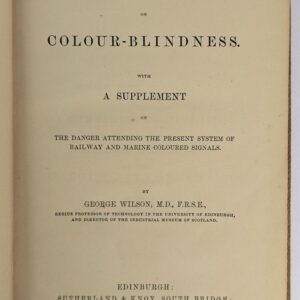
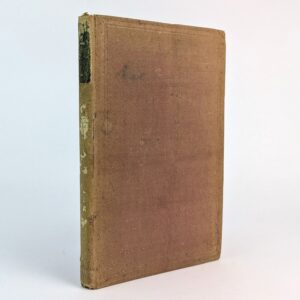
Researches on Colour-Blindness
AU$500 Read MoreAdd to cartGeorge Wilson
Edinburgh: Sutherland & Knox, 1855.With a Supplement on the Danger Attending the Present System of Railway and Marine Coloured Signals. Early work on colour blindness and one of the most important books on the subject which led to testing for colour-blindess in many critical jobs. This copy inscribed by the author to Alexander Russell, Dean of Adelaide and relative by marriage to Wilson, and with an engraved portrait of Wilson mounted to the front pastedown
-
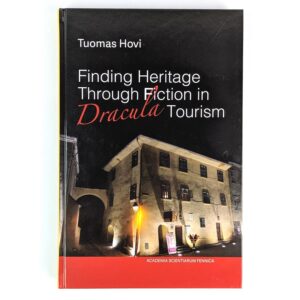
Finding Heritage Through Fiction in Dracula Tourism
AU$65 Read MoreAdd to cartToumas Hovi
Helskinki: Suomalainen Tiedeakatemia, 2016.Heritage and tourism have become inextricably linked. Depending on the view point, the effect of this link can be seen either negative or positive. Does tourism produce inauthentic and falsified tradition, threatening cultural heritage? Or does it, in fact, help to preserve heritage, culture and folklore in a changing and globalizing world? Tuomas Hovi investigates heritage in the context of Dracula tourism in Romania: tourists visiting places connected with either the fictional vampire Dracula or the historical Dracula, Vlad the Impaler, a 15th century Romanian ruler. How is Romanian heritage and culture presented and promoted through a seemingly superficial Dracula tourism based on Western popular fiction in Dracula tourism? Finding Heritage Through Fiction in Dracula Tourism offers new perspectives on the research literate concerning tourism and heritage, and a folkloristic view of tourism research. FF Communications No. 311 published by the Finnish Academy of Science and Letters.
-
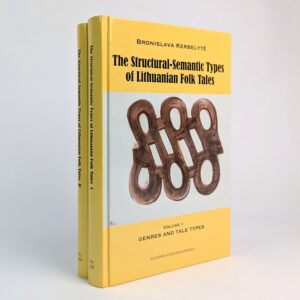
The Structural-Semantic Types of Lithuanian Folk Tales (2 Volumes)
AU$150 Read MoreAdd to cartBronislava Kerbelyte
Helskinki: Suomalainen Tiedeakatemia, 2015.I: Genres and Tale Types. II: The Classification and Index of Elementary Plots and Their Types. The classification system of the types of folk tales published by Antti Aarne in 1910 was a much needed and courageous project. Bronislava Kerbelyte has classified more than 40,000 variants of Lithuanian folk tales according to the international catalogue by Antti Aarne and Stith Thompson (AT). She has concluded that it is necessary to improve the classification system. Kerbelyte has determined elementary plots (EP) as structural elements for narratives and created the structural-semantic method for analysis and description of texts on several levels. The classification of elementary plots and their types contains much information about folk tales and about people. FF Communications No. 308 & 309 published by the Finnish Academy of Science and Letters.
-
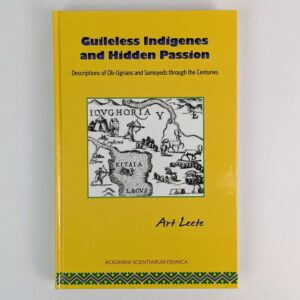
Guileless Indigenes and Hidden Passion: Descriptions of Ob-Ugrians and Smoyeds through the Centuries
AU$80 Read MoreAdd to cartArt Leete
Helskinki: Suomalainen Tiedeakatemia, 2014.This monograph is aimed for discussing the views of the character of the Khanty, Mansi and Nenets by authors of different periods. Changes of general ideas about the inhabitants of the Arctic has had a remarkable, albeit often concealed, role in the development of the research on northern peoples. The author examines the image of northern peoples beginning from ancient Greek and Roman accounts of peoples, medieval sources, modern travel journals and ends up with the analyses of contemporary scholarly writings. The book is an attempt to explore the general background of ideas and the scientific methodology that frames changes in this knowledge about the peoples of the North. The theoretical framework of this monograph is related to the dialogue between modern theories of identity and the historical modes of description. FF Communications No. 306 published by the Finnish Academy of Science and Letters.
-
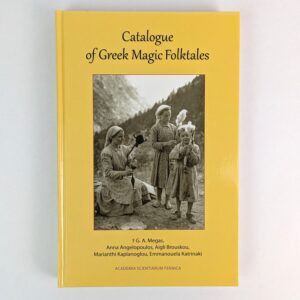
Catalogue of Greek Magic Folktales
AU$80 Read MoreAdd to cartG. A. Megas; Anna Angelopoulos; Aigli Brouskou; Marianthi Kaplanoglou; Emmanouela Katrinaki
Helskinki: Suomalainen Tiedeakatemia, 2012.The collected texts cover a period of more than a century of recordings (from the second half of the nineteenth century up to the mid-1970s) and geographically cover not only the entire Greek territory and Cyprus but also other areas where Greek populations live(d) and Greek cultures thrive(d) (Asia Minor, Pontus, Cappadocia, Southern Italy). Georgios A. Megas drafted the first catalogue, gathering and indexing all published and unpublished Greek folktale versions, so that the number of texts finally exceeded 23 000. A group of specialists continued for nearly 30 years carrying this project, consulting, classifying, and commenting G. Megas’ handwritten card indexes, and finally editing this rich material, scattered in public and private archives. FF Communications No. 303 published by the Finnish Academy of Science and Letters.
-
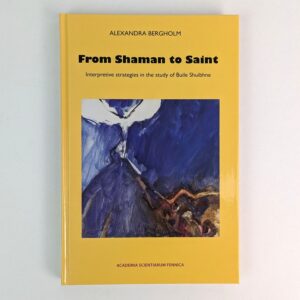
From Shaman to Saint: Interpretive Strategies in the Study of Buile Shuibhne
AU$60 Read MoreAdd to cartAlexandra Bergholm
Helskinki: Suomalainen Tiedeakatemia, 2012.This study charts the ways in which Buile Shuibhne has been interpreted in twentieth-century scholarship, by paying particular attention to the religious allegorical readings of the text. This examination of four prevalent interpretative frameworks ‒ historical, pre-Christian, and anthropological ‒ relates theoretical conceptions of literary theory, comparative religion and historiography to the study of medieval narrative material, by considering the nature of different methodological presuppositions that have guided the scholars’ understanding of the tale’s meaning. The integration of issues relating to text, context, and interpretation raises the issue of communally shared reading strategies in the explication of interpretive variety, thereby highlighting the importance of asking not only what a text means, but also how it means. FF Communications No. 302 published by the Finnish Academy of Science and Letters.
-
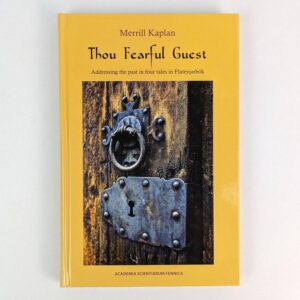
Thou Fearful Guest: Addressing the Past in Four Tales in Flateyjarbok
AU$70 Read MoreAdd to cartMerrill Kaplan
Helskinki: Suomalainen Tiedeakatemia, 2011.A stranger appears at the court of a Norwegian king known best for bringing Christianity to the North. Variations of this scene appear four times in the fourteenth-century manuscript Flateyjarbok. Thou Fearful Guest analyzes how these episodes create meaning by their connections to custom, law, myth, discourses of historical and spiritual truth, typological understandings of time, and the historical context of the manuscript in which they appear. Thou Fearful Guest explores how and to what end medieval Icelanders thought about tales of heathen gods and heroes. FF Communications No. 301 published by the Finnish Academy of Science and Letters.
-

Carl Wilhelm von Sydow: A Swedish Pioneer in Folklore
AU$60 Read MoreAdd to cartNils-Arvid Bringeus
Helskinki: Suomalainen Tiedeakatemia, 2009.Nils-Arvid Bringeus provides a detailed analysis of the founder of folklore research in Sweden, Professor Carl Wilhelm von Sydow (1878-1952). We are introduced to a fascinating personality and able to follow his persevering struggle to gain acceptance for a new academic discipline. Von Sydow took a highly active interest in international cooperation, not least within the field of folktale research. He taught at both Lund and Uppsala universities, establishing a taxonomy within the study of folklore that has been of great importance. FF Communications No. 298 published by the Finnish Academy of Science and Letters.
-
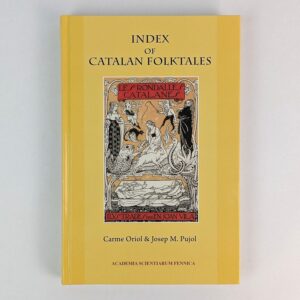
Index of Catalan Folktales
AU$70 Read MoreAdd to cartCarme Oriol; Josep M. Pujol
Helskinki: Suomalainen Tiedeakatemia, 2008.The Catalan language is spoken over a large area divided among four states (Andorra, Spain, France and Italy), with a total population of 13.5 million inhabitants. Catalan culture has a large body of literature as well as a rich and extensive tradition of folklore studies. Catalan folktales were ignored by the Types of the Folktale until the second edition (1961), which included only references to the collection published by Joan Amades (1950). The present Index of Catalan Folktales brings together the work of some seventy collectors working along 150 years and for the first time gives a faithful and complete image of the Catalan contribution to the world´s folklore heritage. FF Communications No. 294 published by the Finnish Academy of Science and Letters.
-

Edige: A Karakalpak Oral Epic as performed by Jumabay Bazarov
AU$80 Read MoreAdd to cartKarl Reichl
Helskinki: Suomalainen Tiedeakatemia, 2007.Edige is one of the most esteemed oral epics of the Karakalpaks, a Turkic-speaking people, who live on the mouth of the Amu Darya and the shores of the Aral Sea. Edige is a historical personage from the time of Timur at the turn of the 14th to the 15th century. The singer, Jumabay Bazarov, was the last Karakalpak singer of heroic epics who stood in an entirely oral tradition. In this edition and translation an attempt has been made to capture as much of his oral performance as possible, including the singer’s dialect features and his musical style. FF Communications No. 289 published by the Finnish Academy of Science and Letters.
-
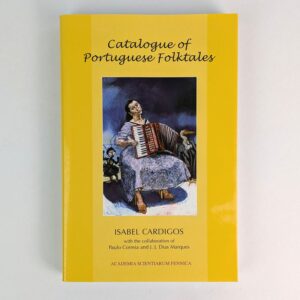
Catalogue of Portuguese Folktales
AU$60 Read MoreAdd to cartIsabel Cardigos; Paul Correia; J. J. Dias Marques
Helskinki: Suomalainen Tiedeakatemia, 2006.In the old Aarne / Thompson, Portugal was virtually non-existent, appearing in the bibliography of just three folktales. In 2003, the author of The Types of International Folktales stretched his hand to the first manuscript of the Catalogue of Portuguese Folktales and included them in 700 types of his own manuscript. The Catalogue of Portuguese Folktales is now the first regional index that takes into account the classifications of the new ‘ATU’. But it displays its difference by electing its own affinities with old ‘AT’ numbers, with regional catalogues, or even by offering new numbers. We can see a new face of the European folktale emerging, with a strong Mediterranean flavour. FF Communications No. 291 published by the Finnish Academy of Science and Letters.
-
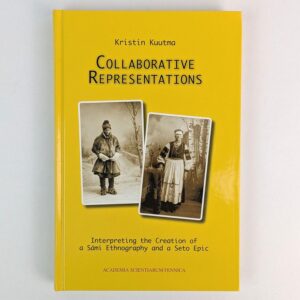
Collaborative Representations: Interpreting the Creation of a Sami Ethnography and a Seto Epic
AU$60 Read MoreAdd to cartKristin Kuutama
Helskinki: Suomalainen Tiedeakatemia, 2006.The focus of this book revolves around two manifestly representative texts from the early twentieth century: Johan Turi’s story of Sami experience Muitalus samiid birra and the Seto epic Peko performed by Anne Vabarna. The current analysis of the complex performative interaction between the culture bearer, his or her repertoire, and the culture researcher benefits from an interdisciplinary anthropological and folkloristic approach, informed by hybridity and the blurring of disciplinary boundaries in historicizing inquiries into cultural documentation and textual practices. FF Communications No. 289 published by the Finnish Academy of Science and Letters.
-
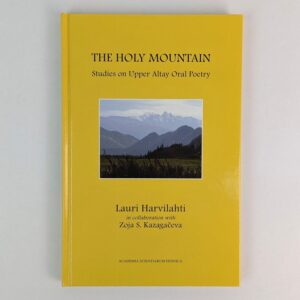
The Holy Mountain: Studies on Upper Altay Oral Poetry
AU$40 Read MoreAdd to cartLauri Harvilahti; Zoja S. Kazagaceva
Helskinki: Suomalainen Tiedeakatemia, 2003.The aim of this study is to achieve a synthesis in forming a new overall view of the stylistic-poetic and structural devices used to produce the archaic mythical and epic cultural tradition of the Upper Altay region. Attention is also being paid to the inherent ethnic nature of the Altaian ethnic groups, to cultural influences and to some extent their present cultural identity. FF Communications No. 282 published by the Finnish Academy of Science and Letters.
-

The Maiden’s Death Song & The Great Wedding: Anne Vabarna’s Oral Twin Epic written down by A. O. Vaisanen
AU$80 Read MoreAdd to cartLauri Honko; Anneli Honko; Paul Hagu
Helskinki: Suomalainen Tiedeakatemia, 2003.For centuries, the eastern shores of the Baltic Sea have nourished poetic cultures developing oral epic traditions that mostly survived in lays of a few hundred lines but that eventually gave rise to much longer traditional epics. The Maiden’s Death Song & The Great Wedding is a manifestation of a long epic format rare in Baltic-Finnish folk poetry and of two alternative storylines. It is also a masterpiece that serves as a reminder of the poetry of a gifted minority culture that tends to be forgotten. FF Communications No. 281 published by the Finnish Academy of Science and Letters.
-
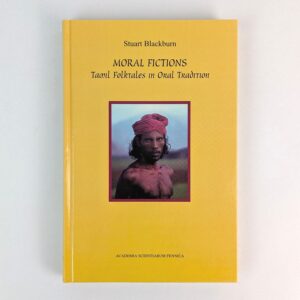
Moral Fictions: Tamil Folktales in Oral Tradition
AU$80 Read MoreAdd to cartStuart Blackburn
Helskinki: Suomalainen Tiedeakatemia, 2001.Is fantasy the defining element in fairy tales? This question is the starting point for Stuart Blackburn’s study of Tamil oral tales. Having collected over 300 tales, 100 of which are translated in this book, he concludes that although fantasy, and humour, are present, at the core of the tales lies a moral vision in which wrongdoing, especially physical cruelty, is punished. Only the second full-length study of Indian tales from oral tradition, this book places the Tamil tradition in an international context, describes the telling sessions and includes tellers’ interpretations of some tales. FF Communications No. 278 published by the Finnish Academy of Science and Letters.
-

The Coon in the Box: A Global Folktale in African-American Tradition
AU$50 Read MoreAdd to cartJohn Minton; David Evans
Helskinki: Suomalainen Tiedeakatemia, 2001.Among the most popular of all African-American folktales is the story folklorists know as The Coon in the Box, itself a derivative of the extremely old and widespread narrative usually identified, after Brothers Grimm, as Doctor Know-All (Doktor Allwissend) (AaTh 1641). Not coincidentally, this item has served as a centerpiece in the debate over the sources of New World black folktales. A detailed analysis of The Coon in the Box, its life history and cultural context thus reveals a great deal not only of the nature of African-American oral narratives in and of themselves, but also of the challenges confronting scholars in investigating the origins, diffusion, and development of these traditions. FF Communications No. 277 published by the Finnish Academy of Science and Letters.
-
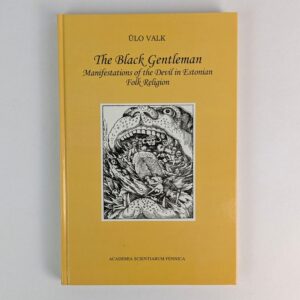
The Black Gentleman: Manifestations of the Devil in Estonian Folk Religion
AU$50 Read MoreAdd to cartUlo Valk
Helskinki: Suomalainen Tiedeakatemia, 2000.This empirical study of the Devil in the collections of the Estonian Folklore Archives, reflecting the world of belief inhabited by the Estonians in the 19th and 20th centuries, is also a book about suspicion and fear in everyday life. It describes how religious folklore has drawn borders between the human and the non-human, how it has modelled the Other, the supernatural and social evil. As a study of folk narrative, and legends in particular, it mainly discusses variation at the level of motif with special reference to the visual guises of the Devil. FF Communications No. 276 published by the Finnish Academy of Science and Letters.
-
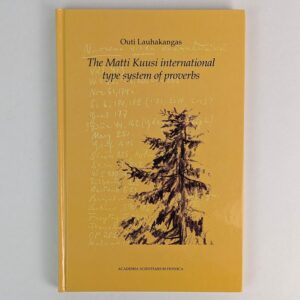
The Matti Kuusi International Type System of Proverbs
AU$40 Read MoreAdd to cartOuti Lauhakangas
Helskinki: Suomalainen Tiedeakatemia, 2000.From 1965 to 1974 Matti Kuusi was editor-in-chief of the famous journal Proverbium and invited proverb scholars to contribute to this forum. During this period he began to keep a card index of literature references to proverb types and made his first experiment in the thematic classification of international proverb materials in the 1970s. This volume is a study of the development of this type system. Outi Lauhakangas attempts to show how her father’s practical dream of a common international reference code came to be realised. The reader will find a list of some 700 global or almost global proverb motifs and can access the database via the website of The Finnish Literature Society. FF Communications No. 275 published by the Finnish Academy of Science and Letters.
-
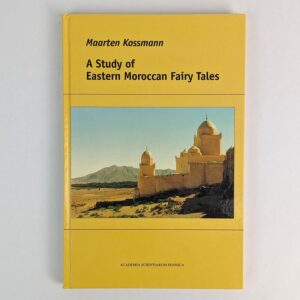
A Study of Eastern Moroccan Fairy Tales
AU$40 Read MoreAdd to cartMaarten Kossmann
Helskinki: Suomalainen Tiedeakatemia, 2000.This book studies the structure and style of orally transmitted fairy tales from Eastern Morocco in Berber and dialectal Arabic. Drawing on materials collected in his own fieldwork and other sources, the author pays special attention to the aesthetics of the fairy tale as understood by Max Lüthi and to the analysis of tale-specific formulae. Two hitherto unpublished Figuig Berber fairy tales are appended, as is a comparison of two versions of an Eastern Riffian story which, though collected independently at an interval of 60 years, show remarkable similarities. FF Communications No. 274 published by the Finnish Academy of Science and Letters.
-
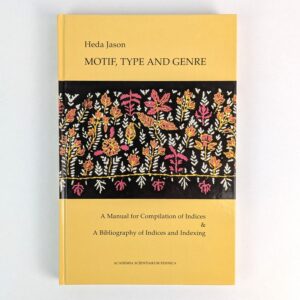
Motif, Type and Genre: A Manual for Compilation of Indices & A Bibliography of Indices and Indexing
AU$60 Read MoreAdd to cartHeda Jason
Helskinki: Suomalainen Tiedeakatemia, 2000.The present manual describes in detail methods and procedures for classifying (indexing/typing) folk literature. It has been prepared by an ethnopoetician at the suggestion of colleagues engaged in philological-historical research and is written on the basis of the author’s experience in both compiling indices for oral folk literature and using indices compiled by others. The Manual describes concepts, methods and working techniques. Three kinds of indices are described: indices for literary motifs, indices for tale types of oral and folk literatures and indices for ethnopoetic genres. FF Communications No. 273 published by the Finnish Academy of Science and Letters.
-
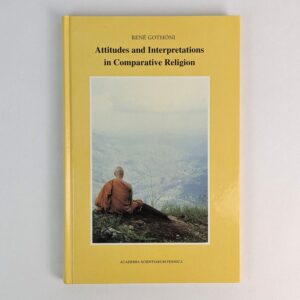
Attitudes and Interpretations in Comparative Religion
AU$50 Read MoreAdd to cartRene Gothoni
Helskinki: Suomalainen Tiedeakatemia, 2000.What is the attitude of the scholar of Comparative Religion to religion and religiosity? What is the specific method in Comparative Religion? Does the study of religions differ from other corresponding disciplines? The present volyme tries to answer these questions on the basis of fieldwork among Sinhalese Buddhist monks in Sri Lanka and Orthodox monks and pilgrims on the Holy Mountain of Athos in Greece. Apart from refining a more perceptive view of religion and religiosity, study elucidates the definition of religion and the principles applied in the comparative study of religions by factual cases from these two cultural fields. FF Communications No. 272 published by the Finnish Academy of Science and Letters.
-
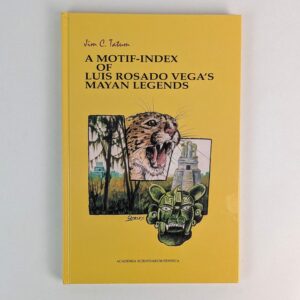
A Motif-Index of Luis Rosado Vega’s Mayan Legends
AU$40 Read MoreAdd to cartJim C. Tatum
Helskinki: Suomalainen Tiedeakatemia, 2000.The Mayan Culture, long recognised as among the most advanced indigenous groups of Latin America, possesses a rich heritage of mythology and traditions still very apparent in the Yacatan Peninsula at the closing of the twentieth century. Although Mayan legends have been studied and published as early as 1844, there exists no extensive motif-index dealing with the topic. This work attempts to help fill that need by indexing the works of Yacatecan writer Luis Rosaldo Vega. FF Communications No. 271 published by the Finnish Academy of Science and Letters.
-
Folklore of the Change: Folk Culture in Post-Socialist Bulgaria
AU$40 Read MoreAdd to cartRadost Ivanova
Helskinki: Suomalainen Tiedeakatemia, 1999.The book analyses the developments taking place in Bulgaria in the years following November 10, 1989. The dynamics of the political and socio-economic changes in that period are comparable only to the most extreme periods of Bulgaria’s history. This study is not a political analysis. It is an attempt to follow the changes in people’s mentality. This book documents the enthusiasm of the negation of a chimera lasting half a century and the euphoria of the search for new roads. The volume consists of eight studies, seven of which deal with the democratic processes and developments in Sofia. FF Communications No. 270 published by the Finnish Academy of Science and Letters.
-
The Type and Motif Index of Finnish Belief Legends and Memorates
AU$65 Read MoreAdd to cartMarjatta Jauhiainen
Helskinki: Suomalainen Tiedeakatemia, 1998.Lauri Simonsuuri’s Typen- und Motivverzeichnis der finnischen mythischen Sagen (FFC 182), published in 1961 and reprinted in 1987, became a classic among the national legend catalogues. Marjatta Jauhiainen’s work not only updates and brings into English the catalogue, it is a thorough revision and enlargement of the classification system itself. In the introduction she surveys the history of collecting and the progress of belief-legend cataloguing on the international scene providing a concordance with Reidar Th. Christiansen’s The Migratory Legends (FFC 175, 1958/1992). A clarification of key terms, a subject directory and a map displaying tradition areas in Finland help the reader to orientate in the exceptionally rich store of belief legends and memorates. FF Communications No. 267 published by the Finnish Academy of Science and Letters.
-
The Tale of the Three Oranges
AU$60 Read MoreAdd to cartChristine Goldberg
Helskinki: Suomalainen Tiedeakatemia, 1997.Folkloristic analysis of The Tale of the Three Oranges, tracing its narrative structure, motifs, and cross-cultural variants. FF Communications No. 263 published by the Finnish Academy of Science and Letters.
-
In and Out of Enchantment: Blood Symbolism and Gender in Portuguese Fairytales
AU$60 Read MoreAdd to cartIsabel Cardigos
Helskinki: Suomalainen Tiedeakatemia, 1996.The core of fairytales is the realm of enchantment. This study argues that the bloodshed associated with menstruation, defloration and childbirth–natural episodes in the lifecycle of women–is central to a syntax of enchantment and disenchantment that is common to all fairytales. It is a reflection on the gendered voices that have generated and contributed to the structure and symbolism of fairytales; and it takes shape along with the discussion of Portuguese versions of wide-spread tale types like AT303 (The Two Brothers), AT313 (The Girl as Helper in the Hero’s Flight and AT516 (Faithful John), as well as through an intriguing ecotype of Snake Helper tales (AT533*), ‘The Little Snake’. FF Communications No. 260 published by the Finnish Academy of Science and Letters.
-
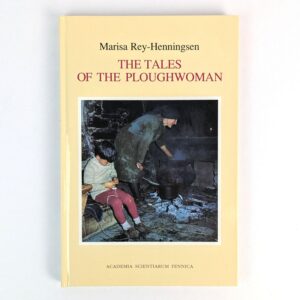
The Tales of the Ploughwoman
AU$40 Read MoreAdd to cartMarisa Rey-Henningsen
Helskinki: Suomalainen Tiedeakatemia, 1996.Appendix to FFC 254. FF Communications No. 259 published by the Finnish Academy of Science and Letters.
-
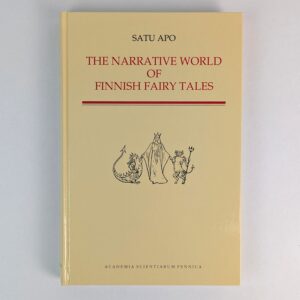
The Narrative World of Finnish Fairy Tales
AU$60 Read MoreAdd to cartSatu Apo
Helskinki: Suomalainen Tiedeakatemia, 1995.Finnish fairy tales represent the northern branch of the Western European fairy-tale tradition. Although Finnish epic folklore and mythology have been objects of great research interest, Finnish fairy tales have been studied surprisingly little. This study answers not only methodological but also the most important empirical questions, such as: what are the themes, plots and characters which have been able to entertain both fairy-tale tellers and their listeners from one generation to the next? How can these contentual elements be understood and interpreted within the framework of traditional Finnish folk culture? /// The methodological issues dealt with here include the question of how to approach traditional folklore material recorded in the 1800s, of which there is an enormous amount but very little accompanying contextual information. In order to analyse the contents of the tales, this study suggests the use of several semantic levels of abstraction as well as the systematic analysis of variation; only then is it feasible to present macrocontextual, interpretive hypotheses in which narrative and cultural structures are examined side by side. FF Communications No. 256 published by the Finnish Academy of Science and Letters.
-

The World of the Ploughwoman: Folklore and Reality in Matriarchal Northwest Spain
AU$60 Read MoreAdd to cartMarisa Rey-Henningsen
Helskinki: Suomalainen Tiedeakatemia, 1993.This study is a contribution to the discussion of folklore as a mirror of society. Spanish Galicia offers a special opportunity for examining wellknown folktales in a different context because of the cultural and economic dominance of women and the matriarchal life style which characterized the region until recently. That matriarchy was deeprooted in Galicia and did not result from male migration in modern times, is demonstrated in the historical chapters of the book, while the anthropological chapters (on family systems, work patterns, matriarchal ideology, sexual behaviour, religion and magic) tend to show that all aspects of Galician culture have been “canonized” in folklore; folklore therefore must have gone through radical changes in order to conform with the local ideology. While the women in Galician folktales almost always appear in active and aggressive hero roles, this has nothing to do with “wishful thinking” or “poetic fiction”, for according to the matriarchal concept it is just the natural order of things. Surely the correlation demonstrated here between the social structure, gender roles, and ideology may also be observed in male-dominated societies, once we learn to disengage from the patriarchal concept of the “natural order of things”. FF Communications No. 254 published by the Finnish Academy of Science and Letters.
-
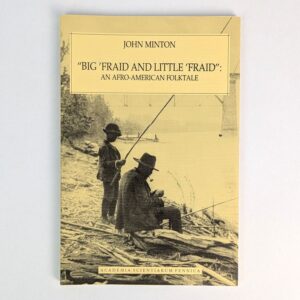
Big ‘Fraid and Little ‘Fraid: An Afro-American Folktale
AU$30 Read MoreAdd to cartJohn Minton
Helskinki: Suomalainen Tiedeakatemia, 1993.Though devoted specifically to the life history of the anecdote folklorists know as Tale Type 1676A/Motif K1682.1, Big ‘Fraid and Little ‘Fraid, this study more generally assesses the manner in which the circuitous epistemology of the tale indices compiled by, or in emulation of, Antti Aarne and Stith Thompson covertly subverted Richard Dorson’s controversial conclusions concerning the origins of Afro-American oral narratives, as well as the arguments of those who have challenged his position. FF Communications No. 253 published by the Finnish Academy of Science and Letters.
-
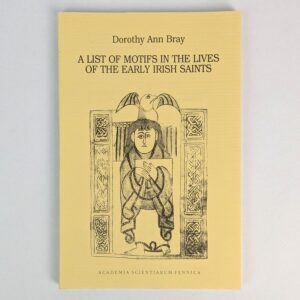
A List of Motifs in the Lives of the Early Irish Saints
AU$30 Read MoreAdd to cartDorothy Ann Bray
Helskinki: Suomalainen Tiedeakatemia, 1992.An identifying, classifying and documenting list of the themes of early medieval Irish saint biographies. FF Communications No. 252 published by the Finnish Academy of Science and Letters.
-
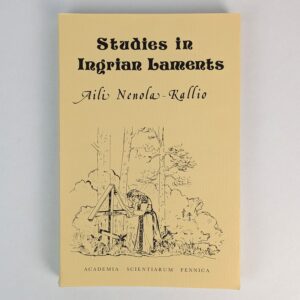
Studies in Ingrian Laments
AU$40 Read MoreAdd to cartAili Nenola-Kallio
Helsinki: Suomalainen Tiedeakatemia, 1982.Collection and analysis of Ingrian lament traditions, exploring ritual expression, grief, and regional folk poetics. FF Communications No. 234 published by the Finnish Academy of Science and Letters.
-
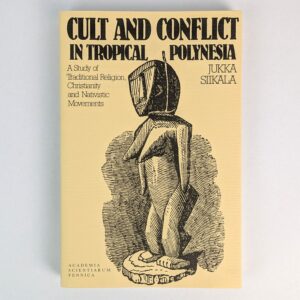
Cult and Conflict in Tropical Polynesia: A Study of Traditional Religion, Christianity and Nativistic Movements
AU$50 Read MoreAdd to cartJukka Siikala
Helsinki: Suomalainen Tiedeakatemia, 1982.Ethnographic study of religious practices and intergroup tensions in tropical Polynesia, analysing ritual, belief, and social conflict. FF Communications No. 233 published by the Finnish Academy of Science and Letters.
-
Studies in Finnic-Slavic Folklore Relations
AU$30 Read MoreAdd to cartFelix J. Oinas
Helsinki: Suomalainen Tiedeakatemia, 1991.Comparative study of Finnic and Slavic folklore, examining shared motifs, narrative structures, and cultural exchanges. FF Communications No. 205 published by the Finnish Academy of Science and Letters.
-
Types of Indic Oral Tales: India, Pakistan, and Ceylon
AU$30 Read MoreAdd to cartStith Thompson; Warren E. Roberts
Helsinki: Suomalainen Tiedeakatemia, 1991.Catalogue and analysis of Indic oral tales from India, Pakistan, and Sri Lanka, organised by tale-type and thematic motifs. FF Communications No. 180 published by the Finnish Academy of Science and Letters.
-
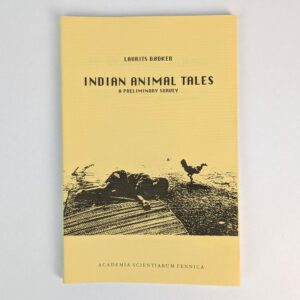
Indian Animal Tales: A Preliminary Survey
AU$30 Read MoreAdd to cartLaurits Bodker
Helsinki: Suomalainen Tiedeakatemia, 1991.Survey of Indian animal fables, tracing narrative structures, moral lessons, and cross-cultural folklore parallels. FF Communications No. 170 published by the Finnish Academy of Science and Letters.
-
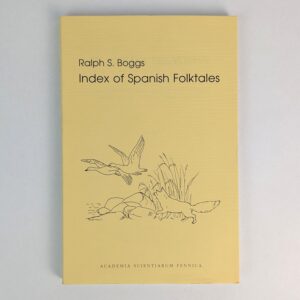
Index of Spanish Folktales
AU$30 Read MoreAdd to cartRalph S. Boggs
Helsinki: Suomalainen Tiedeakatemia, 1993.Classified according to Antti Aarne’s types of the folktale, translated and enlarged by Stith Thompson, in FF Communicatoins No. 74. FF Communications No. 90 published by the Finnish Academy of Science and Letters.
-
The Art of Mixing Metaphors: A Folkloristic Interpretation of the Netherlandish Proverbs by Pieter Bruegel the Elder
AU$30 Read MoreAdd to cartAlan Dundes; Claudia A. Stibbe
Helsinki: Suomalainen Tiedeakatemia, 1981.FF Communications No. 230 published by the Finnish Academy of Science and Letters.
-
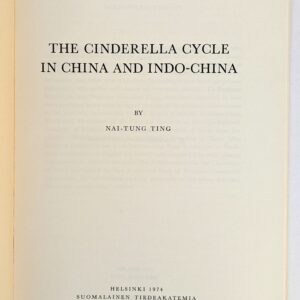
The Cinderella Cycle in China and Indo-China
AU$30 Read MoreAdd to cartNai-Tung Ting
Helsinki: Suomalainen Tiedeakatemia, 1974.Comparative folklore study of Cinderella-type tales across China and Indo-China, highlighting regional variants, motifs, and diffusion of the cycle. FF Communications No. 213 published by the Finnish Academy of Science and Letters.
-
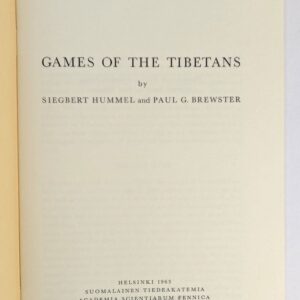
Games of the Tibetans
AU$30 Read MoreAdd to cartSiegbert Hummel; Paul G. Brewster
Helsinki: Suomalainen Tiedeakatemia, 1963.Ethnographic survey of traditional Tibetan games, combining cultural anthropology, folklore, and comparative play studies. FF Communications No. 187 published by the Finnish Academy of Science and Letters.
-
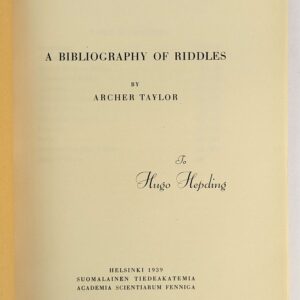
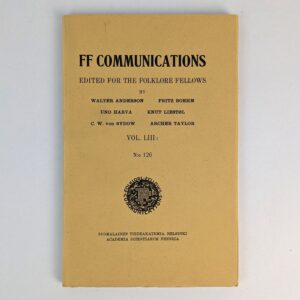
A Bibliography of Riddles
AU$40 Read MoreAdd to cartArcher Taylor
Helsinki: Suomalainen Tiedeakatemia, 1939.Comprehensive scholarly bibliography compiling global riddle literature, folklore sources, and critical studies. FF Communications No. 126 published by the Finnish Academy of Science and Letters.
-

Let’s Hear It for the Long-Legged Women
AU$150 Read MoreAdd to cartPaul du Feu
Sydney: Angus & Robertson, 1974.Erotic memoir by the husband of feminist writer Germaine Greer. He later married poet Maya Angelou.
-
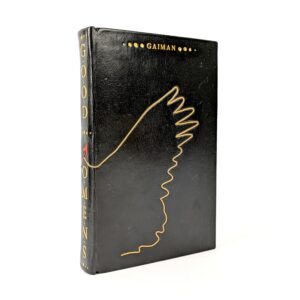
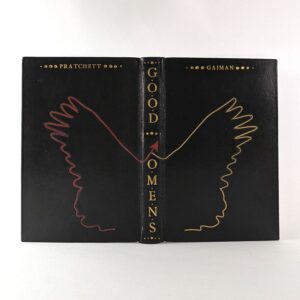
Good Omens: The Nice and Accurate Prophecies of Agnes Nutter, Witch
AU$1,000 Read MoreAdd to cartTerry Pratchett; Neil Gaiman
London: Victor Gollancz, 1990.First edition, first printing, in a full leather modern art binding by Queensland bookbinder Karen McGuire.
-
Lucifer
AU$400 Read MoreAdd to cartStephen Skinner; Neville Drury
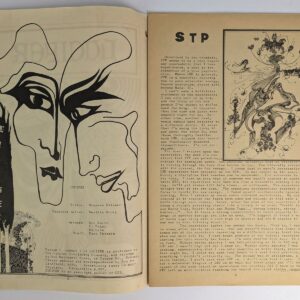
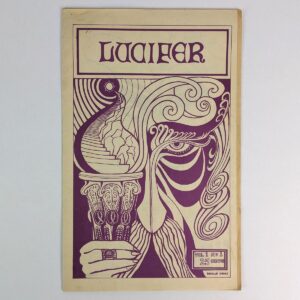
Sydney: The Lucifer Publishing Company, 1968.One shot Australian underground newspaper edited by Stephen Skinner with artwork by Neville Drury, Bob Smith, C. Foley, and Michele. Writings include an experiential report on the psychedelic STP (DOM), Bob Dylan’s film Don’t Look Back, Flying Saucers, Alchemy, and more.
-

Sin Valley
AU$50 Read MoreAdd to cartGail Spencer
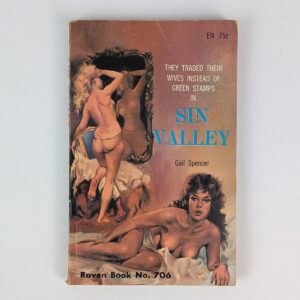
Los Angeles: Raven Books, 1962.Wife swapping themed pulp. Raven Book No. 706. “In Sin Valley there were no two ways about it. If you wanted to belong you swapped your woman for someone else’s. It led to some pretty embarassing situations. Johnny Marshak wanted no part of a sex carnival but what could he do when his wife stuck her chest out, accepting all dares.” Unrecorded in OCLC.
-

Sex Imposter
AU$250 Read MoreAdd to cartRuss Trainer
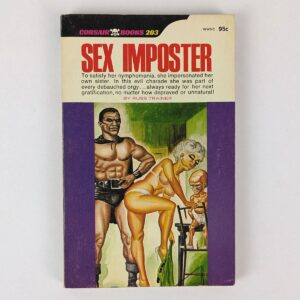
Cleveland: Corsair Publications, 1967.Nympho freak themed pulp. Corsair Books 203. Colour cover illustration by Gene Bilbrew AKA Eneg depicting some of the assorted characters. “To satisfy her nymphomania, she impersonated her own sister. In this evil charade she was part of every debauched orgy… always ready for her next gratification, no matter how depraved or unnatural!” Unrecorded in OCLC.
-
Devil’s Chamber
AU$150 Read MoreAdd to cartDuncan Lamour
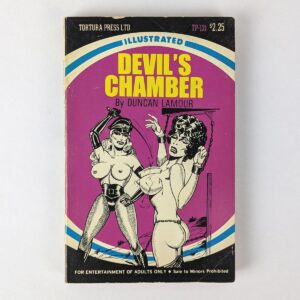
Buffalo: Tortura Press, 1972.Femdom BDSM pulp. TP-121. Cover illustration and 9 full page black and with illustrations in the text by Gene Bilbrew AKA Eneg. “The revolution had come, and failed, and gone. Afterwards came the repression, exactly as it had been predicted and feared for so many years. Tens of thousands of rebels and leftists, yippies, hippies, radicals, marxists, and simple liberals were rounded up and incarcerated in camps that were nothing more or less than concentration camps.” Unrecorded in OCLC.
-
Hell’s Dungeon
AU$200 Read MoreAdd to cartSteward Chalford
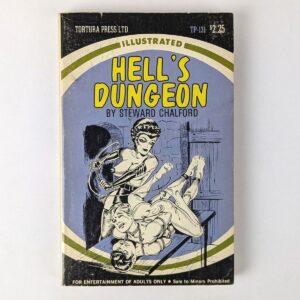
Buffalo: Tortura Press, 1972.Femdom BDSM pulp. TP-131. Cover illustration and 9 full page black and with illustrations in the text by Gene Bilbrew AKA Eneg. “The boy leaned far forward, thrusting out his crimson ass awaiting the sting of the lash. The old man in the pink panties took his time, toying with his victim.” Unrecorded in OCLC.
-
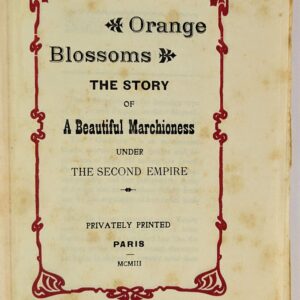
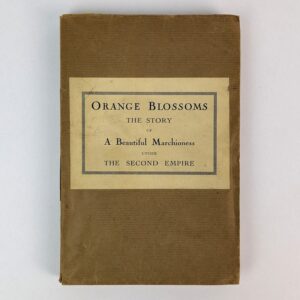
Orange Blossoms. The Story of A Beautiful Marchioness under the Second Empire
AU$300 Read MoreAdd to cartAnonymous
Paris: Privately Printed [Charles Carrington], 1903.English translation published by Carrington of, Souvenirs d’une Cocodette, first published in full clandestinely by Jules Gay in Brussels. Edition of 200 numbered copies, this copy unnumbered on thin wove paper in plain brown wrappers, as suggested by Mendes in Clandestine Erotic Fiction in English, 1800-1930, Carrington likely ran additional copies beyond the 200 on this thinner paper. MENDES 154(b)(iii).
-
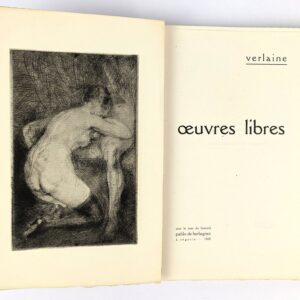
Oeuvres Libres
AU$650 Read MoreAdd to cartPaul Verlaine
Segovie: Pablo de Herlagnez, 1868 [c. 1930].Clandestine 20th century anthology of Verlaine’s Amies, Femmes, Hombres (except the last 4 quatrains of Balanide I), and Sonnet du trou du cul [Sonnet to an Asshole] by Verlaine and Arthur Rimbaud. With erotic chapter initials and accompanied by 6 erotic etchings by an anonymous artist. Edition of 400 copies, though often found without the suite of plates, here the plates are on thick Holland laid paper and not vellum as described in PIA 1440, DUTEL 2092.
-
Cocktails: How to Mix Them
AU$800 Read MoreAdd to cartRobert Vermiere
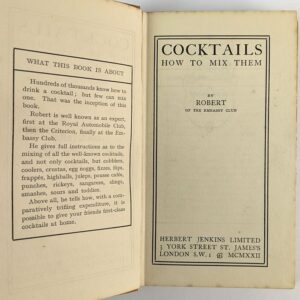
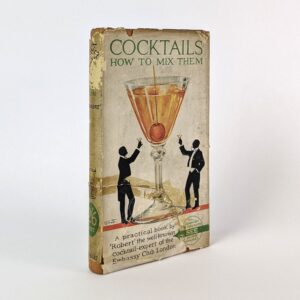
London: Herbert Jenkins, 1922.First printing of one of the classic 20th century cocktail books by one of London’s leading bartenders of the 1920s. Credited on the title page to Robert of The Embassy Club, Belgian Robert Vermeire (1891-1976) worked a number of London’s most prestigious establishments. Containing 16 pages of illustrated advertisements at the rear, the first of which being Vermiere offering his services to would be professional bartenders, hoteliers, and amateur mixers as a consultant by appointment at his London office at “moderate terms”, though right on the publication of this book he returned to Belgium and opened his own bar, Robert’s. The beverages in Cocktails: How to Mix Them, being not only cocktails, but also cobblers, coolers, crustas, egg nogs, fizzes, flips, frappes, highballs, juleps, pousse cafes, punches, rickeys, sangarees, slings, smashes, sours, toddies, and even a short section of useful medicinal prescriptions, have stood the test of time, with countless reprints and facsimiles. Vermeire provides nuanced insight into the ritzy drinking culture of the day, not only outlining ingredients and methods, but also touching on the origins of the drinks, stating the creator where known, and outlining what drinks were well known and well received where and by whom.
-
Photographic Views of Cheltenham and Its Neighbourhood
AU$300 Read MoreAdd to cartFrancis Bedford
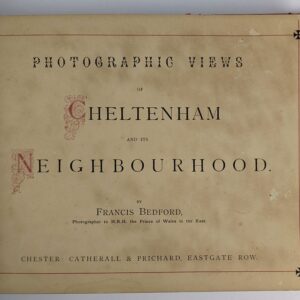
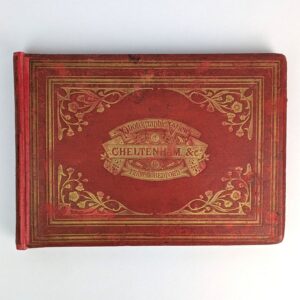
Chester: Catherall & Prichard, No date.Unrecorded view album produced from the prolific series of stereographs of England and Wales by one of England’s leading 19th century photographers. Bedford helped to found the Royal Photographic Society and received numerous royal commissions. This copy with 5 additional Bedford albumens of the same or larger size mounted on interleaves. The issued photographs are: 747. Cheltenham, The Promenade Drive, Looking Up.; 749. Cheltenham, The Promenade Drive, The Central Avenue; 750. Cheltenham, The Promenande Drive, The Side Avenue; 751. Cheltenham, The Queen’s Hotel; 753. Cheltenham, St. Mary’s (The Parish) Church; 754. Cheltenham, Proprietary College, Principal Front; 755. Cheltenham, Proprietary College, The Chapel; 756. Cheltenham, Proprietary College, Interior of the Chapel; 757. Cheltenham, Proprietary College, The Gymnasium; 758. Cheltenham, The High Street; 759. Cheltenham, Pitville Spa and Lake; 760. Cheltenham, Pitville Spa, The Pump Room; 761. The Devil’s Chimney, Leckhampton; 744. Tewkesbury Abbey, From the West; 746. Twekesbury Abbey, Interior of the Choir, Looking West; 743. Twekesbury, High Street and Old Houses. The additional photographs are captioned in manuscript: 757. Plough Hotel; 2350. Winter Gardens; 748. Promenade; 2378; 2346.
-
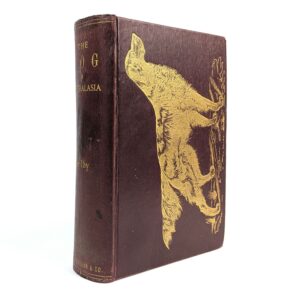
The Dog in Australasia
AU$1,000 Read MoreAdd to cartWalter Beilby
Melbourne: George Robertson and Company, 1897.The first Australian dog breeder’s manual. FERGUSON 6885.
-
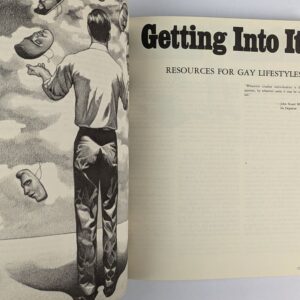

Gay Source: A Catalog for Men
AU$300 Read MoreAdd to cartDennis Sanders
New York: Coward, McCann & Geohegan, 1977.The Whole Earth Catalog of gay America; from help lines to holiday destinations. Compiled, written, and edited by Dennis Sanders with the assistance of Michael Emory. Illustrations by George Stavrinos. Feature articles by Felicine Picano, Ian Young, and many others.
-
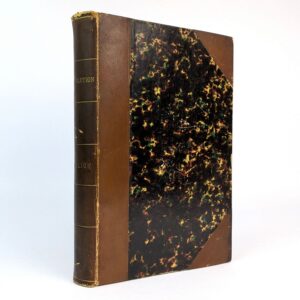
Evolution, Racial and Habitudinal
AU$200 Read MoreAdd to cartJohn T. Gulick
Washington, D.C.: Carnegie Institution of Washington, 1905.Human evolutionary theory by Hawaiian naturalist, missionary, and snail collector John Thomas Gulick (1832-1923). The three colour plates showing numerous shells.
-
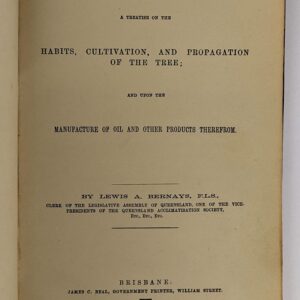
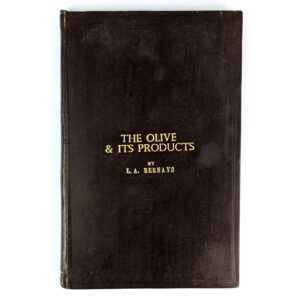
The Olive and Its Products
AU$550 Read MoreAdd to cartLewis A. Bernays
Brisbane: James C. Beal, Government Printer, 1872.A Treatise on the Habits, Cultivation, and Propagation of the Tree; and upon the Manufacture of Oil and Other Products Therefrom. Early publication on developing an olive industry in Queensland. Lewis Adolphus Bernays (1831-1908) was the first Clerk of the Queensland Legislative Assembly and as a foundation member of the Queensland Acclimatisation Society devoted to introducing exotic species for commercial purposes wrote a number of papers on economic botany. FERGUSON 6952.
-
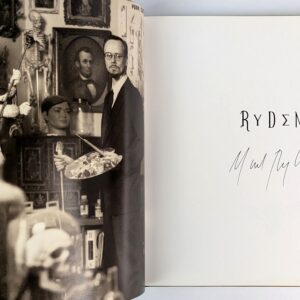
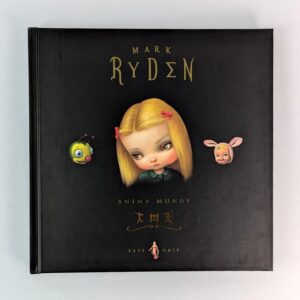
Anima Mundi
AU$500 Read MoreAdd to cartMark Ryden
San Francisco: Porterhouse Fine Art Editions and Last Gasp, 2001.Monograph from the early-mid career of the highly influential lowbrow pop surrealist American painter Mary Ryden (1963-). This copy signed by Ryden to the title page.
-
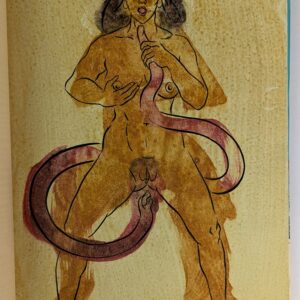

Eye 5 Eroticisma
AU$500 Read MoreAdd to cartMary Seamster
Santa Barbara: Eye Magazine, 1983.Artists book/magazine published in a numbered edition of 152 copies. This issue devoted to eroticism, and containing numerous signed original artworks, photographs, and collage. The artists are: Jas R Babbe, Chris Bastian, David Bottoms, Tom Clark, Flora Durham, Doug Edges, Sam Erenberg, Pat Fish, Tim Goetz, Marsea Goldberg, Jeff Greenwald, Jenny Hankwitz, Ken Hendrickson, David Holland, Michael Irwin, Starke Jett, Susan Jorgensen, Barbara Kapusnak, Steve Knauff, Penny Mast, Paul McCarthy, Michael Napper, Dwayne Newton, David Ossman, Somers Randolph, Jim Risser, Richard Ross, Mary Seamster, Elena Siff, James Taylor, Kerry Tomlinson, Dug Eyesaka, Shelly Vogel, and Seyburn Zorthian.
-
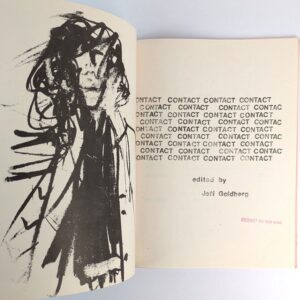
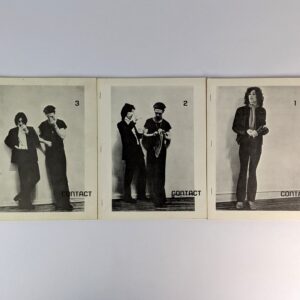
CONTACT 1, 2, 3 (3 Volumes)
AU$350 Read MoreAdd to cartJeff Goldberg
Philadelphia: Red Room Books, 1972.First three issues of the literary journal CONTACT edited by Jeff Goldberg, all published in the space of 5 days in December 1972. These initial issues containing Goldberg’s A Week in Philadelphia, and other writings by Goldberg, Victor Bockris, Andrew Wylie, Marty Watt, and Ken Bluford. CONTACT ran for only 7 issues, however after issue 3 there was a change in editorial direction with the remaining issues largely focusing on an individual writer and running with contributions from a wider pool rather than the focused combined output of these Philadelphians, from their young and heady days trying to make their lives as poets.
-
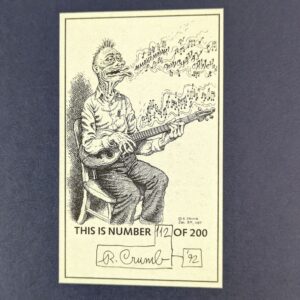
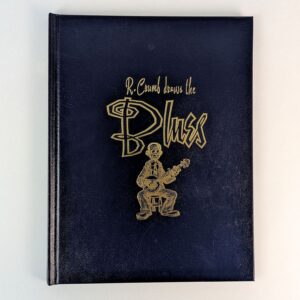
R. Crumb Draws the Blues
AU$1,000 Read MoreAdd to cartRobert Crumb
London: Knockabout Comics, 1992.Collection of music comics by underground comix legend Robert Crumb from Zap, Weirdo, et al. One of the limited hardcover edition of 200 signed and numbered copies.
-
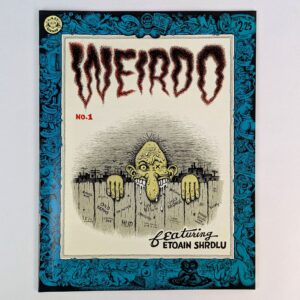
Weirdo No. 1
AU$200 Read MoreAdd to cartRobert Crumb
Berkeley: Last Gasp, 1981.“Picking up where Zap left off, Weirdo defined a new aesthetic for the ’80s, opening the way towards a new wave of comics literacy for a generation of outcasts, oddballs and revolutionaries. Weirdo #1, helmed by Robert Crumb, features comics from Crumb, satiric ads, photo-funnies from “Stomp” Gamos and Weirdo staff, Stanislav Szukalski, Bruce Duncan, Brueghel, a Sub-Genius spread and more!” (publisher’s blurb)
-

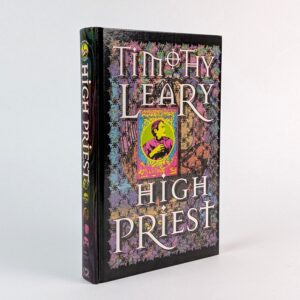
High Priest
AU$550 Read MoreAdd to cartTimothy Leary
Berkeley: Ronin Publishing, 1995.The signed and numbered issue of 500 copies of the Second Edition of Leary’s psychedelic cult persona forming record of 16 trips during his Harvard study days led by guides Aldous Huxley, Allen Ginsberg, R. Gordon Wasson, Ram Dass (Richard Alpert), Ralph Metzner, Huston Smith, William S. Burroughs, Michael Hollingshead, and others. Containing the original art from the first edition by Allen Atwell and Michael Green, and with new art for this edition by Howard Hallis.
-
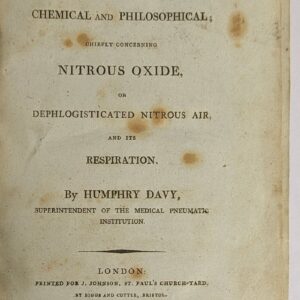
Researches, Chemical and Philosophical, Chiefly Concerning Nitrous Oxide, or Dephlogisticated Nitrous Air, and Its Respiration
AU$6,000 Read MoreAdd to cartHumphry Davy
London: J. Johnson, 1800.Landmark work in chemistry and anaesthesia. Published when Davy was only 21, outlining his experiments with nitrous, popularising the term laughing gas, and suggesting its anaesthetic qualities, which were not regularly used in medicine for many years to come. Provenance: Pencil signature of British crime writer and anaesthetist William Stanley Sykes (1894-1961) with three lines of pencil annotation to front free endpaper.
-
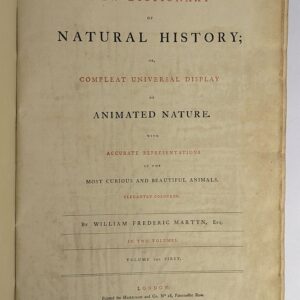
A New Dictionary of Natural History; or, Compleat Universal Display of Animated Nature. With Accurate Representations of the Most Curious and Beautiful Animals, Elegantly Coloured.
AU$5,000 Read MoreAdd to cartWilliam Frederic Martyn
London: Harrison and Co., 1785.Popular 18th century reference work by William Fordyce Mavor under his Martyn pseudonym, with 100 hand-coloured plates each depicting 4 to 9 animals, insects, or shells.