
Prices in AUD. Free Australian delivery for orders over $400. Free international delivery for orders over $800. Read full terms.
Showing 501–600 of 1096 resultsSorted by latest
-
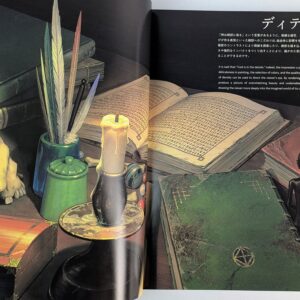
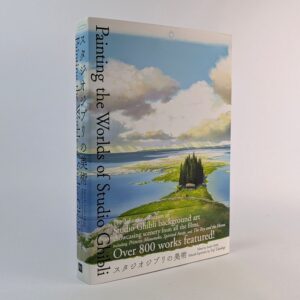
Painting the Worlds of Studio Ghibli
AU$215 Read MoreAdd to cartStudio Ghibli; Yoji Takeshige
Tokyo: Pie International, 2025.“Featuring more than 800 pieces of background art, this beautiful hardcover is a complete and enduring publication allowing readers to thoroughly enjoy backgrounds from each and every scene of the Ghibli masterpieces. Including art from each of Studio Ghibli’s twenty-seven films, these pages offer a glimpse into techniques that bring depth and life to these cherished cinematic worlds, revealing a mastery of brushwork, colour and perspective. Editorial supervision by Yoji Takeshige. This is a must-have book for fans of Ghibli films and creators involved in the animation industry. Editorial Supervisor: Yoji Takeshige, background artist and art director for many Ghibli films.” (publisher’s blurb)
-
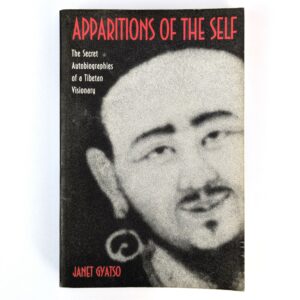
Apparitions of the Self: The Secret Autobiographies of a Tibetan Visionary
AU$40 Read MoreAdd to cartJanet Gyatso
Princeton: Princeton University Press, 1998.A Translation and Study of Jigme Lingpa’s Dancing Moon in the Water and Dakki’s Grand Secret-Talk.
-
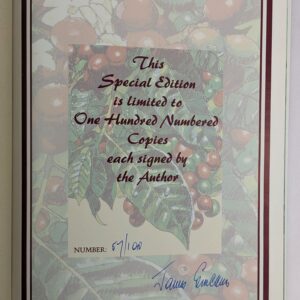
The Money Tree: Coffee in Papua New Guinea
AU$200 Read MoreAdd to cartJames Sinclair
Bathurst: Crawford House Publishing, 1995.The deluxe edition, limited to 100 signed and numbered copies.
-
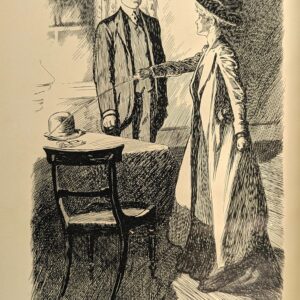
Dead Man’s Love
AU$150 Read MoreAdd to cartTom Gallon
London, Melbourne and Toronto: Ward, Lock & Co., 1911.Romance mystery adventure of a prison escapee. The first printing with frontispiece illustration by Howard Somerville.
-
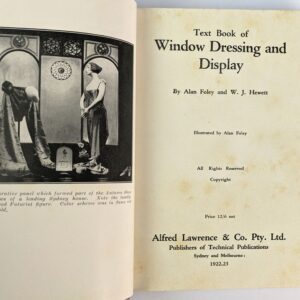
Text Book of Window Dressing and Display
AU$100 Read MoreAdd to cartAlan Foley; W. J. Hewett
Sydney and Melbourne: Alfred Lawrence & Co., 1922.Australian manual for the arrangement of shop windows including show card writing. Contains advertisements for Australian businesses supplying relevant materials and services.
-
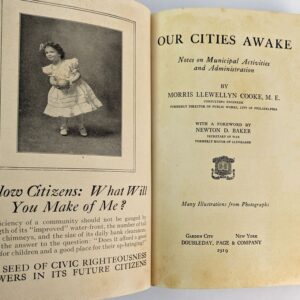
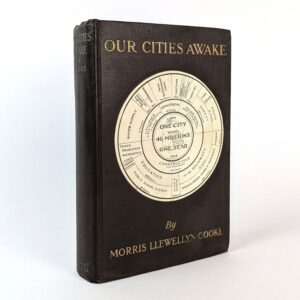
Our Cities Awake: Notes on Municipal Activities and Administration
AU$80 Read MoreAdd to cartMorris Llewellyn Cooke
Garden City: Doubleday, Page & Company, 1919.On city management based on the author’s time as Director of Public Works for the City of Philadelphia.
-
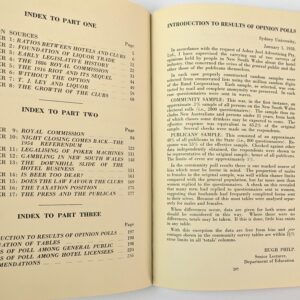
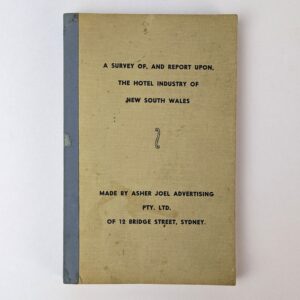
A Survey of, and Report Upon, the Hotel Industry of New South Wales
AU$80 Read MoreAdd to cartAsher Joel Advertising
Sydney: The Langlea Printery, 1958.Submitted to the United Licensed Victuallers Association.
-
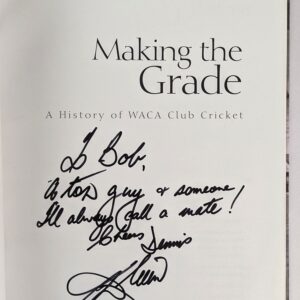
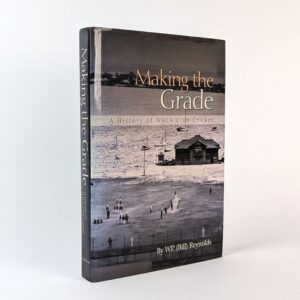
Making the Grade: A History of WACA Club Cricket
AU$60 Read MoreAdd to cartWP (Bill) Reynolds
Perth: Western Australian Cricket Association, 2012. -
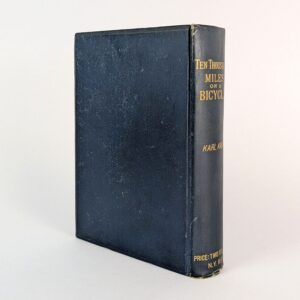
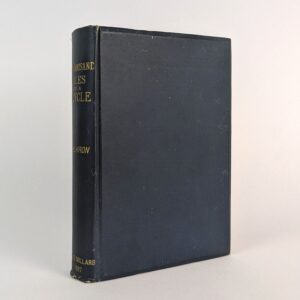
Ten Thousand Miles on a Bicycle
AU$300 Read MoreAdd to cartKarl Kron
New York: Karl Kron, 1887.“A book of American roads, for men who travel on bicycle. Its ideal is that of a gazetteer, dictionary, cyclopaedia, statistical guide, thesaurus of facts.” (from preface). A thorough history of 19th century cycling by one of its early adopters. Having never seen a cyclist riding a bicycle Kron ordered and received his first bicycle in 1879. Over the next 3 years he rode over 10,000 miles and contributed regularly to the cycling periodicals of the day. He then set about describing in great detail his touring experiences as well as all sorts of cycling minutiae, including reports from Australasian subscribers. Unable to find a publisher Kron pitched his book to his article readers and received over 3,500 $1 subscriptions. This not one of the subscriber’s issue.
-
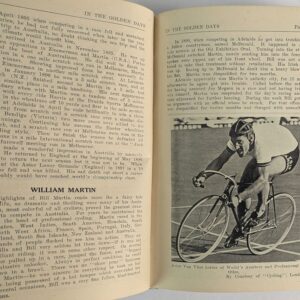
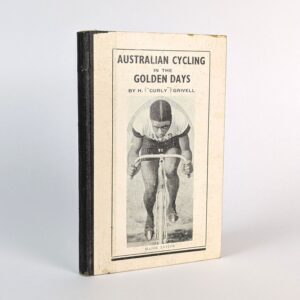
Australian Cycling in the Golden Days
AU$300 Read MoreAdd to cartH. (“Curly”) Grivell
Adelaide: Courier Press, No date.History of Australian cycling from the 19th century to the 1950s.
-
The Pioneers of the North-West of South Australia, 1856 to 1914
AU$80 Read MoreAdd to cartNorman A. Richardson
Adelaide: Libraries Board of South Australia, 1980. -
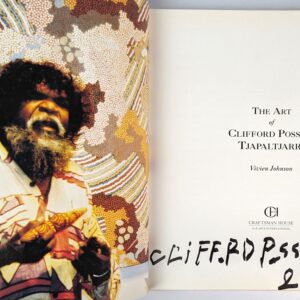
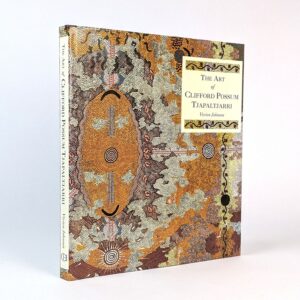
The Art of Clifford Possum Tjapaltjarri
AU$400 Read MoreAdd to cartVivien Johnson
Sydney: Craftsman House and Gordon and Breach Arts International, 1996.The second printing, signed by Clifford Possum to the title page.
-
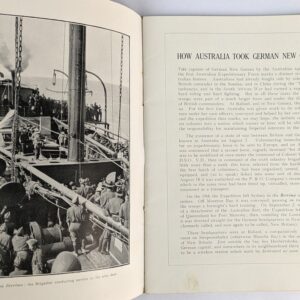
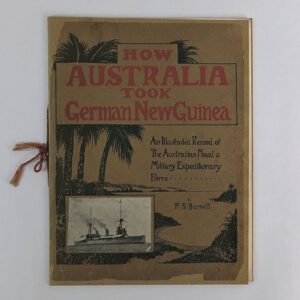
How Australia Took German New Guinea: An Illustrated Record
AU$300 Read MoreAdd to cartF. S. Burnell
Sydney: W. C. Penfold & Co, No date.An Illustrated Record of The Australian Naval & Military Expeditionary Force. The first issue published in 1915 immediately after the taking of German New Guinea. Includes a two-page account, five-page list of all personnel, and 52 photographic illustrations.
-
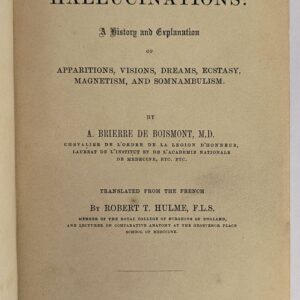
On Hallucinations: A History and Explanation of Apparitions, Visions, Dreams, Ecstasy, Magnetism, and Somnambulism
AU$350 Read MoreAdd to cartA. Brierre de Boismont; Robert T. Hulme
London: Henry Renshaw, 1859.The first psychiatric survey of hallucinations by the French physician and psychiatrist Alexandre Jacques Francois Briere de Boismont (1797-1881), first published in English in 1853, on offer here is the first UK edition, translated from the French by Robert T. Hulme. Boismont considered hallucinations to be one of the most important aspects of man’s psychological history.
-
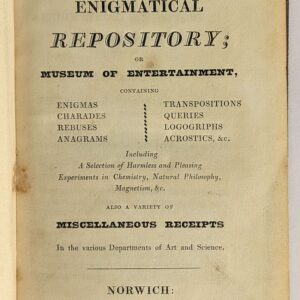
The Enigmatical Repository; or Museum of Entertainment,
AU$300 Read MoreAdd to cartJ. Dawson
Norwich: J. Dawson, No date.Containing Enigmas, Charades, Rebuses, Anagrams, Transpositions, Queries, Logogriphs, Acrostics, &c. Including A Selection of Harmless and Pleasing Experiments in Chemistry, Natural Philosophy, Magnetism, &c. Also a variety of Miscellaneous Receipts In the various Departments of Art and Science. A collection of word puzzles and simple chemistry experiments designed for youth amusement. Not in Toole Stott. This copy inscribed by the publisher J. Dawson and from the collection of magician Ricky Jay.
-
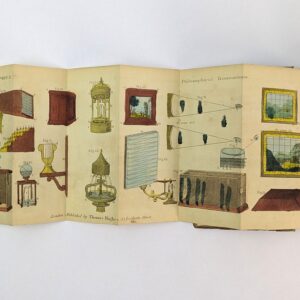
Philosophical Recreations, or Winter Amusements
AU$800 Read MoreAdd to cartJohn Badcock
London: T. Hughes, No date.A Collection of Entertaining & Surprising Experiments in Mechanics, Arithmetic, Optics, Hydrostatics, Hydraulics, Pneumatics, Electricity, Chemistry, Magnetisism, & Pyrotechny, Or Art of Making, Fire Works, together with the wonders of the Air Pump, Magic Lanthorn, Camera Obscura, &c. &c. &c. and a variety of Tricks with Cards. (circa 1828). TOOLE STOTT 77.
-
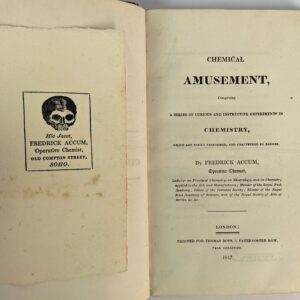
Chemical Amusement, Comprising a Series of Curious and Instructive Experiments in Chemistry,
AU$1,500 Read MoreAdd to cartFredrick Accum
London: Thomas Boys, 1817.Which are Easily Performed, and Unattended by Danger. 103 chemistry experiments with magical application for the conjuring chemist. The rare first edition with the 60 page, A Descriptive Catalogue of the Apparatus & Instruments Employed in Experimental and Operative Chemistry, in Analytical Mineralogy, and in the Pursuits of the Recent Discoveries of Voltaic Electricity, Manufactured and Sold by the author, at the rear, the separate title on the verso of pp. 191. Friedrich Accum (1769-1838) was a German chemist who lived in London from 1793 to 1821. He played a key role in the establishment of gas lighting in London and wrote a number of popular chemistry works, most notably campaigning against the unscrupulous use of chemical additives in food in his 1820 A Treatise on Adulterations of Food and Culinary Poisons. HALL 1, TOOLE STOTT 1. This copy in a Zaehnsdorf half leather binding with the author’s calling card laid in and the bookplates of magicians Roland Winder and Ricky Jay.
-
Balinese Architecture: Towards an Encyclopaedia
AU$500 Read MoreAdd to cartMade Wijaya
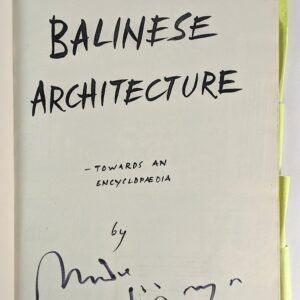
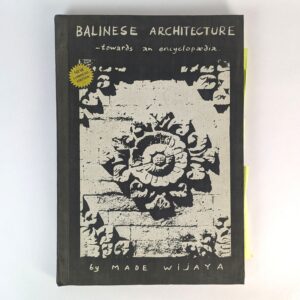
[Sanur]: Fotokopi, 1988.This book grew out of a report by students of the University of Sydney during a holiday design programme in Bali to which Wijaya was the tutor. “Most of the photographers were taken over the six months April – October, 1984. The selection is comprehensive in that it covers the full spectrum of Balinese Architecture — mountain to coastal, north to south, palatial to makeshift..” (from preface) Made Wijaya (born in Sydney as Michael White, 1953-2016) was a landscape architect who left Sydney for Bali as a break from architectural studies at University of Sydney and stayed, immersing himself in the Balinese culture, consorting with royalty, and in 1975 was renamed Made Wijaya by a priest in a Hindu temple ceremony. The New Compiled Edition, combining volumes 1 and 2. Photocopied pages (as issued) with 14 original colour photographs pasted in (copies are known to have differing numbers of added photographs). One of 50 numbered and signed copies, this copy further inscribed by Wijaya to the title page, and with numerous manuscript corrections as well as additional information tabs further describing many of the illustrations.
-
Indian Paintings in the Sarabhai Foundation
AU$50 Read MoreAdd to cartB. N. Goswamy
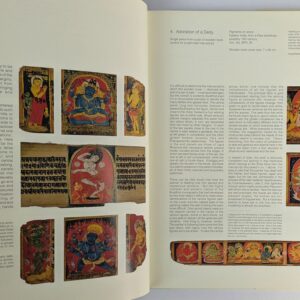
Ahmedabad: Sarabhai Foundation, 2010.Catalogue of paintings in the collection, each with an extended text description.
-
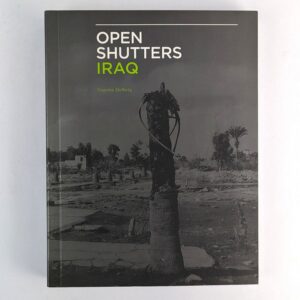
Open Shutters Iraq
AU$50 Read MoreAdd to cartEugenie Dolberg
London: Trolley, 2010.“This book is a collection of individual photographs and photographic essays made by women from Baghdad, Basra, Falluja, Kirkuk and Mosul in 2006/7. These women were not photographers or writers, but were brought together by their need to tell their stories.” (from preface)
-
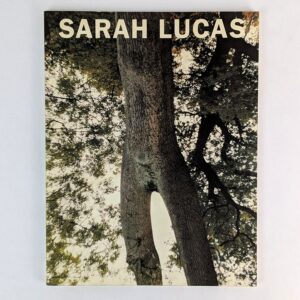
Sarah Lucas: 4.2 – 31.3.1996
AU$60 Read MoreAdd to cartSarah Lucas
Rotterdam: Museum Boymans van Beuningen, 1996.Catalogue for an exhibition by English contemporary artist Sarah Lucas. This copy from the collection of photographer Lewis Morley, with the Lewis and Patricia Morley Library exlibris plate.
-
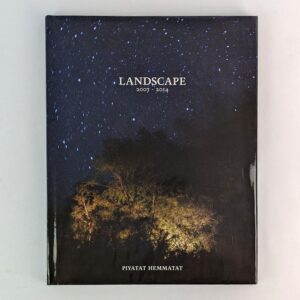
Landscape, 2007 – 2014
AU$40 Read MoreAdd to cartPiyatat Hemmatat
[Chicago]: Serindia Contemporary, 2015.“LANDSCAPE 2007-2014 by Piyatat Hemmatat is a limited edition (of 500) artist’s book of his Landscape series in which for the last seven years he explored ‘his alternate reality’, the landscape. His exploration of nature has informed many of his published projects and has enabled him to get back in touch with his instincts and derive creative strength from them. LANDSCAPE is a collection of his most illuminating encounters that translated into a stunning selection of thirty landscape photographs in this beautifully-produced artist’s edition volume.” (publisher’s blurb)
-
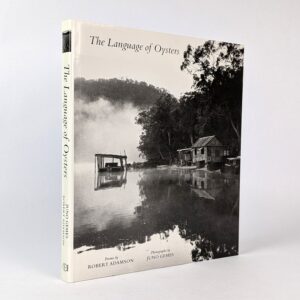
The Language of Oysters
AU$250 Read MoreAdd to cartRobert Adamson; Juno Gemes
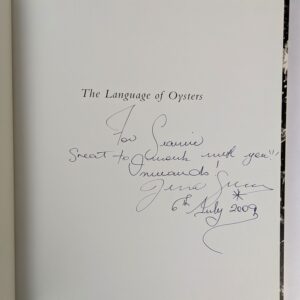
Sydney: Craftsman House, 1997.Photo and poetry book on the lives of the oyster farmers on the Hawkesbury River, New South Wales. This copy inscribed by the photographer, Juno Gemes.
-
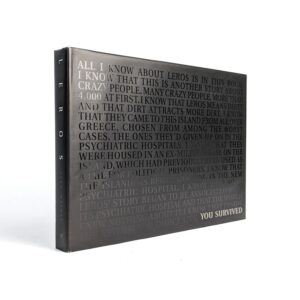
Leros
AU$300 Read MoreAdd to cartAlex Majoli
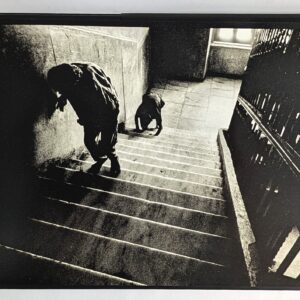
London: Trolley, 2002.Debut photo book by Magnum photographer Alex Majoli documenting the psychiatric hospital on the Greek island of Leros.
-
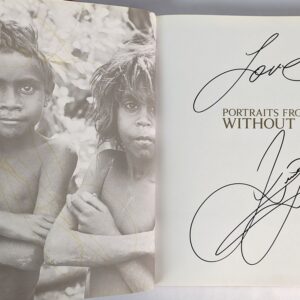
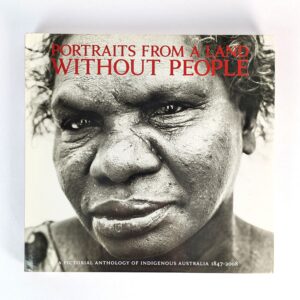
Portraits from a Land Without People
AU$550 Read MoreAdd to cartJohn Ogden
Sydney: Cyclops Press, 2008.A Pictorial Anthology of Indigenous Australia, 1847-2008. This copy signed and numbered by Jimmy Little and signed by John Ogden.
-
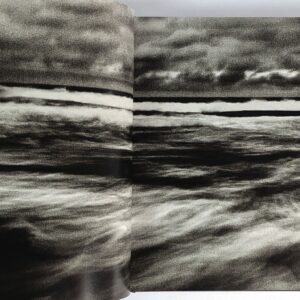
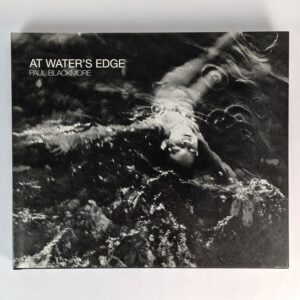
At Water’s Edge
AU$50 Read MoreAdd to cartPaul Blackmore
Sydney: T&G Publishing, 2012.“At Water’s Edge, the long-awaited publication from photographer Paul Blackmore, explores the relationship between humanity and its most vital natural resource. This extraordinary body of work – spanning 11 years and 14 countries – provides a global look at how water flows through the spiritual and physical daily lives of people around the world. The photographs poignantly illustrate the unfolding drama of the global water crisis and how it is affecting those caught up in it: a billion people without access to clean water, another four billion without an adequate supply. Against this dire backdrop, the work also celebrates the quiet, yet essential connection with nature that water offers us.” (publisher’s blurb)
-
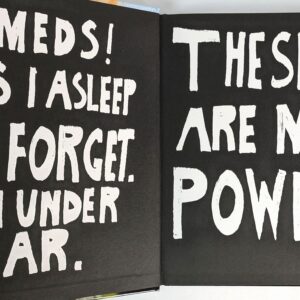
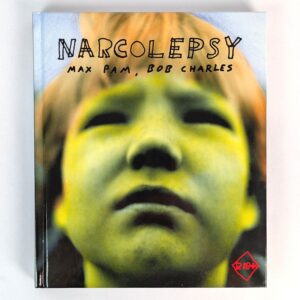
Narcolepsy
AU$50 Read MoreAdd to cartMax Pam; Bob Charles
Sydney: T&G Publishing, 2012.“Narcolepsy radically delivers a process that shakes-up the form of the book to produce the art as book and the book as art. The book is a fully realised graphic vehicle. The ways in which the book operates as a series of closures and openings, also parallels the content of the book and amplifies it as an evocative, mysterious object. Narcolepsy is loaded with the poetics of sex and death realised through an exciting fusion of drawing, painting, text and photography. Narcolepsy is a disturbingly ambiguous novella in pictures and words by Max Pam (photographer) and Bob Charles (writer).” (publisher’s blurb)
-
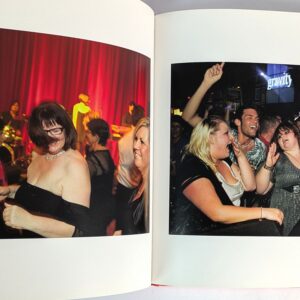
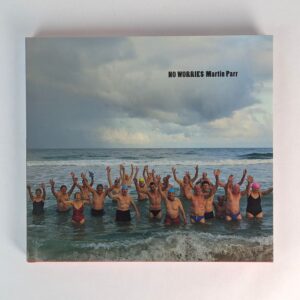
No Worries
AU$80 Read MoreAdd to cartMartin Parr
Sydney: T&G Publishing, 2011.“In 2011 Magnum photographer Martin Parr set out to photograph three Western Australian port cities, Fremantle, Port Hedland and Broome. Each town was a unique setting for a photographer famed for his images of British seaside culture in the publication Last Resort. Using his unmistakably intimate and satirical style, Parr went about photographing Australian cliches, full of saturated colours and flash photography. The resulting photographs, published here for the first time, are an invaluable collection from this world-renowned British photographer.” (publisher’s blurb)
-
War: A Degree South Collection #1
AU$50 Read MoreAdd to cartDegree South
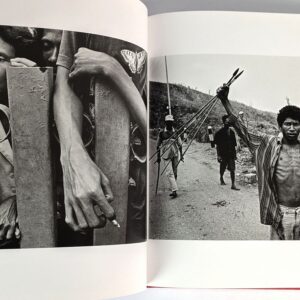
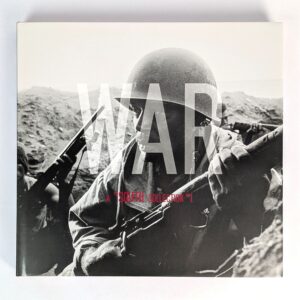
Sydney: T&G Publishing, 2009.“The collection of images in War — A Degree South Collection #1 truly illustrates that war is the disease of humanity. There has never been a time that it didn’t exist. Once the battlefield was the place of devastation. Now it is streets, alleyways, schools and places of worship. People and places are no longer protected or sacred. During times of war it is now officially safer to be a soldier than an unarmed civilian. In WWI, five percent of casualties were civilians. WWII the figure was fifty percent. In 1990, planet earth was host to 32 conflicts or wars and ninety percent of the casualties were civilians, nearly all of them women and children. Things have not improved and at present there are 43 conflicts taking place on our planet.” (publisher’s blurb) The photographers are Tim Page, David Dare Parker, Ben Bohane, Stephen Dupont, Jack Picone, Michael Coyne, Ashley Gilbertson and Sean Flynn. Text by Shaune Lakin and Tim Page.
-
War: A Degree South Collection #1
AU$150 Read MoreAdd to cartDegree South
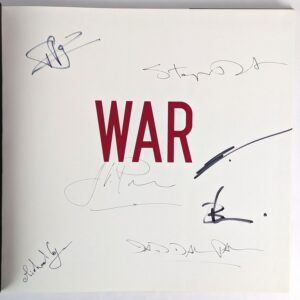
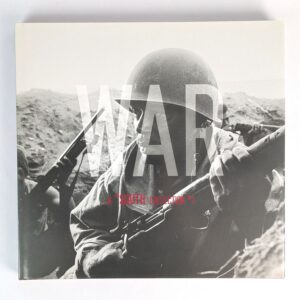
Sydney: T&G Publishing, 2009.“The collection of images in War — A Degree South Collection #1 truly illustrates that war is the disease of humanity. There has never been a time that it didn’t exist. Once the battlefield was the place of devastation. Now it is streets, alleyways, schools and places of worship. People and places are no longer protected or sacred. During times of war it is now officially safer to be a soldier than an unarmed civilian. In WWI, five percent of casualties were civilians. WWII the figure was fifty percent. In 1990, planet earth was host to 32 conflicts or wars and ninety percent of the casualties were civilians, nearly all of them women and children. Things have not improved and at present there are 43 conflicts taking place on our planet.” (publisher’s blurb) The photographers are Tim Page, David Dare Parker, Ben Bohane, Stephen Dupont, Jack Picone, Michael Coyne, Ashley Gilbertson and Sean Flynn. Text by Shaune Lakin and Tim Page. This copy signed by 7 of the 8 photographers (Sean Flyyn went missing while on assignment in Cambodia).
-
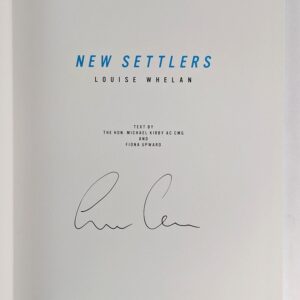
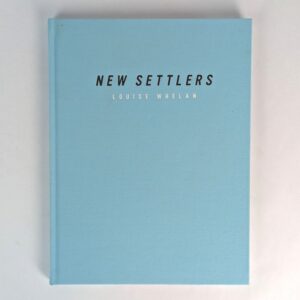
New Settlers
AU$40 Read MoreAdd to cartLouise Whelan
Sydney: T&G Publishing, [2013].“Documents the diversity of people who immigrate to Australia, and defies the prejudice and stereotyping embedded in parts of society. It is common in media coverage to play on fear in the community and demonize boat people. Text by The Hon. Michael Kirby AC CMG One-time Justice of the High Court of Australia and Fiona Upward.” (publisher’s blurb) This copy signed by Whelan on the title page.
-
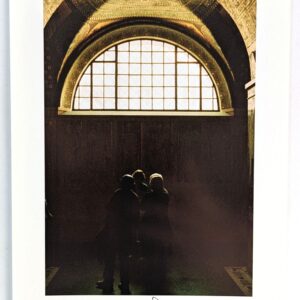
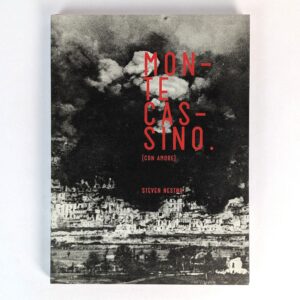
Monte Cassino (Con Amore) w/ Print
AU$40 Read MoreAdd to cartSteven Nestor
Sydney: T&G Publishing, 2019.“Monte Cassino: Con Amore is an exploration by Steven Nestor of the destruction of a small Italian town Monte Cassino and its monastery in the Second World War. Surviving copies of The Illustrated London News from 1944 lead Nestor on a journey to discover and record the last remaining traces of the devastation of the town and the Benedictine monastery built on the site of the original Abbey chosen and founded by St Benedict in the 6th century. Blending original material from his research archive alongside his own images, Nestor encourages the viewer to cross into an elusive but violent past. The photographic windows throughout this book look out onto a buried past that continues to inform and shape our present through the fragments that have survived destruction, the passage of time and a human quest to overcome disaster. This is a journey across unremarkable contemporary places and into their dark history: forlorn graffiti semaphores in a space once littered with casualties of battle, a collapsed street sign lies unnoticed on the edge of town and autumns mulch burns on the road that snakes its way up to the summit of worship and war.” (publisher’s blurb) This copy signed by Nestor on the title page and with a signed photographic print in a paper folder laid in.
-
Waiting Under Southern Skies
AU$40 Read MoreAdd to cartColin Abbott
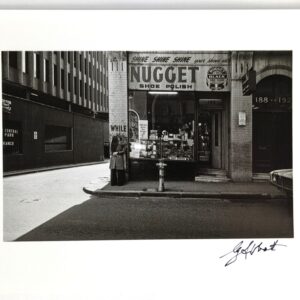
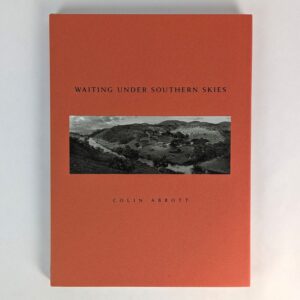
Sydney: T&G Publishing, [2019].“Waiting Under Southern Skies is a selection of evocative, and previously unpublished, images from Colin Abbotts personal archive of over 50 years documenting Australian life, as it presented to him. It is an intimate narrative of people and places during a period of immense social change in Australia.” (publisher’s blurb) This copy signed by Abbott on the title page and with a signed photographic print in a paper folder laid in.
-
The Windmill Collection: Photographs by Rose & Emma Windmill
AU$50 Read MoreAdd to cartPeter Elliston
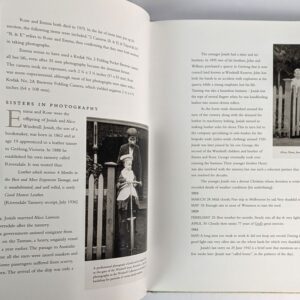
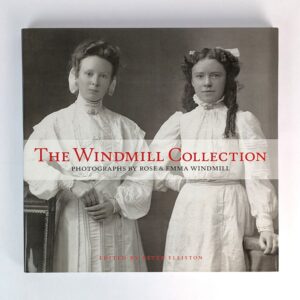
Sydney: T&G Publishing, 2008.“These rare photographs, never published before, present a charming portrait of times gone by, an Australian ambience that no longer exists. The Collection comprises vignettes of family and social life in the years between the first and second world wars in Victoria. The photographs also provide the viewer with an opportunity to see what life was like at that time, the emotional landscapes of cities and towns that are today dramatically altered by the modernisation of life.” (publisher’s blurb)
-

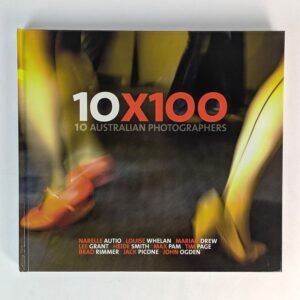
10×100: 10 Australian Photographers
AU$40 Read MoreAdd to cartMaurice Ortega
Sydney: T&G Publishing, 2011.“Fujifilm Professional and T&G Publishing have selected 10 of Australias finest contemporary photographers for this unprecedented publication. They were invited to explore their creativity using Fujifilm’s recently developed, compact, new generation Finepix X100 digital camera, submitting 10 photographs each for publication. The photographers are Max Pam, Narelle Autio, Lee Grant, Heide Smith, Jack Picone, Louise Whelan, John Ogden, Marian Drew, Brad Rimmer and Tim Page.” (publisher’s blurb)
-
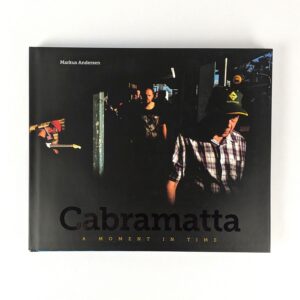
Cabramatta: A Moment in Time
AU$40 Read MoreAdd to cartMarkus Andersen
Sydney: T&G Publishing, 2016.“Cabramatta is not your typical Australian suburb. If you took a stroll through the streets of this south-western Sydney hub, you may feel like you are in Southeast Asia. However, the suburb of Cabramatta is emblematic of modern Australia — urban, busy and brimming with multicultural activity. Sydney photographer Markus Andersen has captured this melting pot of cultures in his distinctive, street photography style. His raw, sometimes playful images show the uniquely diverse and human side of Cabramatta, seizing little moments of beauty in everyday life. A year in the life of one of Australias most vivid multicultural communities, suspended in the amber of Markus Andersen’s lens.” (publisher’s blurb) This copy signed by Andersen.
-
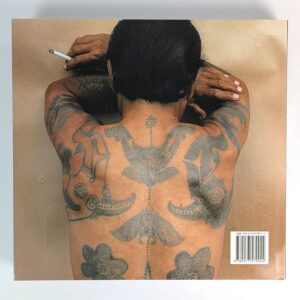

Atlas Monographs
AU$50 Read MoreAdd to cartMax Pam
Sydney: T&G Publishing, 2009.“Atlas Monographs is a compression of eight travel journals, beginning with Pam’s most recent work (Karakoram 2006) and shifting back through the decades to his first journals begun in 1970. The journals map, through text, photo and marks on paper his engagement with the cultures he has travelled through. Just as importantly, the journals provided the engine room for his development as a photographer, a writer and an artist. Max Pam is one of Australia’s most important contemporary photographers. Working as a professional since the early 1970s he is among a handful of Australians to make a substantial impact on the intensely competitive international photographic scene.” (publisher’s blurb)
-
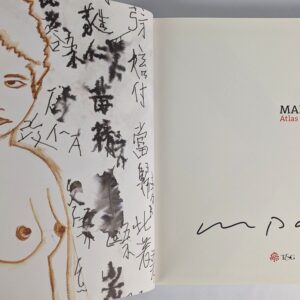

Atlas Monographs
AU$100 Read MoreAdd to cartMax Pam
Sydney: T&G Publishing, 2009.“Atlas Monographs is a compression of eight travel journals, beginning with Pam’s most recent work (Karakoram 2006) and shifting back through the decades to his first journals begun in 1970. The journals map, through text, photo and marks on paper his engagement with the cultures he has travelled through. Just as importantly, the journals provided the engine room for his development as a photographer, a writer and an artist. Max Pam is one of Australia’s most important contemporary photographers. Working as a professional since the early 1970s he is among a handful of Australians to make a substantial impact on the intensely competitive international photographic scene.” (publisher’s blurb) This copy signed by Pam.
-
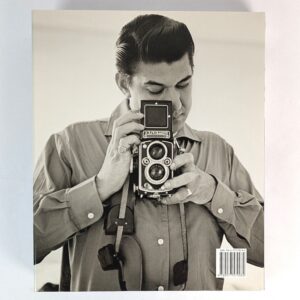
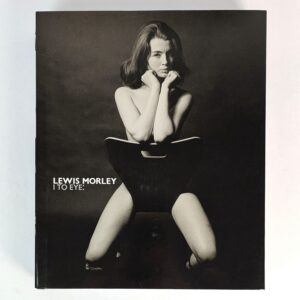
I to Eye
AU$100 Read MoreAdd to cartLewis Morley
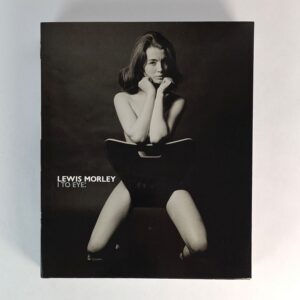
Sydney: T&G Publishing, 2011.“In a career that has spanned some 50 years, Lewis Morley has worked with equal ease in theatre, fashion, portraiture, magazine photography and documentary reportage. His body of work, particularly his portraits of key figures of 1960s London, is highly recognised, and with his famous photo of Christine Keeler naked upon a chair, Morley produced an image that is probably one of the most memorable, and most copied, of any photographs of any time.” (publisher’s blurb)
-
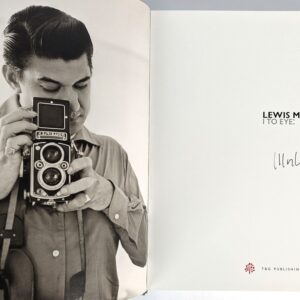
I to Eye
AU$200 Read MoreAdd to cartLewis Morley
Sydney: T&G Publishing, 2011.“In a career that has spanned some 50 years, Lewis Morley has worked with equal ease in theatre, fashion, portraiture, magazine photography and documentary reportage. His body of work, particularly his portraits of key figures of 1960s London, is highly recognised, and with his famous photo of Christine Keeler naked upon a chair, Morley produced an image that is probably one of the most memorable, and most copied, of any photographs of any time.” (publisher’s blurb) This copy signed by Morley to the title page.
-
Ducati: A Photographic Tribute (Limited Edition)
AU$2,500 Read MoreAdd to cartPhil Aynsley
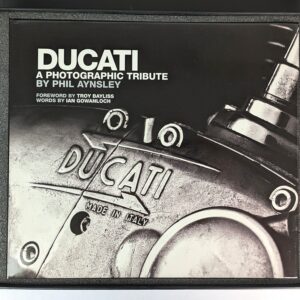
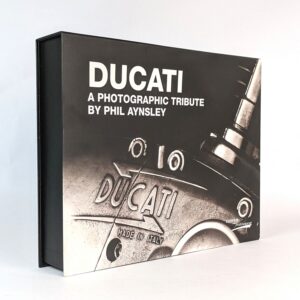
Sydney: ANP Press / GTI Media, 2009.Limited Edition box set, being 1 of 100 copies with 3 silver gelatin photographs signed and numbered by the photographer together with a signed and numbered certificate, and signed and numbered copy of the book which is also signed by 3 time World Superbike champion Troy Bayliss, housed together in a custom box. A pictorial tribute to the Ducati motorcycle by Australian photographer Phil Aynsley.
-
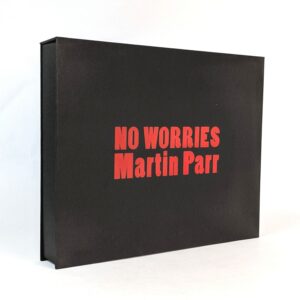
No Worries (Limited Edition 2)
AU$2,500 Read MoreAdd to cartMartin Parr
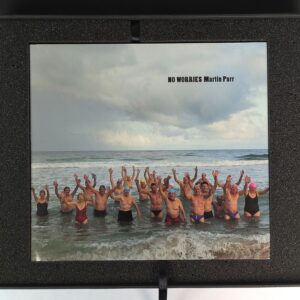
Sydney: T&G Publishing, 2011.Limited Edition box set, being 1 of 50 copies with 1 pigment print signed and numbered by the photographer together with a signed and numbered certificate, and copy of the book, housed together in a custom papered box. The first major project of the British Magnum photographer in Australia, documenting three Western Australian port cities.
-
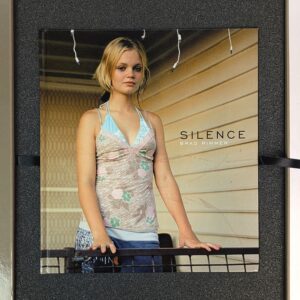
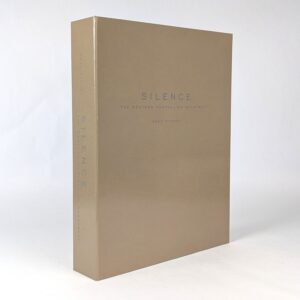
Silence: The Western Australian Wheatbelt (Limited Edition)
AU$2,000 Read MoreAdd to cartBrad Rimmer
Sydney: T&G Publishing, 2010.Limited Edition box set, being 1 of 50 copies with 2 chromogenic photographic prints on Fuji Crystal Archive Flex, signed and numbered by the photographer together with a signed and numbered certificate, and a signed and numbered copy of the book, housed together in a custom pictorial box.
-
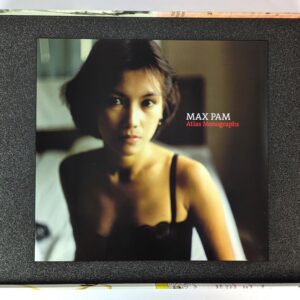
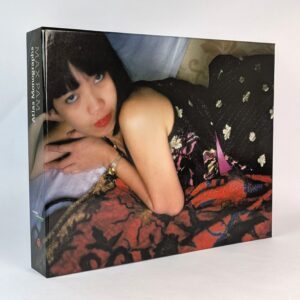
Atlas Monographs (Limited Edition 2)
AU$3,000 Read MoreAdd to cartMax Pam
Sydney: T&G Publishing, 2009.Edition 2 of the limited edition, being 1 of 50 copies with 4 chromogenic photographic prints on Fuji Crystal Archive Flex, signed and numbered by the photographer together with a signed and numbered certificate print housed in a custom folder, and a signed and numbered copy of the book, housed together in a custom pictorial box.
-
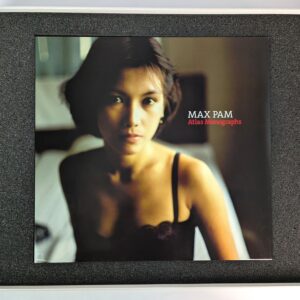
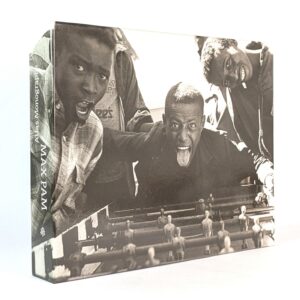
Atlas Monographs (Limited Edition 1)
AU$2,000 Read MoreAdd to cartMax Pam
Sydney: T&G Publishing, 2009.Edition 1 of the limited edition, being one of 150 copies with a signed and numbered silver gelatin photograph together with a signed and numbered certificate print housed in a custom folder, and a signed and numbered copy of the book, housed together in a custom pictorial box.
-
The Naturalised Flora of South Australia
AU$150 Read MoreAdd to cartJ. M. Black
Adelaide: J. M. Black, 1909. -
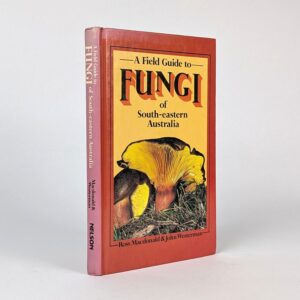
A Field Guide to Fungi of South-Eastern Australia
AU$80 Read MoreAdd to cartRoss McDonald; John Westerman
Melbourne: Thomas Nelson, 1979. -


The Bike From Hell
AU$50 Read MoreAdd to cartAlex R. Stuart
London: New English Library, 1973.Pulp biker novel.
-
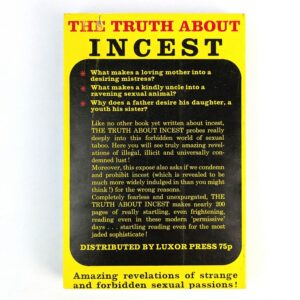
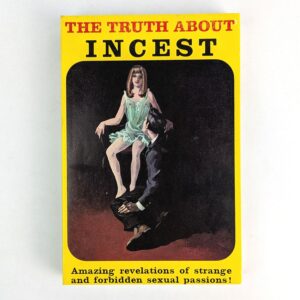
The Truth About Incest
AU$50 Read MoreAdd to cartDaniel Hawkes
London: Luxor Press, 1971.Sexploitation pulp sensational sexological study of incestuous relationships.
-
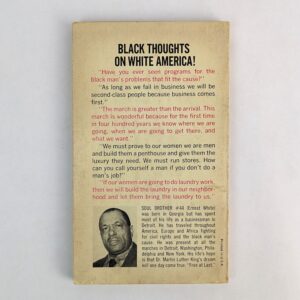
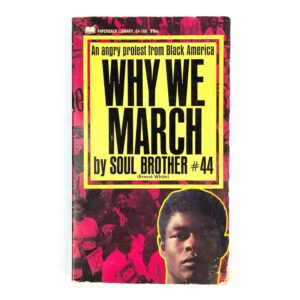
Why We March
AU$30 Read MoreAdd to cartSoul Brother #44 (Ernest White)
New York: Paperback Library, 1969.“An angry protest from Black America.”
-
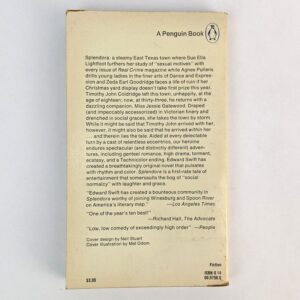
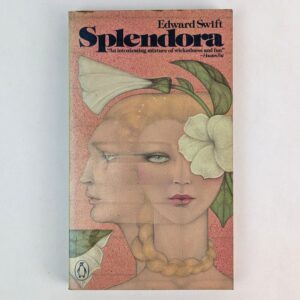
Splendora
AU$20 Read MoreAdd to cartEdward Swift
London: Penguin, 1981.“Splendora: a steamy East Texas town where Sue Ella Lightfoot furthers her study of sexual motives with every issue of Real Crime magazine while Agnes Pullens drills young ladies in the finer arts of Dance and Expression and Zeda Earl Goodridge faces a life of ruin if her Christmas yard display doesn’t take first prize this year. Timothy John Coldrige left this town, unhappily, at the age of eighteen; now, at thirty-three, he returns with a dazzling companion, Miss Jessie Gatewood. Draped (an impeccable accessorized) in Victorian finery and drenched in social graces, she takes the town by storm.”
-
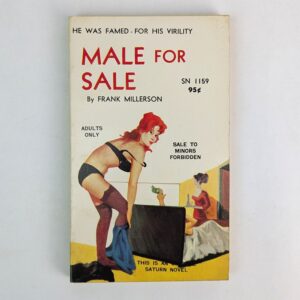
Male for Sale
AU$40 Read MoreAdd to cartFrank Millerson
United States: Saturn, 1967.20th century American pulp smut fiction. SN 1159.
-
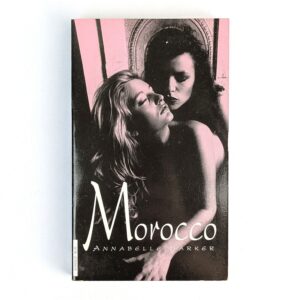
Morocco
AU$30 Read MoreAdd to cartAnnabelle Barker
New York: Rosebud, 1997. -
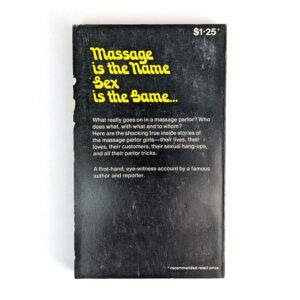
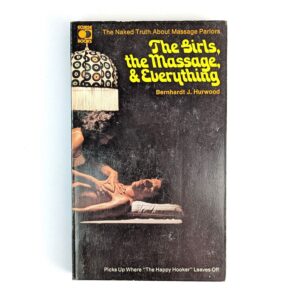
The Girls, the Massage, and Everything
AU$20 Read MoreAdd to cartBernhardt J. Hurwood
Sydney: Eclipse Paperbacks, 1973.The naked truth about massage parlors.
-
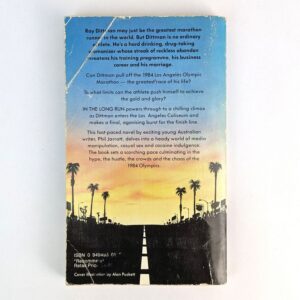
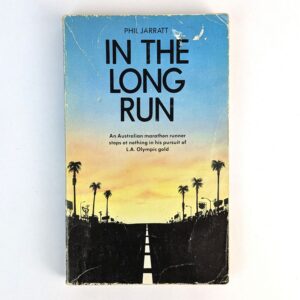
In The Long Run
AU$30 Read MoreAdd to cartPhil Jarratt
Sydney: James Fraser, 1984.“An Australian marathon runner stops at nothing in his pursuit of LA Olympic gold.”
-
The Wasted Years
AU$30 Read MoreAdd to cartJess Stearn
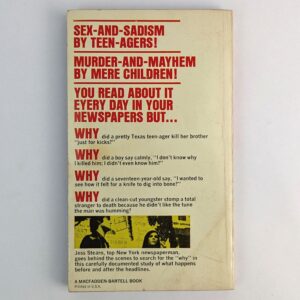
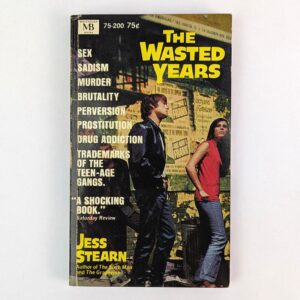
New York: Macadden-Bartell, 1968.“Sex, sadism, murder, brutality, perversion, prostitution, drug addiction. Trademarks of the teen-age gangs.”
-
Run, Little Leather Boy
AU$120 Read MoreAdd to cartLarry Townsend
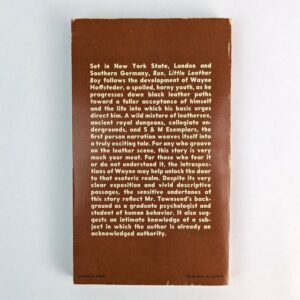
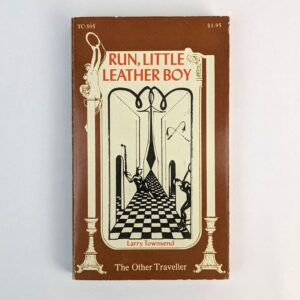
New York: The Olympia Press, 1971.SM leather gay pulp. The Other Traveller, the gay imprint of Olympia’s The Traveller’s Companion. TC-505.
-
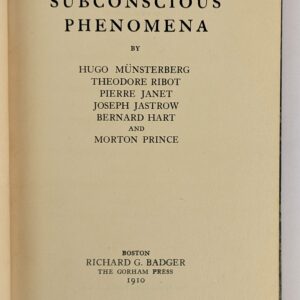
Subconscious Phenomena
AU$125 Read MoreAdd to cartHugo Munsterberg; Theodore Ribot; Joseph Jastrow; Pierre Janet; Bernard Hart; Morton Prince
Boston: Richard G. Badger, The Gorham Press, 1910.Collective effort by a number of psychologists and physicians to come to a consensus on the psychological definition of subconscious phenomena.
-
Manners and Customs in Manchoukuo
AU$1,000 Read MoreAdd to cartMasatoshi Kobayashi; Noboru Hidaka
Manchoukuo: The Manchuria Daily News, 1942.A detailed and thoroughly illustrated guide in English to life and culture in Manchuria. Published at the height of WWII, depicting a completely normal world inside the Japanese puppet state with chapters on races and tribes, costumes, residential houses, food and drink, salutation and etiquette, tastes and pastimes, annual festivals, religions, symbols of religious faith, and happy and unhappy affairs.
-
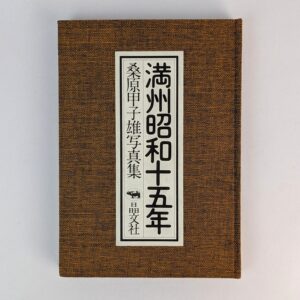
![[Manshu Showa Jugonen: Kuwabara Kineo shashin shu]](https://www.thebookmerchantjenkins.com/wp-content/uploads/0035651-300x300.jpg)
[Manshu Showa Jugonen: Kuwabara Kineo shashin shu]
AU$200 Read MoreAdd to cartKineo Kuwabara
Tokyo: Shobunsha, 1974.Photobook by Japanese photographer Kineo Kuwabara (1913-2007) documenting his trip to Manchuria in 1940.
-
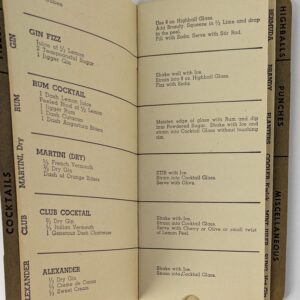
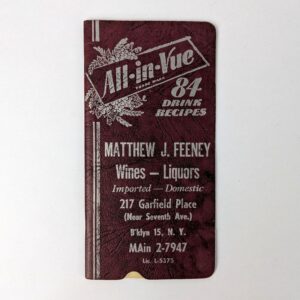
All-in-Vue 84 Drink Recipes
AU$80 Read MoreAdd to cartMatthew J. Feeney
New York: Matthew J. Feeney, No date.Cocktail and bar guide mainly compiled from The Professional Bartenders guide and distributed in various wrappers as promotional material for bars and booze businesses. Here with the wrappers for Brooklyn wine importer Matthew J. Feeney. Includes quick sight tabs for cocktails, fizzes, rickeys, highballs, punches, and more. Also facts about wine, canapes, garnishes, etc.
-
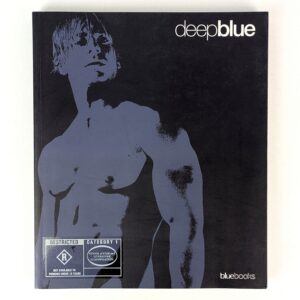
Deep Blue
AU$200 Read MoreAdd to cartBrad Johnston
Sydney: Studio Magazines, 2004.A special issue of Not Only Blue celebrating masculine sexuality featuring photography too explicit for the magazine. (not only) Blue was a glossy coffee table art magazine produced between 1995 and 2007 by Studio Magazines in Sydney, who also published the successful photography magazine, Black+White. “Blue’s agenda is to showcase artists whose work is an authentic representation of gay relationships, gay lifestyles and gay issues” (Blue’s editorial statement) and it did so in a large format filled with nude and semi nude art photography. The premiere issue featured William Yang, Tom Bianchi, Pierre et Gilles, Edmund White, Fiona McGregor, and Ian Roberts, and over its 12 year history featured work from top photographers and features on artists and celebrities including Robert Mapplethorpe, Leigh Bowery, Boy George, Erwin Olaf, k.d. lang, Bruce of LA, Dennis Rodman, Elton John, John Waters, Karl Lagerfield, Jeffrey Smart, Yukio Mishima, Paul Cadmas, William S. Burroughs, George Platt Lynes, Gilbert and George, Rupert Everett, Uma Thurman, Wilhelm von Gloeden and countless others.
-
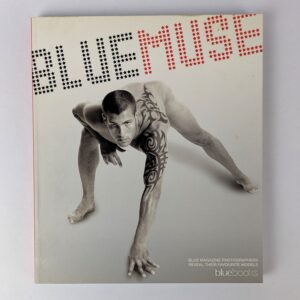
Blue Muse: Blue Magazine Photographers Reveal Their Favourite Models
AU$100 Read MoreAdd to cartMarcello Grand
Sydney: Studio Magazines, 2006.(not only) Blue was a glossy coffee table art magazine produced between 1995 and 2007 by Studio Magazines in Sydney, who also published the successful photography magazine, Black+White. “Blue’s agenda is to showcase artists whose work is an authentic representation of gay relationships, gay lifestyles and gay issues” (Blue’s editorial statement) and it did so in a large format filled with nude and semi nude art photography. The premiere issue featured William Yang, Tom Bianchi, Pierre et Gilles, Edmund White, Fiona McGregor, and Ian Roberts, and over its 12 year history featured work from top photographers and features on artists and celebrities including Robert Mapplethorpe, Leigh Bowery, Boy George, Erwin Olaf, k.d. lang, Bruce of LA, Dennis Rodman, Elton John, John Waters, Karl Lagerfield, Jeffrey Smart, Yukio Mishima, Paul Cadmas, William S. Burroughs, George Platt Lynes, Gilbert and George, Rupert Everett, Uma Thurman, Wilhelm von Gloeden and countless others. This special issue features short descriptions of some of Blue photographers favourite models, of course accompanied by numerous images.
-
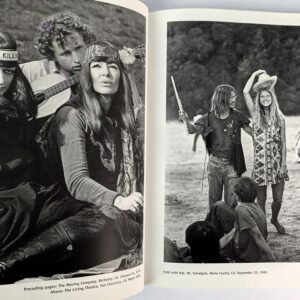
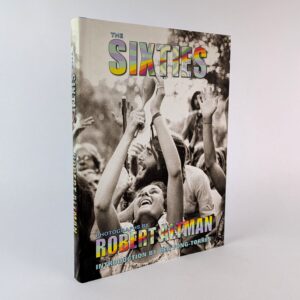
The Sixties
AU$50 Read MoreAdd to cartRobert Altman
Santa Monica: Santa Monica Press, 2007. -
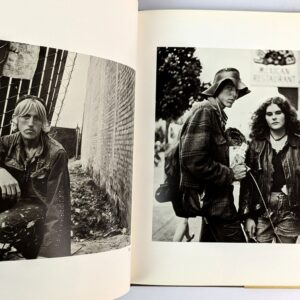
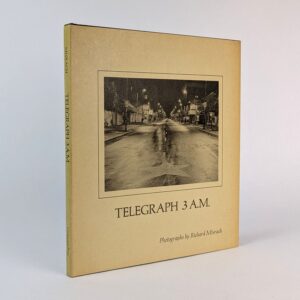
Telegraph 3 A.M.: The Street People of Telegraph Avenue, Berkeley, California
AU$400 Read MoreAdd to cartRichard Misrach
Berkeley: Cornucopia Press, 1974.First photobook of American photographer Richard Misrach (1949-), being street photography of the homeless residents of Telegraph Avenue in Berkeley, California.
-
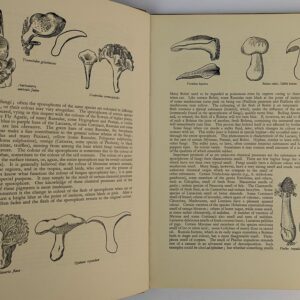
Atlas of Fungi
AU$30 Read MoreAdd to cartK. Kavina
London: Lincolns-Prager, 1947. -
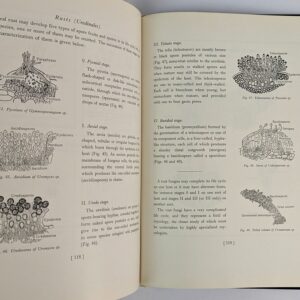
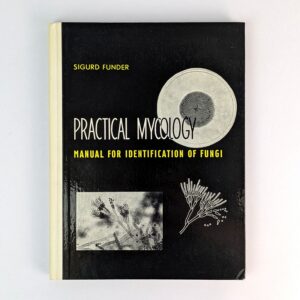
Practical Mycology: Manual for Identification of Fungi
AU$80 Read MoreAdd to cartSigurd Funder
New York and Kingston-Upon-Thames: Hafner Publishing Company, 1968. -
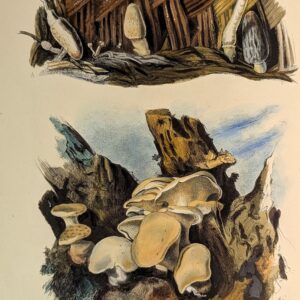
A Treatise on the Esculent Funguses of England,
AU$1,000 Read MoreAdd to cartCharles David Badham
London: Reeve Brothers, 1847.Containing an Account of their Classical History, Uses, Characters, Development, Structure, Nutritious properties, Modes of Cooking and Preserving, &c.,.
-
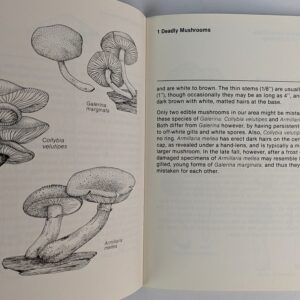
A Guide to the Poisonous Mushrooms in the Greater New York Area
AU$40 Read MoreAdd to cartThe New York Mycological Society
New York: The New York Mycological Society, 1976. -
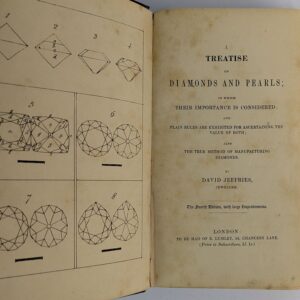
A Treatise on Diamonds and Pearls;
AU$200 Read MoreAdd to cartDavid Jeffries
London: E. Lumley, No date.In which their importance is considered; and plain rules are exhibited for ascertaining the value of both; also the true method of manufacturing diamonds. First published in 1750, being “the first book in English to describe how diamonds and pearls can be evaluated on the basis of the factors of size (or weight) and style of cut”. This edition, while stated as the Fourth Edition, is produced by the London bookseller Edward Lumley sometime in the 19th century, and differs from the fourth edition of 1871 “While resembling the 4th edition, it has been prepared by a different publisher and the contents are drastically re-arranged. The explanation of technical terms omitted in the previous edition (despite its claim to completeness!) is here restored.” SINKANKAS 3203. Though given the career of Lumley it is likely this edition was published prior to the 1871 fourth edition.
-
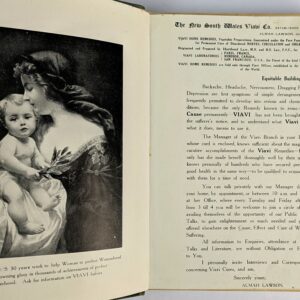
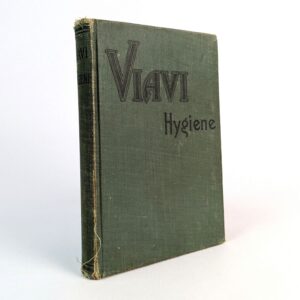
Viavi Hygiene: Explaining the Natural Principles upon which the Viavi System of Treatment for Men, Women and Children is Based.
AU$50 Read MoreAdd to cart[Hartland Law]; [Herbert E. Law]; Almah Lawson
San Francisco: The Viavi Company, 1914.Health guide published by the San Francisco based Law brothers, Hartland and Herbert, who throughout the late 19th century established a line of Viavi medicines growing to an international company with offices around the world, in the process making them two of San Francisco’s most wealthly citizens. This copy with the stamps of the NSW Viavi office and their office address at 350 George St, Sydney in manuscript. Also mounted in at the front endpaper is a 4 page booklet of the New South Wales Viavi Co., with an introductory pitch by branch manager Almah Lawson.
-
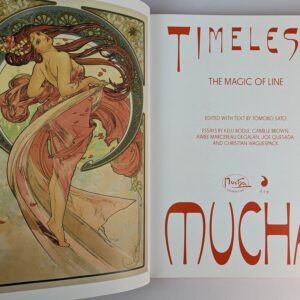
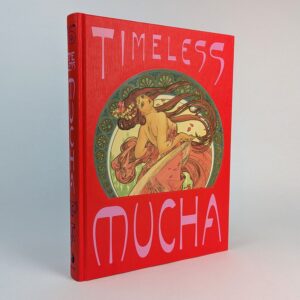
Timeless Mucha: The Magic of Line
AU$125 Read MoreAdd to cartTomoko Sato
New York: Mucha Foundation Publishing, 2025.“This volume reappraises the graphic work of Alphonse Mucha and explores its influence on graphic art since the 1960s. Published in conjunction with a touring exhibition in the US & Mexico, this volume surveys the development of Mucha’s style, synonymous with Art Nouveau. It explores how it was rediscovered by later generations of artists, becoming an artistic idiom for the Psychedelic Art of the 1960s and 1970s as well as a wide range of visual culture from the late 20th century to today. Coinciding with the opening of the new Mucha Museum in the baroque Savarin Palace in Prague, ‘Timeless Mucha’ is organised into three thematic sections: Inspirations for the Mucha Style, Le Style Mucha, and Art Nouveau and The Rebirth of the Mucha Style and Its Legacy. The first two sections focus on Mucha’s artistic development, examining the theoretical basis of Muchas style–famously known as “le style Mucha” in fin-de-siecle Paris–and its context. Tracing the artist’s footsteps from his youth in Moravia through the 1890s, when he attained fame as a poster artist, the first section highlights a selection of works of art, crafts and books from his own collection. The third section explores visual links between Mucha’s artistic idiom and the styles developed by later generations of artists. While Mucha’s style continues to influence today’s visual culture, including fashion, animation movies and computer games, this catalogue also focuses on a philosophical aspect of Mucha’s legacy: the art of message-making.”
-
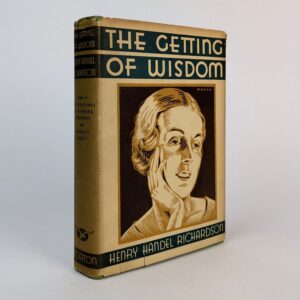
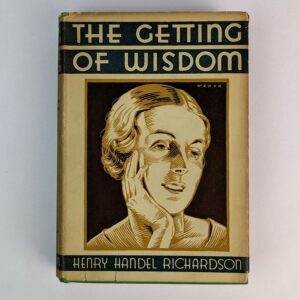
The Getting of Wisdom
AU$500 Read MoreAdd to cartHenry Handel Richardson
New York: W. W. Norton & Company, 1931.First published in 1910, this is the first US printing of the 1931 revised edition of Ethel Florence Lindesay Richardson’s Australian coming of age novel set in an 1890s Melbourne all-girls boarding school. In the original jacket illustrated by Paul Wenck.
-
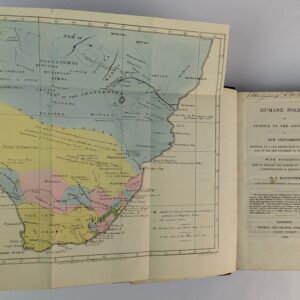
Humane Policy; or Justice to the Aborigines of New Settlements
AU$1,200 Read MoreAdd to cartS. Bannister
London: Thomas and George Underwood, 1830.Saxe Bannister (1790-1877) was the first Attorney-General of New South Wales, though short-lived in the position due to constant clashing with other figures of the new colony, including over the mistreatment of the Aborigines. Though failing to find content in his work he is noted as being philanthropic and humane in his disposition with “a devotion to the welfare of children, convicts, and coloured inhabitants of the Empire” (ADB). Upon returning to England he authored numerous pamphlets on behalf of indigenous people in the colonies, and this, his longest work on the subject, largely devoted to South Africa, though with numerous references from his time in New South Wales. This copy with the armorial bookplate of Fairclough and the Aborigines Protection Society in manuscript at the crown of the title page.
-
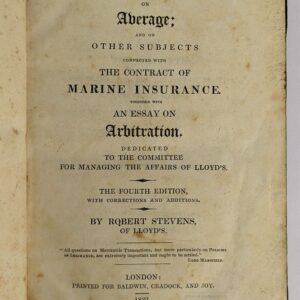
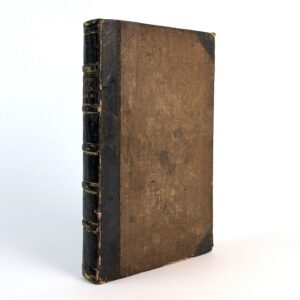
An Essay on Average; and on Other Subjects Connected with the Contract of Marine Insurance
AU$150 Read MoreAdd to cartRobert Stevens, of Lloyd’s
London: Baldwin, Craddock, and Joy, 1822.Together with an Essay on Arbitration. Dedicated to the Committee for Manage the Affairs of Lloyd’s
-
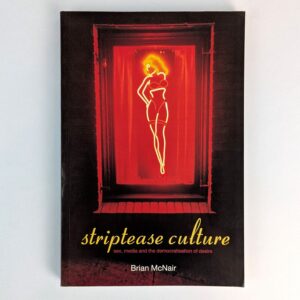
Striptease Culture: Sex, Media and the Democratisation of Desire
AU$30 Read MoreAdd to cartBrian McNair
London and New York: Routledge, 2002. -
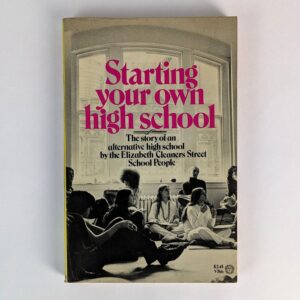
Starting Your Own High School: The Story of an Alternative High School
AU$50 Read MoreAdd to cartElizabeth Cleaners Street School People
New York: Vintage Books, 1972. -
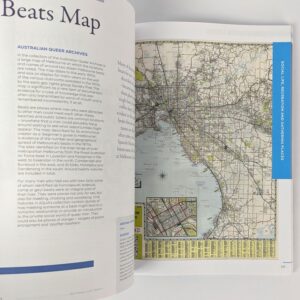
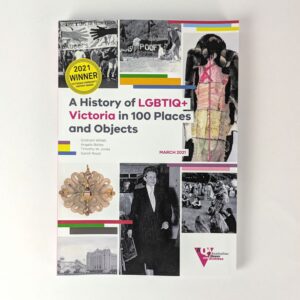
A History of LGBTIQ+ Victoria in 100 Places and Objects
AU$50 Read MoreAdd to cartGraham Willett; Angela Bailey; Timothy W. Jones; Sarah Rood
Melbourne: Australian Queer Archives and Heritage Victoria, 2021.“A History of LGBTIQ+ Victoria in 100 Places and Objects was commissioned by Heritage Victoria to highlight the rich, diverse and unique history of queer communities in Victoria and to demonstrate how these communities are reflected in the places, objects and landscapes that surround us. Lesbian, gay, bisexual, transgender, intersex, queer, asexual, sistergirl and brotherboy (LGBTIQ+) people are, and always have been, an integral part of Victorian social, political and cultural life. However, the experiences and voices of queer communities have not commonly been included in the historical record and, consequently, queer heritage has remained largely invisible. This report identifies 100 places, objects and collections that have specific and unique meaning to Victorias contemporary queer communities. Identifying and exploring the meaning of these places, objects and collections to members of the LGBTIQ+ communities who have suggested them adds depth and richness to Victorias history and heritage. It also makes visible the stories and experiences of communities that have, until recently, been ignored and at times actively persecuted.” (publisher’s blurb)
-
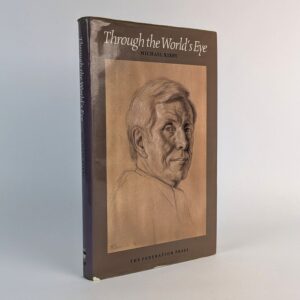
Through the World’s Eye
AU$30 Read MoreAdd to cartMichael Kirby
Sydney: The Federation Press, 2000.Collection of speeches from then Justice of the High Court of Australia Michael Kirby on human rights, the law, and its institutions.
-
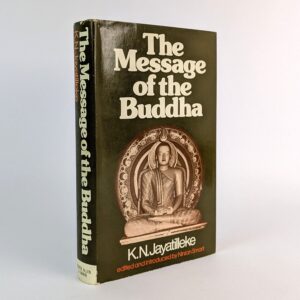
The Message of the Buddha
AU$50 Read MoreAdd to cartK. N. Jayatilleke
London: George Allen & Unwin, 1975.A posthumous work edited by Ninian Smart.
-
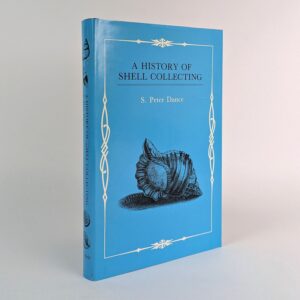
A History of Shell Collecting
AU$100 Read MoreAdd to cartS. Peter Dance
Leiden: E. J. Brill, 1986.Revised edition of Shell Collecting: An Illustrated History (Faber, 1966).
-
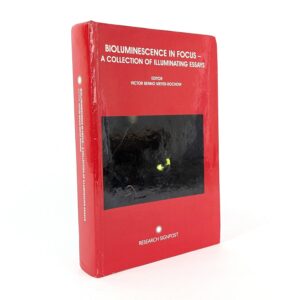
Bioluminescence in Focus: A Collection of Illuminating Essays
AU$50 Read MoreAdd to cartVictor Benno Meyer-Rochow
Trivandrum: Research Signpost, 2009. -
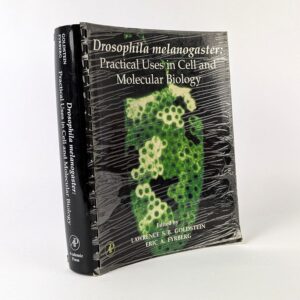
Drosophila melanogaster: Practical Uses in Cell and Molecular Biology
AU$50 Read MoreAdd to cartLawrence S. B. Goldstein; Eric A. Fyrberg
San Diego: Academic Press, 1994. -
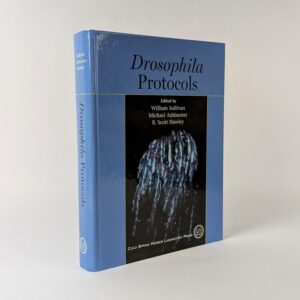
Drosophila Protocols
AU$80 Read MoreAdd to cartWilliam Sullivan; Michael Ashburner; R. Scott Hawley
Cold Spring Harbor: Cold Spring Harbor Laboratory Press, 2000. -
Tonmeister Technology: Recording Environments, Sound Sources, Microphone Techniques
AU$100 Read MoreAdd to cartMichael Dickreiter
New York: Temmer Enterprises, 1989.With 157 tables and illustrations. Translated from the German by Stephen F. Temmer.
-
The Science of Musical Sounds
AU$50 Read MoreAdd to cartJohan Sundberg
San Diego: Academic Press, 1991.Part of the Academic Press Series: Cognition and Perception.
-
Cobweb of Trips: A Literary History of Psychedelics
AU$55 Read MoreAdd to cartRobert Dickins
Vale of Pewsey: Psychedelic Press, 2024.“Cobweb of Trips is a literary history of psychedelics that catches a sublime aesthetic weaving its way through mid-twentieth century Britain and beyond – one which asks how early experimenters sought to find a role for psychedelics in society. Spinning a psychospiritual thread from literature and the history of medicine, this story brings to light how the question of psychedelics, and the trips people had, were animated by the eras cultural transformations. From spiritual reimaginings and scientific novelty, to political agitation and the counterculture of the 1960s, Cobweb of Trips is a poetic thread emerging when the psychedelic experience alighted in modern history.” (publisher’s blurb)
-
If The Walls Could Speak: A Social History of the Mechanics Institutes of Victoria
AU$80 Read MoreAdd to cartPam Baragwanath
Melbourne: Mechanics Institute Inc., 2000. -
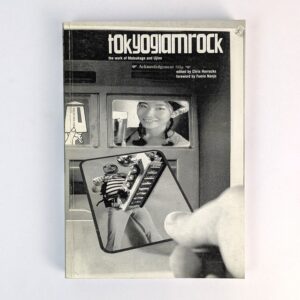
Tokyo GlamRock: The Work of Matsukage and Ujino
AU$40 Read MoreAdd to cartChris Horrocks
: iMMprint, 2002.The art, music and design of the Japanese duo Matsukage and Muneteru Ujino.
-
Queer Writing: Homoeroticism in Jean Genet’s Fiction
AU$50 Read MoreAdd to cartElizabeth Stephens
Basingstoke and New York: Palgrave Macmillan, 2009. -
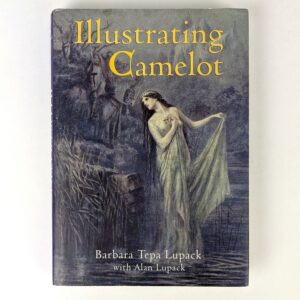
Illustrating Camelot
AU$80 Read MoreAdd to cartBarbara Tepa Lupack; Alan Lupack
Cambridge: D. S. Brewer, 2008. -
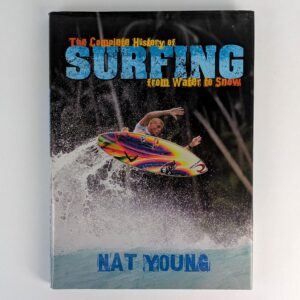
The Complete History of Surfing from Water to Snow
AU$20 Read MoreAdd to cartNat Young
Sydney: Allen & Unwin, 2008. -
Chiang Kai-shek
AU$800 Read MoreAdd to cartHollington K. Tong
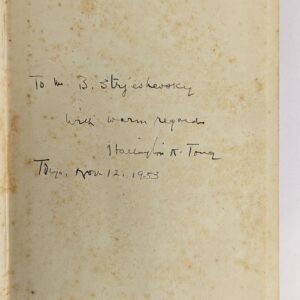
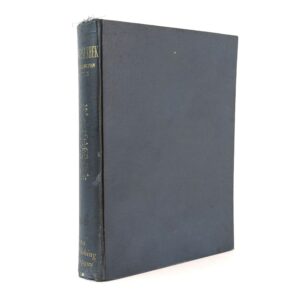
Taipei: China Publishing Company, 1953.The revised edition of Tong’s biography of the Chinese leader. Tong was a journalist and diplomat, serving as the Ambassador of the Republic of China to Japan when this edition was published later as the Ambassador to the United States. This revised edition, published 16 years after the first edition, condenses the story of Chiang Kai-shek’s life pre-1936, which was covered at length in the two volume first edition, and focuses on the epic years which followed, 1937-1953. This copy inscribed by Tong in Tokyo, 1953, to the polyglot Boris Strjeshevsky, an officer in the Imperial Russian Army that fled to China where he learned English and Chinese and taught Russian to the Chinese, before moving to Japan in 1939 where he learned Japanese and taught languages, before finally moving to Queensland, Australia, where he taught Russian at the University of Queensland.
-
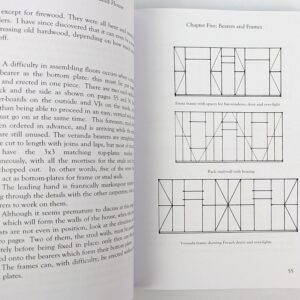
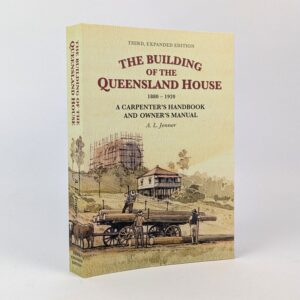
The Building of the Queensland House, 1880-1920: A Carpenter’s Handbook and Owner’s Manual
AU$45 Read MoreAdd to cartAndrew L. Jenner
Brisbane: Andrew L. Jenner, 2015. -
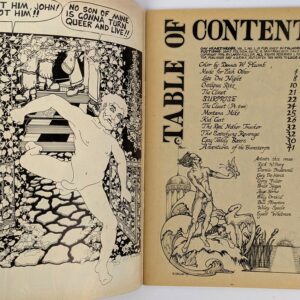
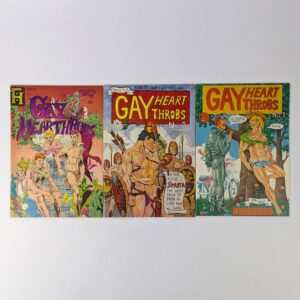
Gay Heart Throbs (3 Issues, Complete)
AU$300 Read MoreAdd to cartLarry Fuller; Mike Kuchar
San Francisco: Fulhorne Productions, Larry Fuller Presents, and Inkwell, Inc., 1976-1981.A complete run of the intermittent and short-lived underground gay erotic comix anthology, the three issues published in 1976, 1979, and 1981. The title is thought to be a reference to the romance comic Heart Throbs. The stories are campy and pornographic. Featuring the work of Larry Fuller, Ray Horne, Mike Kuchar, and many others.
-
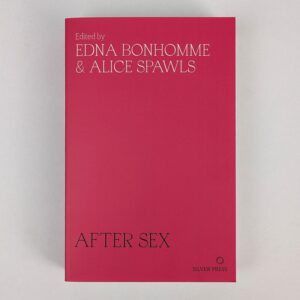
After Sex
AU$35 Read MoreAdd to cartEdna Bonhomme; Alice Spawls
London: Silver Press, 2023.“The last decade has seen a rise in activism and arguments over women’s reproductive freedom reminiscent of the 1960s and 1970s. This title provides personal and political perspectives from the mid-twentieth century to the present day, setting feminist classics alongside contemporary accounts and highlighting the experiences of women of colour and working-class women. Contributors include Nell Dunn, Anne Enright, bell hooks, Ursula K. Le Guin, Audre Lorde and Sally Rooney. These essays, short stories and poems trace past understandings of reproductive freedom and consider what it might look like in future, making urgent connections between womens equality and access to contraception, healthcare and childcare. The writers pay special attention to people — both fictional and real — who have sought control over their sexual lives, and the joy, comedy, difficulties and disappointments that entails. But above all, After Sex testifies to the power of great writing to show us why that freedom is worth pursuing — without shame and without apology.” (publisher’s blurb)
-
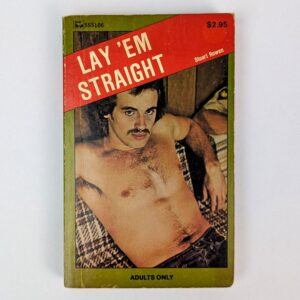
Lay ’em Straight
AU$30 Read MoreAdd to cartStuart Rowen
New York: Surree, 1981.Surree Stud Series gay pulp. SSS106. One of the many gay erotic pulp novels produced in the mid to late 20th century. These short sexually explicit stories, many of which were formulaic and published in easily recognisable series with graphically illustrated covers and titillating titles each targeting a specific sexual niche, demonstrate the breadth of sexual fantasy, occupation, desire, and deviance of the emerging homosexual culture.
-
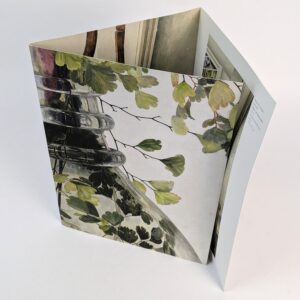
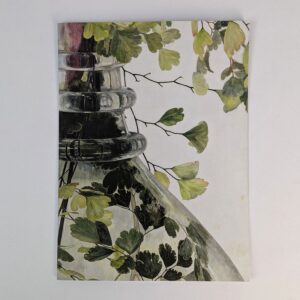
Cressida Campbell: 12 – 28 October, 2017
AU$40 Read MoreAdd to cartCressida Campbell
Brisbane: Philip Bacon Galleries, 2017.Exhibition catalogue exhibiting at Mossgreen, Woollahra.
-
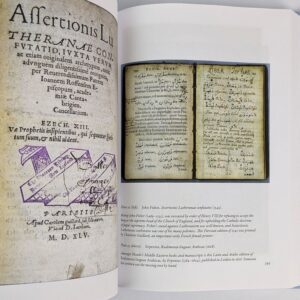
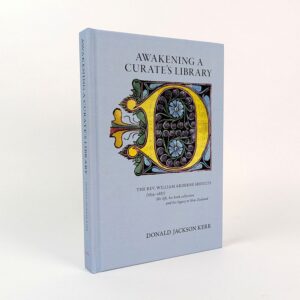
Awakening a Curate’s Library: The Rev. William Arderne Shoults (1839-1887): His Life, His Book Collection, and his Legacy to New Zealand
AU$65 Read MoreAdd to cartDonald Jackson Kerr
: The Bibliographical Society of Australia and New Zealand, 2022.“This book is the first to provide an account of the life of Rev. William Arderne Shoults (1839-1887) and his book collecting. It is also the first detailed examination of a true survivor, his book collection of some 5600 items, including medieval manuscripts, incunables, books on ecclesiastical history and primitive church rites and rituals, philology, bibliography, science, travel, and Arabic and Persian texts. The contents cover Shoults’s early years at St. John’s College, Cambridge University, his work in some of the poorer ritualistic parishes of London, his association with the Rev. Joseph Leycester Lyne (1837-1908), the controversial, enthusiastic, revivalist known as ‘Father Ignatius’, his work on Latin hymns, his marriage, and his travel overseas, which included visiting the Vatican Library. After Shoults’s death at 48, his collection was gifted to Selwyn College, Dunedin, arriving in New Zealand in 1893. The survival of this collection is remarkable and it exists as a fine example of what a nineteenth-century curate could collect.” (publisher’s blurb)
-
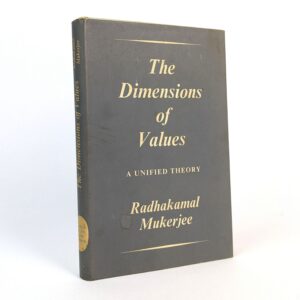
The Dimensions of Values: A Unified Theory
AU$100 Read MoreAdd to cartRadhakamal Mukerjee
London: George Allen & Unwin, 1964.Later economic sociology work of Indian social scientist Radhakamal Mukerjee (1889-1968).