
Prices in AUD. Free Australian delivery for orders over $400. Free international delivery for orders over $800. Read full terms.
Showing 101–200 of 1096 resultsSorted by latest
-
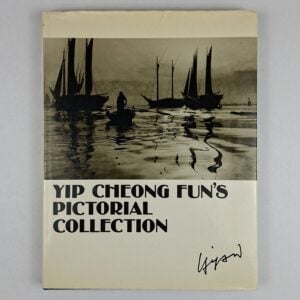
Yip Cheong Fun’s Pictorial Collection
AU$400 Read MoreAdd to cartYip Cheong Fun
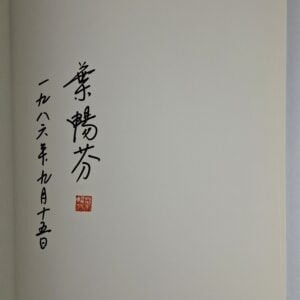
[Singapore]: [Yip Cheong Fun], [1985].Late career monograph of the Singaporean photographer Yip Cheong Fun. This copy signed and dated by the photographer.
-
The Hidden Nude
AU$4,000 Read MoreAdd to cartLewis Morley
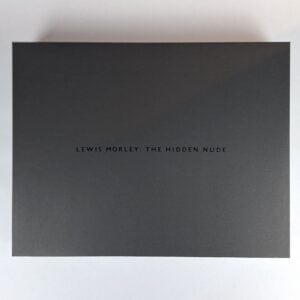
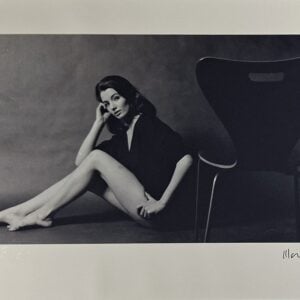
Sydney: T&G Publishing, 2011.Limited Edition of Lewis Morley’s I To Eye with a chromogenic photographic print on Fuji Crystal Archive Flex (40.6cm x 30.5 cm), being a portrait from Morley’s iconic 1963 series with model Christine Keeler, signed and numbered by the photographer in an edition of 150 copies. The print is housed in a custom made folder in turn housed in a custom made box with the book and a large format 8 page booklet/certificate with text by Morley.
-
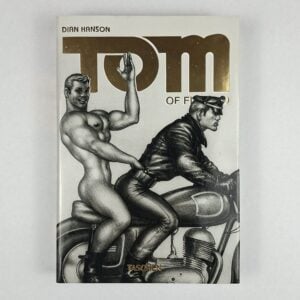
Tom of Finland Volume II: Bikers
AU$100 Read MoreAdd to cartDian Hanson; Tom of Finland
Koln: Taschen, 2012.Collected volume of ToFs Bikers with the reversible panic dust jacket for safe reading on the train.
-
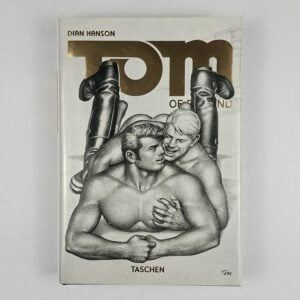
Tom of Finland The Comics Volume I
AU$100 Read MoreAdd to cartDian Hanson; Tom of Finland
Koln: Taschen, 2011.Collected volume of ToFs comic illustration with the reversible panic dust jacket for safe reading on the train.
-

The Practical Handbook of Plant Alchemy
AU$80 Read MoreAdd to cartManfred M. Junius
Rochester: Healing Arts Press, 1993.An Herbalist’s Guide to Preparing Medicinal Essences, Tinctures, and Elixirs.
-
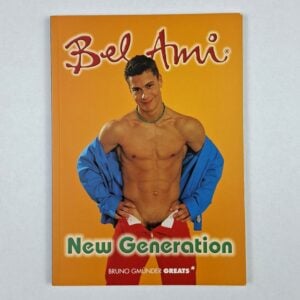
Bel Ami: New Generation
AU$100 Read MoreAdd to cartGeorge Duroy
Berlin: Bruno Gmunder, 2008.BelAmi is a gay pornographic film studio founded in 1993 by the Slovak filmmaker George Duroy, whose pseudonym was taken from the protagonist of Guy de Maupassant’s novel Bel-Ami. Established in the years following the collapse of the Eastern Bloc, the studio became closely associated with performers from Central and Eastern Europe, particularly the Czech Republic, Slovakia, and Hungary, presenting an idealised image of youthful masculine beauty and helping to define the archetype of the Euro-twink in contemporary gay erotica. BelAmi distinguished itself through a polished and often narrative-driven style of filmmaking. Rather than relying solely on a succession of scenes, many productions incorporated simple storylines, characterisation, and location shooting in rural, coastal, and historic European settings, lending the films a degree of atmosphere unusual within the genre at the time. The same aesthetic informed the studio’s extensive publishing programme, including calendars and photobooks produced with Bruno Gmunder Verlag. These publications, combining portraiture, travel imagery, and erotic photography, are striking examples of late twentieth- and early twenty-first-century gay visual culture.
-
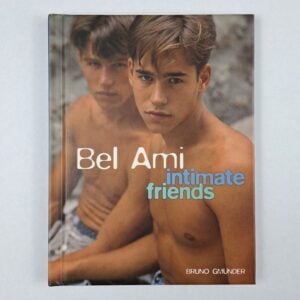
Bel Ami: Intimate Friends
AU$100 Read MoreAdd to cartGeorge Duroy
Berlin: Bruno Gmunder, 2001.BelAmi is a gay pornographic film studio founded in 1993 by the Slovak filmmaker George Duroy, whose pseudonym was taken from the protagonist of Guy de Maupassant’s novel Bel-Ami. Established in the years following the collapse of the Eastern Bloc, the studio became closely associated with performers from Central and Eastern Europe, particularly the Czech Republic, Slovakia, and Hungary, presenting an idealised image of youthful masculine beauty and helping to define the archetype of the Euro-twink in contemporary gay erotica. BelAmi distinguished itself through a polished and often narrative-driven style of filmmaking. Rather than relying solely on a succession of scenes, many productions incorporated simple storylines, characterisation, and location shooting in rural, coastal, and historic European settings, lending the films a degree of atmosphere unusual within the genre at the time. The same aesthetic informed the studio’s extensive publishing programme, including calendars and photobooks produced with Bruno Gmunder Verlag. These publications, combining portraiture, travel imagery, and erotic photography, are striking examples of late twentieth- and early twenty-first-century gay visual culture.
-
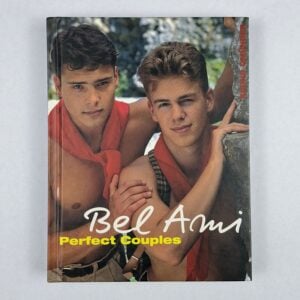
Bel Ami: Perfect Couples
AU$100 Read MoreAdd to cartBel Ami
Berlin: Bruno Gmunder, 1999.BelAmi is a gay pornographic film studio founded in 1993 by the Slovak filmmaker George Duroy, whose pseudonym was taken from the protagonist of Guy de Maupassant’s novel Bel-Ami. Established in the years following the collapse of the Eastern Bloc, the studio became closely associated with performers from Central and Eastern Europe, particularly the Czech Republic, Slovakia, and Hungary, presenting an idealised image of youthful masculine beauty and helping to define the archetype of the Euro-twink in contemporary gay erotica. BelAmi distinguished itself through a polished and often narrative-driven style of filmmaking. Rather than relying solely on a succession of scenes, many productions incorporated simple storylines, characterisation, and location shooting in rural, coastal, and historic European settings, lending the films a degree of atmosphere unusual within the genre at the time. The same aesthetic informed the studio’s extensive publishing programme, including calendars and photobooks produced with Bruno Gmunder Verlag. These publications, combining portraiture, travel imagery, and erotic photography, are striking examples of late twentieth- and early twenty-first-century gay visual culture.
-

All Players
AU$600 Read MoreAdd to cartRick Day
Berlin: Bruno Gmunder, 2012.Large-format photobook of male nudes. The third and concluding volume in Day’s Players series, focussed on the athletic male physique in sporting kit, partial undress, and full nudity, combining selected images from the two earlier volumes with new material.
-

BelAmi: Oversized
AU$500 Read MoreAdd to cartStephan Niederwieser
Berlin: Bruno Gmunder, 2011.BelAmi is a gay pornographic film studio founded in 1993 by the Slovak filmmaker George Duroy, whose pseudonym was taken from the protagonist of Guy de Maupassant’s novel Bel-Ami. Established in the years following the collapse of the Eastern Bloc, the studio became closely associated with performers from Central and Eastern Europe, particularly the Czech Republic, Slovakia, and Hungary, presenting an idealised image of youthful masculine beauty and helping to define the archetype of the Euro-twink in contemporary gay erotica. BelAmi distinguished itself through a polished and often narrative-driven style of filmmaking. Rather than relying solely on a succession of scenes, many productions incorporated simple storylines, characterisation, and location shooting in rural, coastal, and historic European settings, lending the films a degree of atmosphere unusual within the genre at the time. The same aesthetic informed the studio’s extensive publishing programme, including calendars and photobooks produced with Bruno Gmunder Verlag. These publications, combining portraiture, travel imagery, and erotic photography, are striking examples of late twentieth- and early twenty-first-century gay visual culture.
-
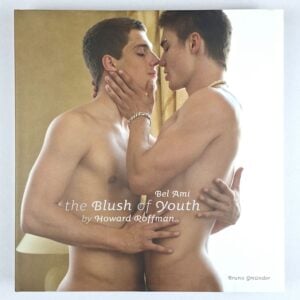
Bel Ami: The Blush of Youth
AU$800 Read MoreAdd to cartHoward Roffman
Berlin: Bruno Gmunder, 2010.BelAmi is a gay pornographic film studio founded in 1993 by the Slovak filmmaker George Duroy, whose pseudonym was taken from the protagonist of Guy de Maupassant’s novel Bel-Ami. Established in the years following the collapse of the Eastern Bloc, the studio became closely associated with performers from Central and Eastern Europe, particularly the Czech Republic, Slovakia, and Hungary, presenting an idealised image of youthful masculine beauty and helping to define the archetype of the Euro-twink in contemporary gay erotica. BelAmi distinguished itself through a polished and often narrative-driven style of filmmaking. Rather than relying solely on a succession of scenes, many productions incorporated simple storylines, characterisation, and location shooting in rural, coastal, and historic European settings, lending the films a degree of atmosphere unusual within the genre at the time. The same aesthetic informed the studio’s extensive publishing programme, including calendars and photobooks produced with Bruno Gmunder Verlag. These publications, combining portraiture, travel imagery, and erotic photography, are striking examples of late twentieth- and early twenty-first-century gay visual culture.
-
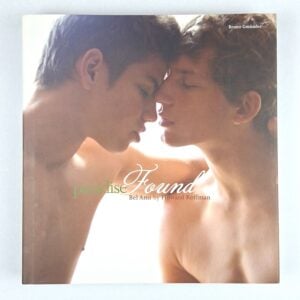
Paradise Found
AU$400 Read MoreAdd to cartHoward Roffman
Berlin: Bruno Gmunder, 2011.BelAmi is a gay pornographic film studio founded in 1993 by the Slovak filmmaker George Duroy, whose pseudonym was taken from the protagonist of Guy de Maupassant’s novel Bel-Ami. Established in the years following the collapse of the Eastern Bloc, the studio became closely associated with performers from Central and Eastern Europe, particularly the Czech Republic, Slovakia, and Hungary, presenting an idealised image of youthful masculine beauty and helping to define the archetype of the Euro-twink in contemporary gay erotica. BelAmi distinguished itself through a polished and often narrative-driven style of filmmaking. Rather than relying solely on a succession of scenes, many productions incorporated simple storylines, characterisation, and location shooting in rural, coastal, and historic European settings, lending the films a degree of atmosphere unusual within the genre at the time. The same aesthetic informed the studio’s extensive publishing programme, including calendars and photobooks produced with Bruno Gmunder Verlag. These publications, combining portraiture, travel imagery, and erotic photography, are striking examples of late twentieth- and early twenty-first-century gay visual culture.
-
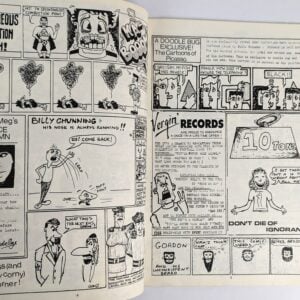
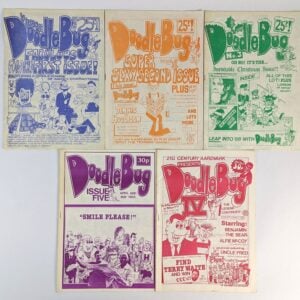
DoodleBug
AU$400 Read MoreAdd to cartRoyston Robertson; Colin Robinson; Criss; Siggy
North Yorkshire: DoodleBug, 1987-88.The first five issues (of eight) of a self-published comic created in North Yorkshire by cartoonist Royston Robertson (b. 1968) with a group of sixth-form friends, in imitation of the recently-successful Viz. Each issue was printed in a run of 1,000 copies and distributed by the group themselves to local shops and pubs. The comic was reviewed in Record Mirror and championed on BBC Radio One by John Peel. Ending after eight issues when Roberston went onto university; he later worked as a journalist and sub-editor at The Times, before becoming a full-time cartoonist in 2004 contributing to Private Eye, The Spectator, and other periodicals. “Hundreds of zany japes about things such as Australians, baseball, beards, bears, beasties, birds, boredom, cartoonists, cliches, cockneys, doors, drugs, eggs, fish, game-shows, Geordies, graffiti, hangovers, Hitler, hooliganism, ignorance, Max Headroom, money, mops, murder, necks, nonsense, noses, nuclear waste, pearls, Picasso, prisons, punctuality, quadrangles, sado-masochism, sex, sex, spiders, spontaneous combustion, suicide, toe nails, tortoises, the obvious, werewolves and yuppies!” (from the cover of No. 1) Unrecorded in OCLC.
-
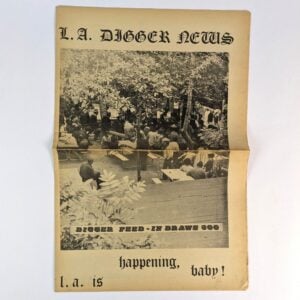
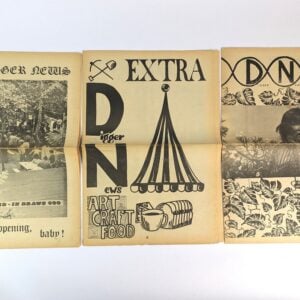
L. A. Digger News; DNA: Digger News Association; Extra Digger News
AU$2,000 Read MoreAdd to cartLos Angeles Diggers
Los Angeles: Los Angeles Diggers, 1967.Complete run of the three issues published by the Los Angeles Diggers, also known as the Digger Creative Society, an underground counterculture group active in Los Angeles during the summer of 1967. The paper changed its title with each issue. Inspired by the San Francisco Diggers but apparently not organisationally linked to them, the Los Angeles group ran a free store, distributed free food, and arranged emergency housing and free medical care in anticipation of a mass influx of hippies to the city over the summer. The papers were distributed free through local head shops with an optional donation, and reported on these activities alongside coverage of love-ins and related events.
-
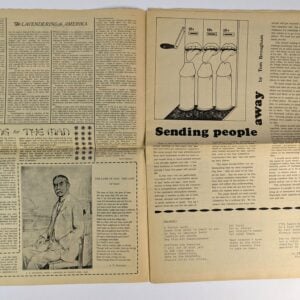
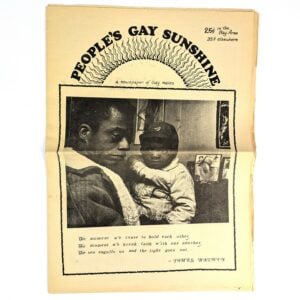
People’s Gay Sunshine: A Newspaper of Gay Males
AU$50 Read MoreAdd to cartPeople’s Gay Sunshine
Berkeley: People’s Gay Sunshine, No date.One-shot California gay newspaper. Cover story on James Baldwin and featuring Allen Ginsberg, Edward Carpenter, an open letter to Tennessee Williams, and more.
-
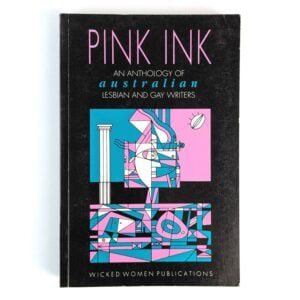
Pink Ink: An Anthology of Australian Lesbian and Gay Writers
AU$50 Read MoreAdd to cartKerry Bashford; Mikey Halliday; Chris Jones; Peter Kerans; Leonie Knight; Jan Moulstone; Wendy Moulstone
Sydney: Wicked Women Publications, 1991.Featuring Xalid Abd-ul-Wahid, Graeme Aitken, Mazz Appleton, Kerry Bashford, Catherine Bateson, Javant Biarujia, Ian C. Birks, Margaret Bradstock, Buffy Bright, Di Brown, Pamela Brown, Fiesta Carrera, Cicada, Rebecca Cox, S. Daalmeyer, Steven Dawson, Campsion Decent, Linda Dement, Gary Dunne, Kathleen Mary Fallon, Mikol Furneaux, Denis Gallagher, Carolyn Gerrish, Mikey Halliday, Susan Hampton, Jen Harrison, Tim Herbert, Lyn Hughes, Giles Hugo, Michael Hurley, Chris Jones, Karl Karlsen, Peter Kerans, Kerry Leves, Ian MacNeill, Frances Marjorie, Manfred Jurgensen, Cynthia Maxwell-Smith, Don Maynard, Dorothy Moore, Jan Moulstone, Wendy Moulstone, Rosslyn Prosser, Dorothy Porter, Gina Schien, Kurt Josef Schranzer, Robert Tompsett, Marky Try, Paul Van Reyk, Natalie Varnish, Louise Wakeling, Linda Weste, and Adrian Weston.
-
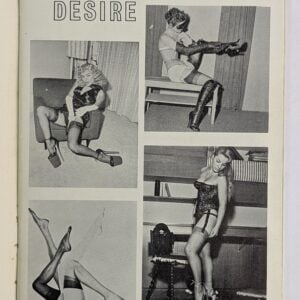
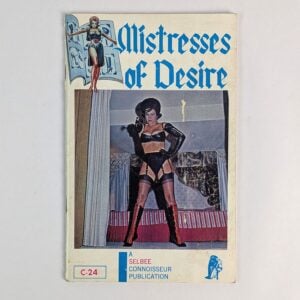
Mistresses of Desire
AU$150 Read MoreAdd to cart[Leonard Burtman]
New York: Selbee Associates, 1964.Fetish photobook of dominating pinup looks in leather, lingerie, and other exotic attire, also featuring Bettie Page, produced by Leonard Burtman’s Selbee Connoisseur, C-24.
-
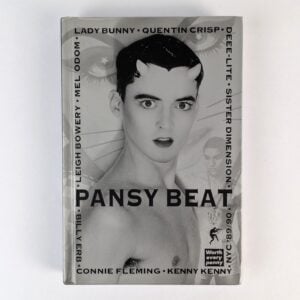
Pansy Beat
AU$200 Read MoreAdd to cartMichael Economy
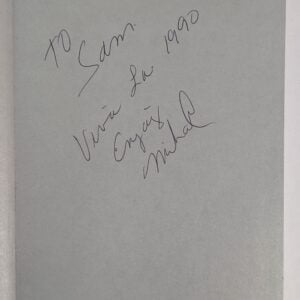
[New York]: KrimsKrams Island, 2017.“Pansy Beat was a short-lived fanzine published by Michael Economy in New York from 1989 to 1990, totalling five quarterly issues. Each issue’s 50-some black-and-white pages documented the exuberant downtown gay and drag club scene of that era and included one free condom. The zine offered a glimpse into an exhilarating alternative universe during the darkest years of the AIDS crisis. Interviews profiled downtown personalities on the verge of global stardom, many still working to this day. Artists such as Lady Bunny, Billy Erb, Connie Fleming, Kenny Kenny, Lady Miss Kier and Larry Tee first shared their memorable selves in print on the pages of Pansy Beat. The zine also featured interviews with Edwige Belmore, Leigh Bowery and Quentin Crisp. This book celebrates Pansy Beat’s brief but influential life, including a reprinting of all five issues in their original format, previously unseen photographs by staff photographer Michael Fazakerley, new full-color artwork by some of the original contributors, plus new essays and interviews.” (publisher’s blurb) This copy inscribed by Michael.
-
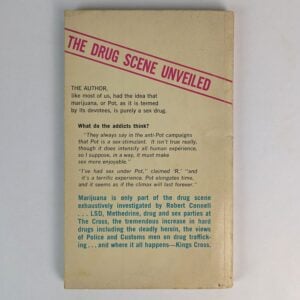
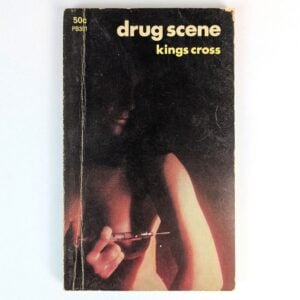
Drug Scene Kings Cross
AU$150 Read MoreAdd to cartRobert W. Connell
Sydney: Scripts, 1967.Pseudo-sociological inquiry into drug use in Kings Cross, Sydney. One of a number of Australian pulps playing into the public’s simultaneous fascination and fear of Sydney’s red light district. Features 4 photographs of a marijuana party and a glossary of drug terms.
-
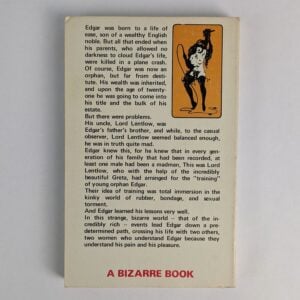
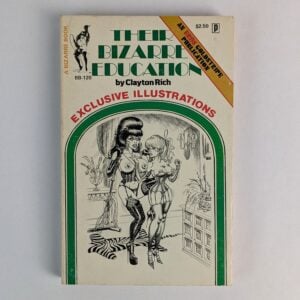
Their Bizarre Education
AU$200 Read MoreAdd to cartClayton Rich
Wilmington: Eros Publishing, 1974.Femdom BDSM pulp. Bizarre Book BB-24. Cover illustration and 12 full page black and with illustrations in the text by Bill Ward.
-
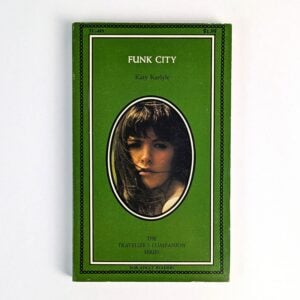
Funk City
AU$150 Read MoreAdd to cartKaty Karlyle
New York: The Olympia Press, 1970.The Traveller’s Companion TC-489. A young artists moves to New York to paint, but also discovers the joys of the flesh, both men and women.
-
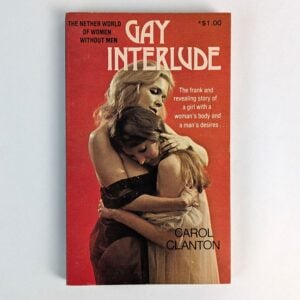
Gay Interlude
AU$100 Read MoreAdd to cartCarol Clanton
Sydney: Scripts, 1973.“The nether world of women without men.” Australian reissue of the 1961 Midwood release. One of the many lesbian pulp novels produced in the mid to late 20th century. Often formulaic and issued in easily recognisable series with suggestive covers and titillating titles, the genre was written largely by male authors under female pseudonyms for a male readership, though a smaller number of authors, some of them lesbian or bisexual women writing under similar pseudonyms, brought more narrative sincerity and psychological depth to the same commercial format. The genre as a whole ranges from outright formulaic titillation to more literary treatments of lesbian relationships within the constraints of the paperback original.
-
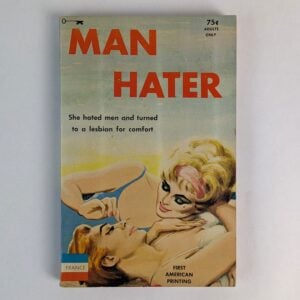
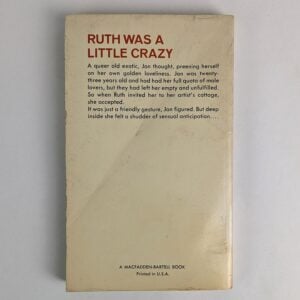
Man Hater
AU$50 Read MoreAdd to cartR. C. Gold
Hollywood: International Publications Inc., 1963.“She hated men and turned to a lesbian for comfort.” France’ Book 1067. One of the many lesbian pulp novels produced in the mid to late 20th century. Often formulaic and issued in easily recognisable series with suggestive covers and titillating titles, the genre was written largely by male authors under female pseudonyms for a male readership, though a smaller number of authors, some of them lesbian or bisexual women writing under similar pseudonyms, brought more narrative sincerity and psychological depth to the same commercial format. The genre as a whole ranges from outright formulaic titillation to more literary treatments of lesbian relationships within the constraints of the paperback original.
-
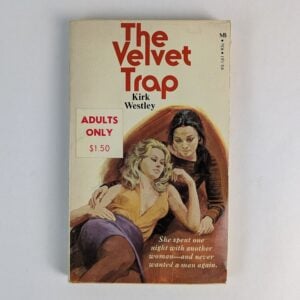
The Velvet Trap
AU$50 Read MoreAdd to cartKirk Westley [Manning Lee Stokes]
New York: Macfadden-Bartell, 1971.“She spent one night with another woman–and never wanted a man again.” Cover illustration by Daryl Greene. One of the many lesbian pulp novels produced in the mid to late 20th century. Often formulaic and issued in easily recognisable series with suggestive covers and titillating titles, the genre was written largely by male authors under female pseudonyms for a male readership, though a smaller number of authors, some of them lesbian or bisexual women writing under similar pseudonyms, brought more narrative sincerity and psychological depth to the same commercial format. The genre as a whole ranges from outright formulaic titillation to more literary treatments of lesbian relationships within the constraints of the paperback original.
-
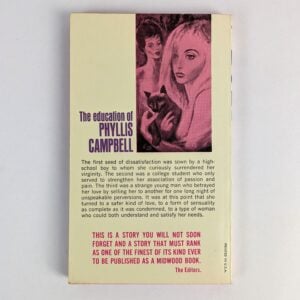
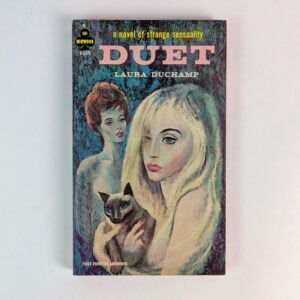
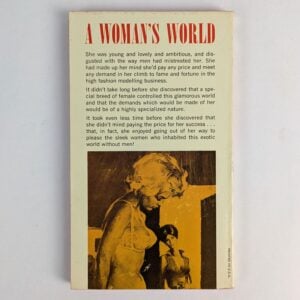
Duet
AU$150 Read MoreAdd to cartLaura Duchamp [Sally M. Singer]
New York: Tower Publications, 1964.Original Midwood paperback. “Laura Duchamp” is attributed to Sally M. Singer, who published over 100 pulp novels under the names March Hastings and Laura Duchamp. This tale centred on a woman dissatisfied with men turning to a woman for true sensuality. Cover illustration by Irv Docktor. One of the many lesbian pulp novels produced in the mid to late 20th century. Often formulaic and issued in easily recognisable series with suggestive covers and titillating titles, the genre was written largely by male authors under female pseudonyms for a male readership, though a smaller number of authors, some of them lesbian or bisexual women writing under similar pseudonyms, brought more narrative sincerity and psychological depth to the same commercial format. The genre as a whole ranges from outright formulaic titillation to more literary treatments of lesbian relationships within the constraints of the paperback original.
-
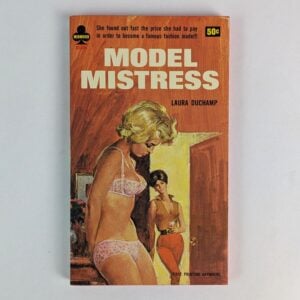
Model Mistress
AU$150 Read MoreAdd to cartLaura Duchamp [Sally M. Singer]
New York: Tower Publications, 1965.Original Midwood paperback. “Laura Duchamp” is attributed to Sally M. Singer, who published over 100 pulp novels under the names March Hastings and Laura Duchamp. This tale centred on a model that will pay any price for success. One of the many lesbian pulp novels produced in the mid to late 20th century. Often formulaic and issued in easily recognisable series with suggestive covers and titillating titles, the genre was written largely by male authors under female pseudonyms for a male readership, though a smaller number of authors, some of them lesbian or bisexual women writing under similar pseudonyms, brought more narrative sincerity and psychological depth to the same commercial format. The genre as a whole ranges from outright formulaic titillation to more literary treatments of lesbian relationships within the constraints of the paperback original.
-
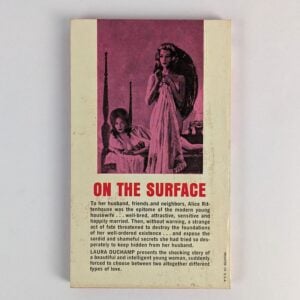
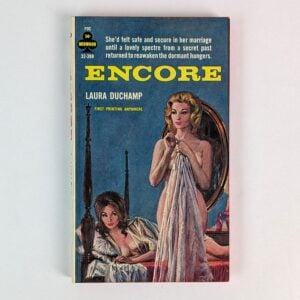
Encore
AU$150 Read MoreAdd to cartLaura Duchamp [Sally M. Singer]
New York: Tower Publications, 1964.Original Midwood paperback. “Laura Duchamp” is attributed to Sally M. Singer, who published over 100 pulp novels under the names March Hastings and Laura Duchamp. This tale centred on a young wife drawn away from her marriage by a female lover. One of the many lesbian pulp novels produced in the mid to late 20th century. Often formulaic and issued in easily recognisable series with suggestive covers and titillating titles, the genre was written largely by male authors under female pseudonyms for a male readership, though a smaller number of authors, some of them lesbian or bisexual women writing under similar pseudonyms, brought more narrative sincerity and psychological depth to the same commercial format. The genre as a whole ranges from outright formulaic titillation to more literary treatments of lesbian relationships within the constraints of the paperback original.
-
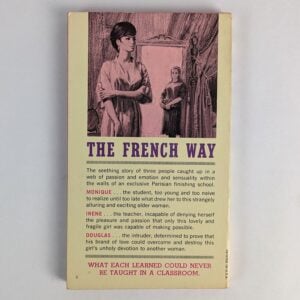
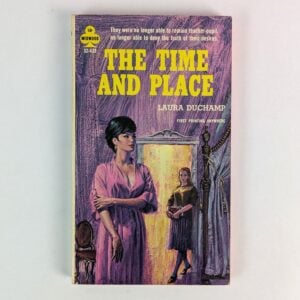
The Time and Place
AU$150 Read MoreAdd to cartLaura Duchamp [Sally M. Singer]
New York: Tower Publications, 1965.Original Midwood paperback. “Laura Duchamp” is attributed to Sally M. Singer, who published over 100 pulp novels under the names March Hastings and Laura Duchamp. A novel of lesbian pulp fiction set in a Parisian finishing school. One of the many lesbian pulps produced in the mid to late 20th century. Often formulaic and issued in easily recognisable series with suggestive covers and titillating titles, the genre was written largely by male authors under female pseudonyms for a male readership, though a smaller number of authors, some of them lesbian or bisexual women writing under similar pseudonyms, brought more narrative sincerity and psychological depth to the same commercial format. The genre as a whole ranges from outright formulaic titillation to more literary treatments of lesbian relationships within the constraints of the paperback original.
-
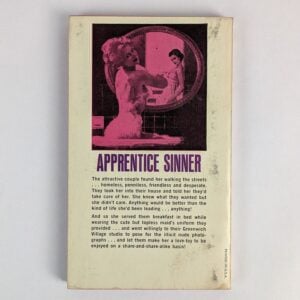
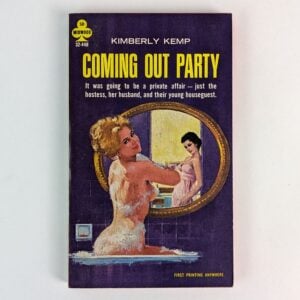
Coming Out Party
AU$150 Read MoreAdd to cartKimberley Kemp [Gilbert Fox]
New York: Tower Publications, 1965.Original Midwood paperback. “Kimberley Kemp” is attributed to Gilbert Fox, who used the name (along with Dallas Mayo) for his lesbian pulp fiction at Midwood, reserving Paul V. Russo for his heterosexual novels for the same house. This tale centred on a young houseguest drawn into an intimate arrangement with her hosts. One of the many lesbian pulp novels produced in the mid to late 20th century. Often formulaic and issued in easily recognisable series with suggestive covers and titillating titles, the genre was written largely by male authors under female pseudonyms for a male readership, though a smaller number of authors, some of them lesbian or bisexual women writing under similar pseudonyms, brought more narrative sincerity and psychological depth to the same commercial format. The genre as a whole ranges from outright formulaic titillation to more literary treatments of lesbian relationships within the constraints of the paperback original.
-
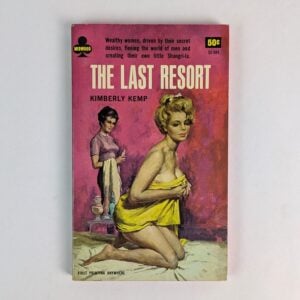
The Last Resort
AU$150 Read MoreAdd to cartKimberley Kemp [Gilbert Fox]
New York: Tower Publications, 1966.Original Midwood paperback. “Kimberley Kemp” is attributed to Gilbert Fox, who used the name (along with Dallas Mayo) for his lesbian pulp fiction at Midwood, reserving Paul V. Russo for his heterosexual novels for the same house. This tale set at a weight-loss resort, where the female guests find one another as well as the diet. Cover illustration by Victor Olson. Midwood later reissued the work under the alternate title Secret Cravings. One of the many lesbian pulp novels produced in the mid to late 20th century. Often formulaic and issued in easily recognisable series with suggestive covers and titillating titles, the genre was written largely by male authors under female pseudonyms for a male readership, though a smaller number of authors, some of them lesbian or bisexual women writing under similar pseudonyms, brought more narrative sincerity and psychological depth to the same commercial format. The genre as a whole ranges from outright formulaic titillation to more literary treatments of lesbian relationships within the constraints of the paperback original.
-
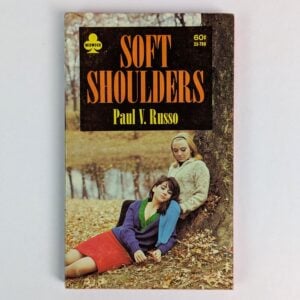
Soft Shoudlers
AU$50 Read MoreAdd to cartPaul V. Russo [Gilbert Fox]
New York: Midwood Enterprises, 1967.Original Midwood paperback. “Paul V. Russo” is attributed to Gilbert Fox, who used the name for his heterosexual novels at Midwood while writing his lesbian pulp fiction under the names Dallas Mayo and Kimberly Kemp for the same house. A novel of female friendship turned gateway to glamour and men, in which the heroine is drawn into a new social world by a new best friend.
-

Women in Love with Women
AU$100 Read MoreAdd to cartKarena Wilton
New York: The Olympia Press, 1971.The usual references to Kinsey, Caprio, PhDs, and The Second Sex dispersed with depictions of lingering touches, moans, and much more. OPS-39.
-
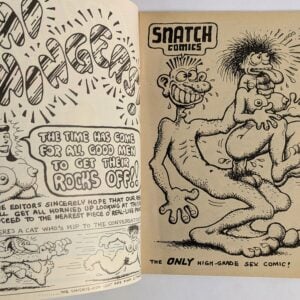
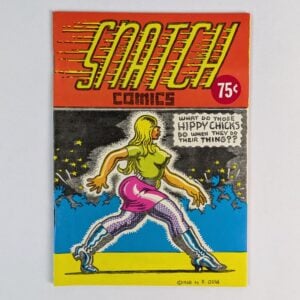
Snatch Comics
AU$100 Read MoreAdd to cartRobert Crumb; S. Clay Wilson
[San Francisco]: [Print Mint], 1968 [1975].Collection of sex themed underground comix by Robert Crumb and S. Clay Wilson.
-
Sandraman the Enemaman
AU$400 Read MoreAdd to cartF. Wakeling; M. Dreer; Sandra Anne
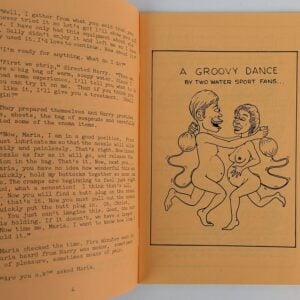
Erin: Sandraman Enterprises, No date.Illustrated erotic contact magazine devoted to enema fetishism and related watersports interests, issued during the 1970s from the same postal address as the fetishwear mail-order business Betty’s. Produced for a highly specialised readership, the publication combined illustrated fantasy narratives, correspondence, and contact-advertisement material centred on klismaphilia, the sexualisation of enemas and related practices. Although the fetish itself long predates its formal medical description, the term “klismaphilia” was coined in 1973 by psychiatrist Dr. Joanne Denko in a published case study examining patients for whom enemas functioned as a sexual preference. Earlier evidence of the practice appears in informal and clinical literature, including data gathered by sexologist Alfred Kinsey and colleagues in their 1953 survey of female sexual behaviour, which recorded enemas among a range of masturbatory techniques and erotic interests. Like many niche fetish publications of the period, Sandraman the Enemaman appears to have been distributed privately through mail-order networks rather than conventional bookselling channels. Survival rates are consequently low, reflecting both the ephemeral nature of the publication and the discretion of its readership. Unrecorded in OCLC.
-
La Femme Dominatas Issue 26
AU$400 Read MoreAdd to cartBenco Publications
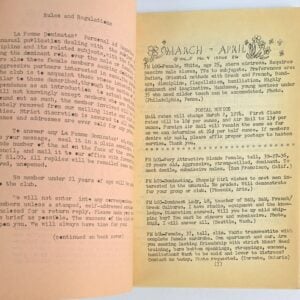
New York: Benco Publications, 1974.Bi-monthly contact newsletter devoted to female domination and associated fetish interests. Typical of the underground personal-contact publications that flourished before the internet, it contains more than one hundred personal advertisements accompanied by suggestive line illustrations, together with advertisements for swingers’ clubs, mail-order fetishwear, specialist adult publications, humour features, and a serialised work of erotic fiction. The final page provides evidence of the publisher’s changing circumstances: the printed address at 152 West 42nd Street, Suite 536, New York, has been cancelled and overstamped with a corrected address for Benco at 130 West 42nd Street, Suite 1305, documenting at least one office relocation during the newsletter’s run. Such ephemeral publications were typically produced in small quantities for a niche readership and were rarely collected by libraries, contributing to their present scarcity. Unrecorded in OCLC.
-
The Story of a Lamp
AU$200 Read MoreAdd to cartLeslie Pinkham
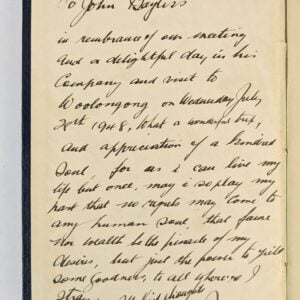
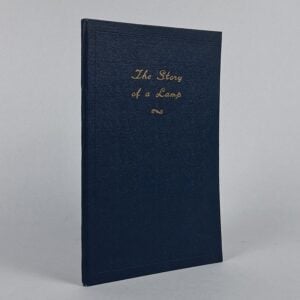
Witham: W. Pinkham & Son, No date.A history of the Pinkham Glove Company of Essex, England, founded by William Pinkham in the late nineteenth century and grown into an international business exporting gloves worldwide before its closure in 1966. Illustrated throughout with photographs of the factory, machinery, and staff at work, with eight colour plates of the company’s cotton simplex and rayon gloves. A single copy recorded in OCLC, at the Smithsonian Libraries and Archives. This copy with a lengthy presentation inscription from Leslie Pinkham to John Bayliss, a production manager at the Australian lingerie manufacturer Berlei, recalling their meeting and a day trip to Wollongong in July 1948.
-
Hid in Prison Houses. An S.O.S. from the Women and Girls of Japan
AU$300 Read MoreAdd to cartJapan Rescue Mission
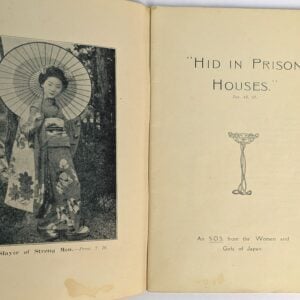
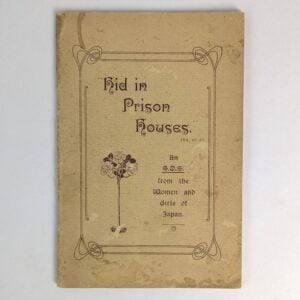
Birkenhead: Japan Rescue Mission, No date.Anti-prostitution fundraising pamphlet issued by the Japan Rescue Mission, founded in 1920 by Christine Penrod, formerly superintendent of the W.C.T.U.’s rescue home at Okubo, Tokyo. The Mission opened its own home in Tokyo the same year, supported by prayer bands in England, Australia, Africa and the United States (The Christian Movement in Japan, Korea and Formosa, 1923, p. 373). This copy carries a typescript imprint directing enquiries and donations to the Brisbane lay preacher William James Tunley, 228 Albert Street, evidence of the Mission’s fundraising network extending to Queensland. A single institutional holding recorded in OCLC, at the British Library.
-
Male Erotic Zones
AU$100 Read MoreAdd to cartSelge Senstrom; Bob Gilmor; Shei Givler
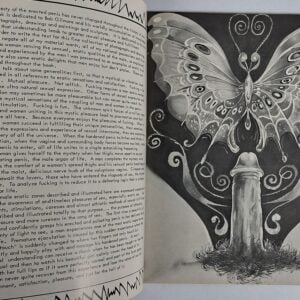
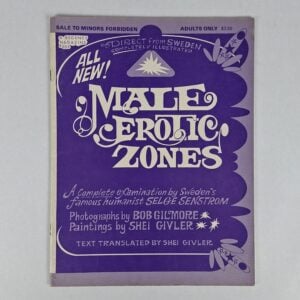
Lemon Grove: Regency Publishing Co., No date.A Swedish sexological study of the penis with an alternative 1970s aesthetic: “A complete examination by Sweden’s famous humanist Selge Senstrom”. Illustrated with photographs by Bob Gilmore and paintings by Shei Givler. Regency Magazine #059.
-
Ce Soir… Catalogue – Catalogus
AU$200 Read MoreAdd to cartCe Soir; Alain Verdier
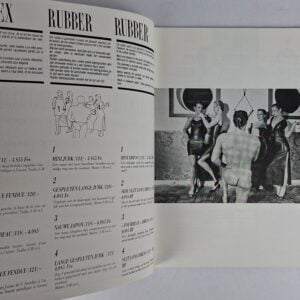
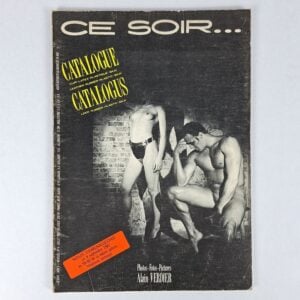
Brussels: Ce Soir, 1982.1980s catalogue of latex, rubber, and plastic fetishwear for men and women by Belgian label Ce Soir, photographed by Alain Verdier. Pricelist laid in.
-
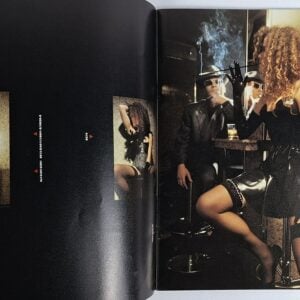
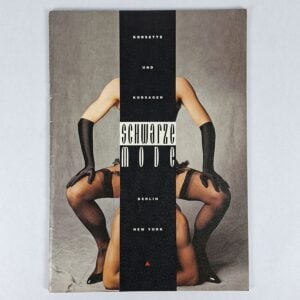
Korsetts und Korsagen
AU$100 Read MoreAdd to cartSchwarze Mode
Berlin: Schwarze Mode, No date.Catalogue of corsets and bustiers by German boutique Schwarze Mode.
-
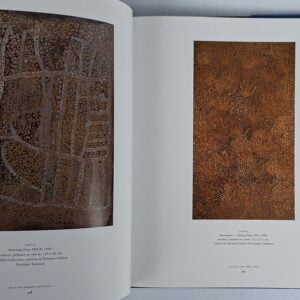
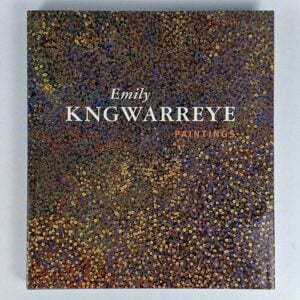
Emily Kngwarreye Paintings
AU$300 Read MoreAdd to cartEmily Kngwarreye
Sydney: Craftsman House, 1998.Monograph of Anmatyerre painter Emily Kame Kngwarreye (c. 1910-1996). With contributions by Jennifer Isaacs, Terry Smith, Judith Ryan, Donald Holt, and Janet Holt.
-
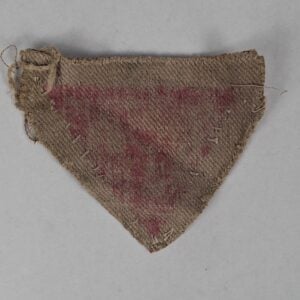
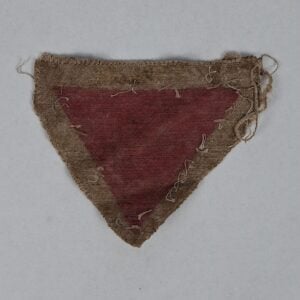
Pink Triangle Concentration Camp Prisoner-Identification Badge
AU$2,500 Read MoreAdd to cartGermany: , c. 1937-1945.
Beginning in 1937 the SS marked concentration camp prisoners with colour-coded inverted cloth triangles sewn to the uniform, denoting the official grounds for imprisonment. The pink triangle marked prisoners categorised by the SS as homosexual. Prisoners so marked were, by multiple survivor and historical accounts, subject to particularly severe treatment within the camp hierarchy. The symbol was reclaimed from the 1970s onward as a symbol of gay liberation and pride. Surviving examples of the badge are held in institutional collections including the United States Holocaust Memorial Museum and the Arolsen Archives; comparatively few are thought to survive outside institutional hands. This example has been stored for a number of decades in the warehouse of London Judaica dealer Jonathan Fishburn (Fishburn Books), and was acquired at Firsts London 2026.
-
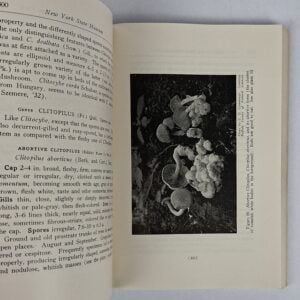
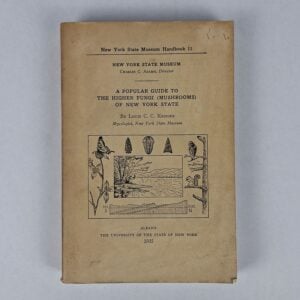
A Popular Guide to the Higher Fungi (Mushrooms) of New York State
AU$80 Read MoreAdd to cartLouis C. C. Krieger
Albany: The University of the State of New York, 1935. -

Pastoral Australia: Fortunes, Failures & Hard Yakka: A Historical Overview, 1788-1967
AU$50 Read MoreAdd to cartMichael Pearson; Jane Lennon
Canberra: CSIRO Publishing, 2010. -
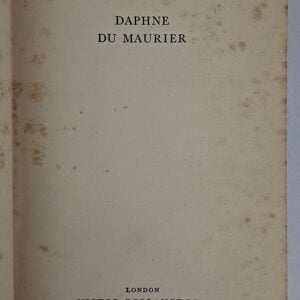
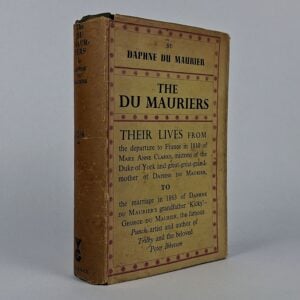
The du Mauriers
AU$100 Read MoreAdd to cartDaphne du Maurier
London: Victor Gollancz, 1937.First edition in the original jacket.
-
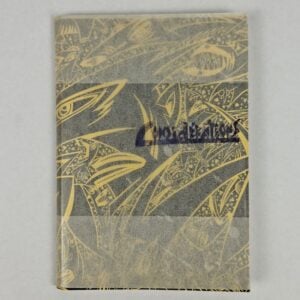
Considerations
AU$200 Read MoreAdd to cartMirka Lugosi
Paris: A.P.A.A.R., 1987.The first publication of France-based Romanian-born artist Mirka Lugosi (1958-), a collection of sexuality themed black and white drawings from the 1980s issued in an edition of 250 copies.
-
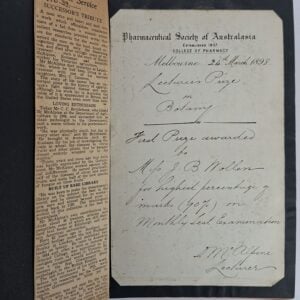
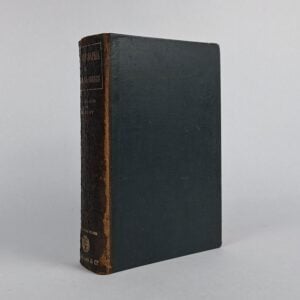
Pharmacographia: A History of the Principal Drugs of Vegetable Origin, met with in Great Britain and British India
AU$60 Read MoreAdd to cartFriedrich A. Fluckiger; Daniel Hanbury
London: Macmillan and Co., 1879.Includes section on cannabis. This copy with a Pharmaceutical Society of Australasia College of Pharmacy award plate dated 1898 presented to Miss J. B. Wollen in manuscript with the autograph signature of Daniel McAlpine, a clipping relating to the latter laid in.
-
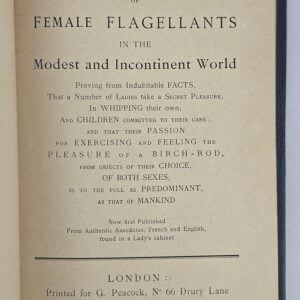
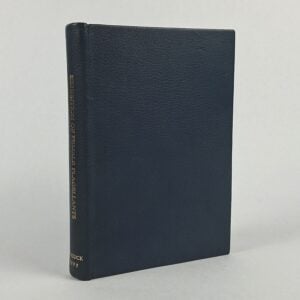
Exhibition of Female Flagellants Parts I and II; Lady Bumtickler’s Revels
AU$200 Read MoreAdd to cartAnonymous
London [Tours]: G. Peacock [Imp. E. Arrault et Cie], 1777, 1785, and n.d. [1907].The first three of the seven parts of The Library Illustrative of Social Progress, here reset as a single composite volume. The series was issued clandestinely by John Camden Hotten around 1872, each part under its own false London imprint (1777, 1785, and undated respectively), and a fabricated editorial pedigree: Hotten claimed the texts came “from the original editions collected by” the historian Henry Thomas Buckle. Ashbee in the Index Librorum Prohibitorum disputes this asserting that the volumes had in fact been reprinted, without permission, from a private collection, likely his. This is not Hotten’s printing but a later resetting of these three parts, without plates, continuously paginated where Hotten’s originals are separate. The text carries a false Paris bookselling address on the wrappers but a genuine printer’s mark at the tail of the final page (Imp. E. Arrault et Cie, of Tours, dated 4 March 1907) placing actual production in provincial France some thirty-five years after Hotten’s original printing, behind both an invented London title-page imprint and an invented Paris point of sale. Not in Mendes. Ashbee discusses the constituent texts at length in the Index Librorum Prohibitorum, vol. I.
-
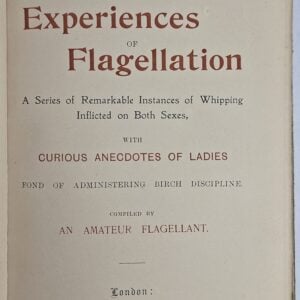
Experiences of Flagellation: A Series of Remarkable Instances of Whipping Inflicted on Both Sexes, with Curious Anecdotes of Ladies Fond of Administering Birch Discipline
AU$100 Read MoreAdd to cartAn Amateur Flagellant
London: Printed for Private Circulation [E.Avery?], 1885 [c. 1890].“This semi-clandestine compilation was first published by Lazenby & Avery. Avery, in his ‘Preface’ to the Whippingham Papers, 1888, makes this remark: “Only a few years back, a remarkable and lengthened correspondence filled the columns of such domestic periodicals as The Family Herald, The Englishwoman’s Domestic Magazine, &c., the pith of which was collected and issued in a volume entitled ‘EXPERIENCES OF FLAGELLATION’, 1885. That the topic has not lost its interest with the present generation may be estimated by the rapidity with which the first edition of this work was sold.”” (see MENDES 7-A) Thus leading to this early reprint possibly done for Avery MENDES 7-B.
-
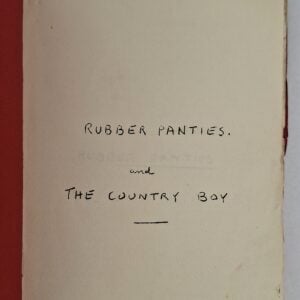

Rubber Panties / The Country Boy
AU$150 Read MoreAdd to cart[SOHO TYPESCRIPT]
[London]: n. p., No date.Soho typescripts were clandestinely produced works of pornographic fiction associated with London’s Soho book trade during the 1950s and 1960s. Typically typewritten, duplicated by mimeograph, and printed on one side of the paper only, they were usually issued in simple stapled wrappers without publication details. Sold under the counter, they formed part of Britain’s illicit post-war pornography trade, with retailers categorizing stock by theme using a shorthand folk-sexological vocabulary such as ‘fladge’ (flagellation), ‘straight’, ‘B/W’ (interracial), ‘les’ (lesbian), and ‘Fem Dom’ (female domination). Produced as ephemeral publications and often read to destruction, surviving examples are scarce and remain under-represented in institutional collections.
-
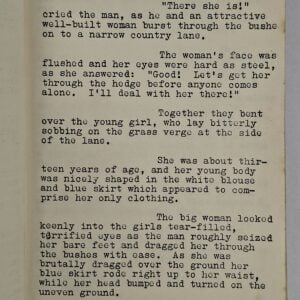
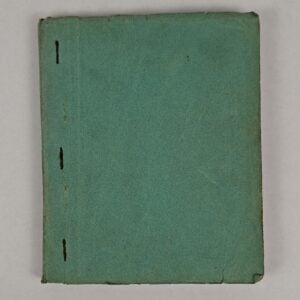
Special School / The New Governess
AU$150 Read MoreAdd to cart[SOHO TYPESCRIPT]
[London]: n. p., No date.Soho typescripts were clandestinely produced works of pornographic fiction associated with London’s Soho book trade during the 1950s and 1960s. Typically typewritten, duplicated by mimeograph, and printed on one side of the paper only, they were usually issued in simple stapled wrappers without publication details. Sold under the counter, they formed part of Britain’s illicit post-war pornography trade, with retailers categorizing stock by theme using a shorthand folk-sexological vocabulary such as ‘fladge’ (flagellation), ‘straight’, ‘B/W’ (interracial), ‘les’ (lesbian), and ‘Fem Dom’ (female domination). Produced as ephemeral publications and often read to destruction, surviving examples are scarce and remain under-represented in institutional collections. This issue with two short stories, the second with two erotic lesbian line drawings.
-
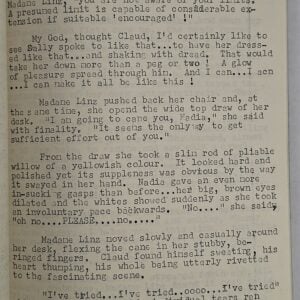
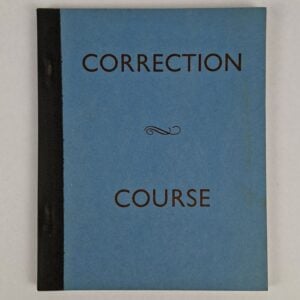
Correction Course
AU$150 Read MoreAdd to cart[SOHO TYPESCRIPT]
[London]: n. p., No date.Soho typescripts were clandestinely produced works of pornographic fiction associated with London’s Soho book trade during the 1950s and 1960s. Typically typewritten, duplicated by mimeograph, and printed on one side of the paper only, they were usually issued in simple stapled wrappers without publication details. Sold under the counter, they formed part of Britain’s illicit post-war pornography trade, with retailers categorizing stock by theme using a shorthand folk-sexological vocabulary such as ‘fladge’ (flagellation), ‘straight’, ‘B/W’ (interracial), ‘les’ (lesbian), and ‘Fem Dom’ (female domination). Produced as ephemeral publications and often read to destruction, surviving examples are scarce and remain under-represented in institutional collections.
-
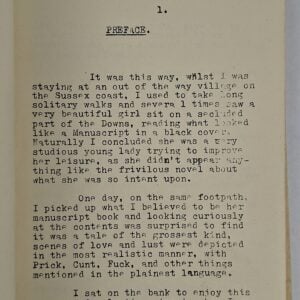
Sweet Satisfaction
AU$150 Read MoreAdd to cart[SOHO TYPESCRIPT]
[London]: n. p., No date.Soho typescripts were clandestinely produced works of pornographic fiction associated with London’s Soho book trade during the 1950s and 1960s. Typically typewritten, duplicated by mimeograph, and printed on one side of the paper only, they were usually issued in simple stapled wrappers without publication details. Sold under the counter, they formed part of Britain’s illicit post-war pornography trade, with retailers categorizing stock by theme using a shorthand folk-sexological vocabulary such as ‘fladge’ (flagellation), ‘straight’, ‘B/W’ (interracial), ‘les’ (lesbian), and ‘Fem Dom’ (female domination). Produced as ephemeral publications and often read to destruction, surviving examples are scarce and remain under-represented in institutional collections.
-
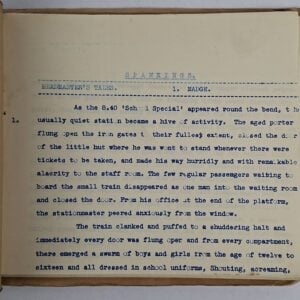
Spankings. Headmaster’s Tales.
AU$150 Read MoreAdd to cart[SOHO TYPESCRIPT]
[London]: n. p., No date.Soho typescripts were clandestinely produced works of pornographic fiction associated with London’s Soho book trade during the 1950s and 1960s. Typically typewritten, duplicated by mimeograph, and printed on one side of the paper only, they were usually issued in simple stapled wrappers without publication details. Sold under the counter, they formed part of Britain’s illicit post-war pornography trade, with retailers categorizing stock by theme using a shorthand folk-sexological vocabulary such as ‘fladge’ (flagellation), ‘straight’, ‘B/W’ (interracial), ‘les’ (lesbian), and ‘Fem Dom’ (female domination). Produced as ephemeral publications and often read to destruction, surviving examples are scarce and remain under-represented in institutional collections.
-
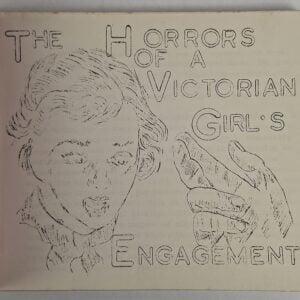
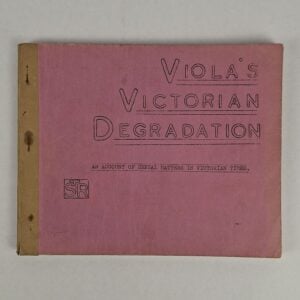
The Horrors of a Victorian Girl’s Engagement
AU$250 Read MoreAdd to cart[SOHO TYPESCRIPT]
[London]: n. p., No date.Soho typescripts were clandestinely produced works of pornographic fiction associated with London’s Soho book trade during the 1950s and 1960s. Typically typewritten, duplicated by mimeograph, and printed on one side of the paper only, they were usually issued in simple stapled wrappers without publication details. Sold under the counter, they formed part of Britain’s illicit post-war pornography trade, with retailers categorizing stock by theme using a shorthand folk-sexological vocabulary such as ‘fladge’ (flagellation), ‘straight’, ‘B/W’ (interracial), ‘les’ (lesbian), and ‘Fem Dom’ (female domination). Produced as ephemeral publications and often read to destruction, surviving examples are scarce and remain under-represented in institutional collections. Cover title: Viola’s Victorian Degradation: An Account of Sexual Matters in Victorian Times.
-
Soho Story
AU$150 Read MoreAdd to cartSheila Foster [Michael Bernet]
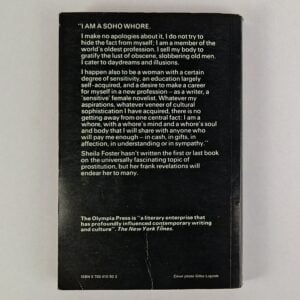
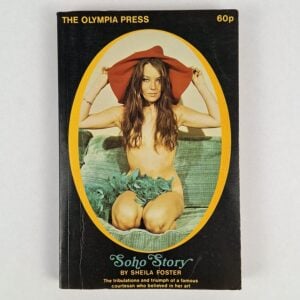
London: The Olympia Press, 1971.First UK edition, retitled from ‘Soho Whore: The Making of a London Prostitute’ (New York: Olympia Press, [1967]). Published under the pseudonym Sheila Foster, presented as the memoir of a London sex worker, the book was in fact written by the Israeli author Michael Bernet, one of the writers associated with Maurice Girodias’ post-Paris Olympia Press ventures. The change of title presumably reflects the requirements of UK retail distribution, “Soho Whore” being rather more blunt than British high-street booksellers of the period were accustomed to displaying. Published during the brief final phase of Girodias’ operations under the Olympia Press imprint in London.
-
Acid Temple Ball
AU$250 Read MoreAdd to cartMary Sativa
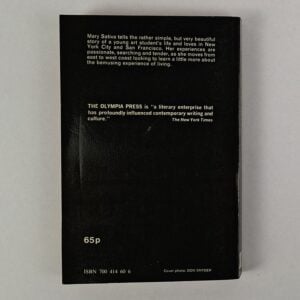
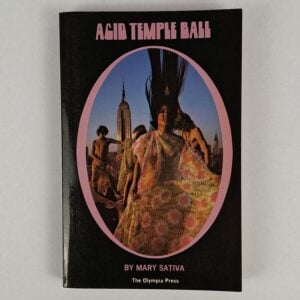
London: The Olympia Press, 1971.The first UK printing of this psychedelic erotica classic, following two printings in New York. “Mary Sativa tells the rather simple, but very beautiful story of a young art student’s life and loves in New York City and San Francisco. Her experiences are passionate, searching and tender, as she moves from east to west coat looking to learn a little more about the bemusing experience of living.” (while taking lots of drugs and having lots of sex). Cover photo by Don Snyder.
-

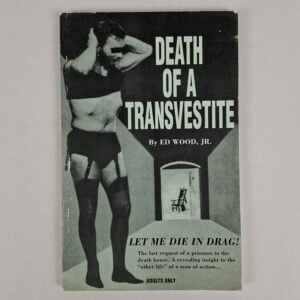
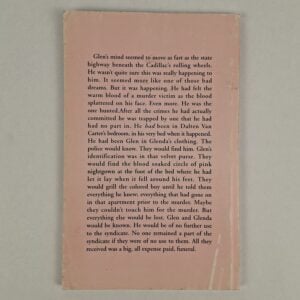
Death of a Transvestite
AU$150 Read MoreAdd to cartEd Wood, Jr.
[San Francisco]: Angora Press, No date.The sequel to Edward D. Wood, Jr.’s most widely reprinted novel, Killer in Drag. Glen Marker, the contract killer who worked in drag as Glenda Satin, is now on death row; he agrees to set down the full account of his life on condition that he be allowed to die in drag. Much of the story is delivered through police reports and similar documents. First published in 1967, this is the circa 1990 Angora Press edition.
-
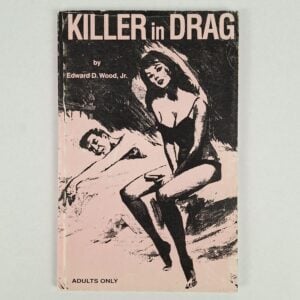
Killer in Drag
AU$150 Read MoreAdd to cartEdward D. Wood, Jr.
[San Francisco]: Angora Press, No date.Early edition of one of prolific filmmaker and pulp novelist Ed Wood, Jr.’s most widely reprinted novels. More crime fiction than outright erotica, it follows Glen Marker, a New York contract killer who works in drag as his alter ego Glenda Satin. The protagonist can be read as a continuation of the figure from Wood’s 1953 directorial debut, ‘Glen or Glenda?’. First published in 1963 as Black Lace Drag and retitled Killer in Drag from 1965; this is the circa 1990 Angora Press edition.
-
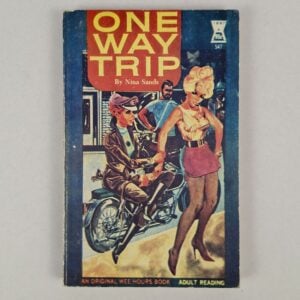
One Way Trip
AU$50 Read MoreAdd to cartNina Sands
Buffalo: Wee Hours Books Inc., 1967.Lesbian biker pulp fiction. Wee Hours 547. Cover art by Bill Alexander. Unrecorded in OCLC.
-
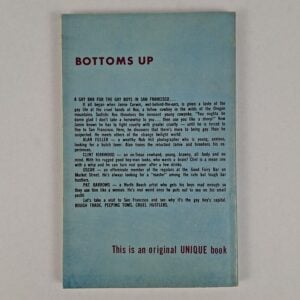
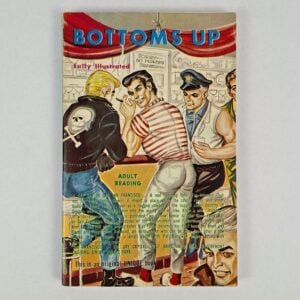
Bottoms Up
AU$400 Read MoreAdd to cartNed Winslow
: Unique Books, 1966.A gay bar in gay San Francisco. Cover illustration by Gene Bilbrew and 6 interior black and white illustrations by various artists. One of the many gay erotic pulp novels produced in the mid to late 20th century. These short sexually explicit stories, many of which were formulaic and published in easily recognisable series with graphically illustrated covers and titillating titles each targeting a specific sexual niche, demonstrate the breadth of sexual fantasy, occupation, desire, and deviance of the emerging homosexual culture.
-
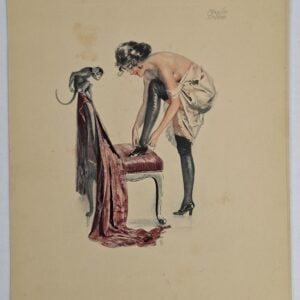
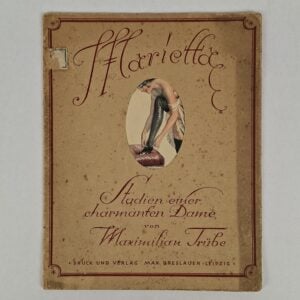
Marietta. Studien einer charmanten Dame.
AU$1,000 Read MoreAdd to cartMaximilian Trube
Leipzig: Max Breslauer, No date.Portfolio of six lightly erotic colour plates depicting Marietta in various poses around the house clad in stockings and accompanied by either a monkey, dog, or cat, circa 1925. Unrecorded in OCLC.
-
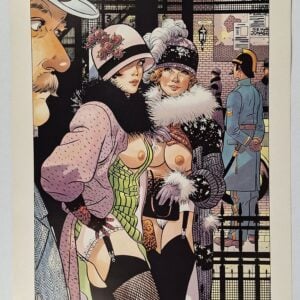
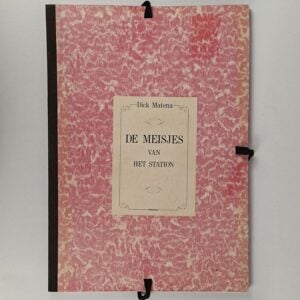
De Meisjes van Het Station
AU$400 Read MoreAdd to cartDick Matena
: Arboris, 1990.Erotic art portfolio by Dutch comic artist Dick Matena. 8 colour plates, each signed and numbered, and with an accompanying text leaf and monochrome plate of the original sketch. One of 400 signed and numbered copies.
-
Drawings and Paintings of Rabindranath Tagore: Centenary 1861-1961
AU$50 Read MoreAdd to cartRabindranath Tagore
New Delhi: Lalit Kala Akademi, 1961.20 plates of paintings by the Bengali poet, with an introduction by Prithwish Neogy.
-
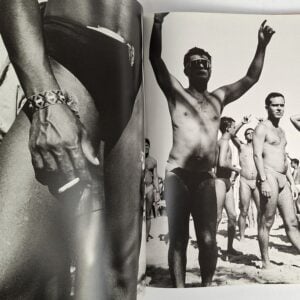

Brazil Incarnate
AU$50 Read MoreAdd to cartChristopher Pillitz
Zurich: Edition Stemmle, 2000.Photo book from the streets, beaches, and parties of Brazil. A five years study on Brazilian sexuality and body culture. Text by Paul Theroux and a preface by Caetano Veloso.
-
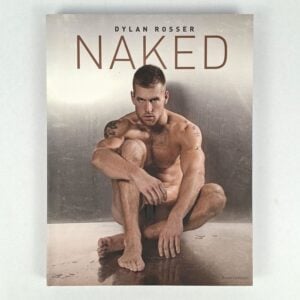
Naked
AU$400 Read MoreAdd to cartDylan Rosser
Berlin: Bruno Gmunder, 2011.Male nude photography. Rosser’s final book of new studio nudes before relocating to Ibiza and turning to outdoor shoots.
-
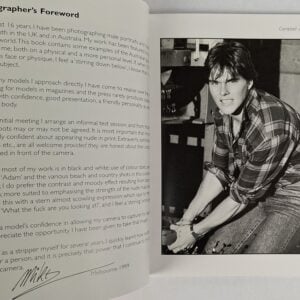
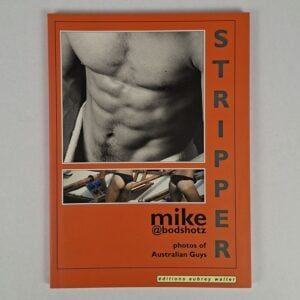
Stripper: Photos of Australian Guys
AU$100 Read MoreAdd to cartMike@Bodshotz
London: Editions Aubrey Walter, 1999.“Working as a stripper myself for several years, I quickly learnt how nudity can empower a person, and it is precisely that power that I continue to try and capture with my camera.” (artist’s statement)
-
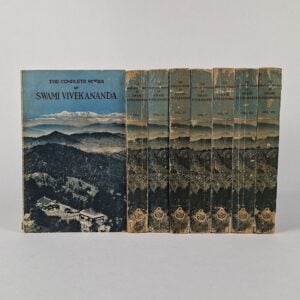
The Complete Works of Swami Vivekananda
AU$100 Read MoreAdd to cartSwami Vivekananda
Calcutta: Avaita Ashrama, 1972-9.The collected works of the great Indian monk and thinker. This edition complete in 8 volumes.
-
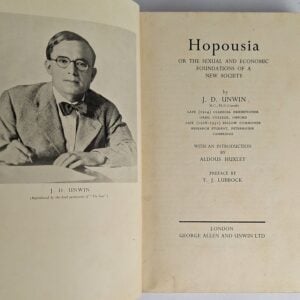
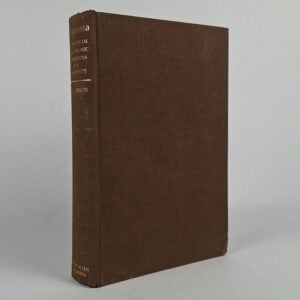
Hopousia or the Sexual and Economic Foundations of a New Society
AU$250 Read MoreAdd to cartJ. D. Unwin
London: George Allen & Unwin, 1940.Unwin’s unfinished sequel to Sex and Culture (1934), published posthumously. “..a non-narrative Utopia where Sex is described as being made available through two forms of marriage: the monogamous alpha form entitles its adherents to accept responsibility for running the world; the polygamous beta form welcomes free love. Citizens can change from one marriage formula to the other. The rulers of the world are made free by this structure to focus on the maintenance of a sustainable state, where energy flows where needed, and returns. From this balance and restraint, Unwin argues, equity will flow, but his death before the book was finished abruptly truncated any summary argument. In his long introduction, Aldous Huxley recognizes this deficit while recognizing the importance of Unwin’s “formulation of the sexual and economic conditions of social energy.”” (The Encyclopedia of Science Fiction) BROMER B59.1.
-
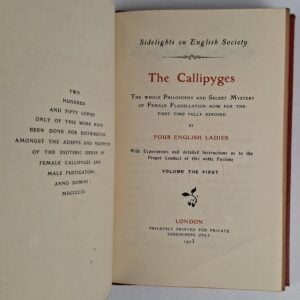
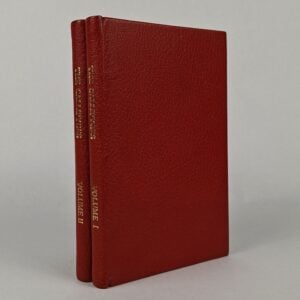
The Callipyges: The Whole Philosophy and Secret Mystery of Female Flagellation now for the first time fully exposed
AU$500 Read MoreAdd to cartFour English Ladies
London: Privately Printed for Private Subscribers Only, 1903.With Experiments and detailed Instructions as to the Proper Conduct of this noble Pastime. Sidelights on English Society. “This book, which is perfectly new, we venture to predict, be one day recognised as, in a sense, the Bible of Flagellation.” (from Carrington’s prospectus). Printed for Charles Carrington by Veuve Guy. First appearing in 1901, though possibly only the first volume, which was then reprinted for the two volume set as here. “… a translation of the French original: ‘Les Callipyges, ou Les Delices de la Verge, Par E.D… Paris, Chez la Petite Lolotte… 1889 (Brancart, Amsterdam).” (Peter Mendes: Clandestine Erotic Fiction in English, 1800-1930) MENDES 137-B.
-
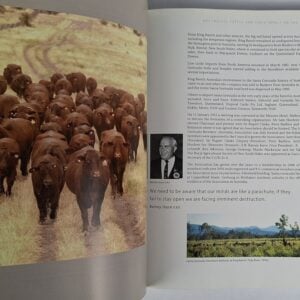

Beef Cattle Australia
AU$100 Read MoreAdd to cartRussell Reed
Brisbane: Acacia Press, 2009.An industry account of Australian cattle farming.
-
Journal of a Voyage to New South Wales
AU$1,000 Read MoreAdd to cartJohn White
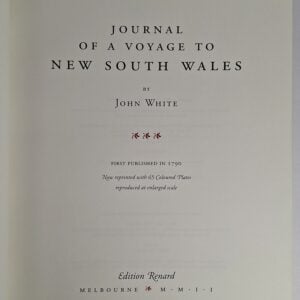
Melbourne: Edition Renard, 2002.One of 150 numbered copies of the standard edition (from a total edition of 212). A new edition of the first significant natural history book on Australia published after the First Fleet, with the text reset in Garamond, attractively printed in black, red, and green, and the plates enlarged by 50%. The 65 plates, by Sarah Stone, F. P. Nodder, and others, comprise 29 of birds (including splendid parrots), 10 of reptiles and amphibians, 7 mammals (marsupials and the Dingo), 6 of fishes, 9 of plants (including magnificent Banksias), 2 of invertebrates, and 2 of Aboriginal weapons and artefacts. In the original, the cancelled leaf Hh4 carries variant text for the Wattled Bee-Eater (the female in the cancelled state, the male in the uncancelled), both reproduced here, with bibliographical and publishing notes appended.
-
The Loan of a Lover; or, Vera’s Flirtation
AU$100 Read MoreAdd to cartLaura Jean Libbey
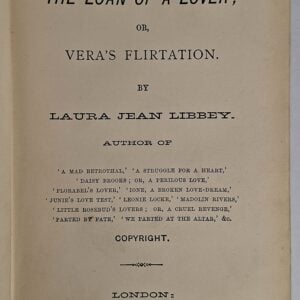
London: Milner and Company, No date.English cloth reprint (c. 1900) of a romance from Brooklyn “working-girl” novelist Laura Jean Libbey (1862-1924). Libbey was among the most widely reprinted American writers of dime novel fiction in her day, this work however scarce, with no copies of any edition currently in the trade, and only 5 holdings in OCLC.
-
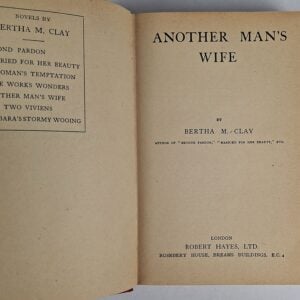
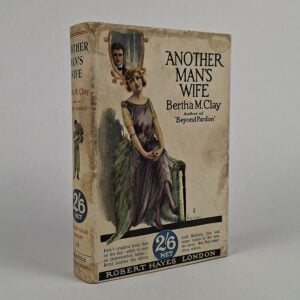
Another Man’s Wife
AU$100 Read MoreAdd to cartBertha M. Clay
London: Robert Hayes, No date.“Fate’s cruellest irony that on the day–when to save an impoverished father–Beryl marries the elderly Lord Medford, title and riches come to the man she loves. But Fate sometimes relents.” (from jacket) Classic Victorian romance published under the prolific pseudonym of Bertha M. Clay, first used by Charlotte M. Brame (1836-1884) before being penned by a number of hands, here quite possibly the hand of John Russell Coryell, first appearing as a serial in the New York Weekly in 1887 before hitting the stands as a dime novel published by Street & Smith, to which Coryell had family connection. Here published under the Robert Hayes imprint in the early 1920s half-crown Sandringham Library series, this copy with the original illustrated jacket, signed Ryder.
-
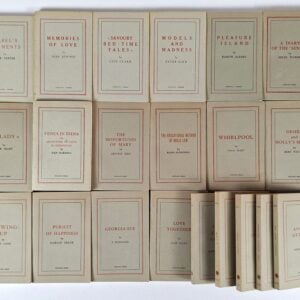
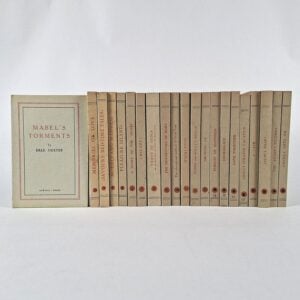
Complete Set of the Oceanic Press Erotica from the Collection of Gershon Legman
AU$2,500 Read MoreAdd to cart[Pierre Delarue]
Paris: Oceanic Press, 1958-1960.A complete run of Oceanic Press (twelve numbered and nine unnumbered volumes, two carrying a second work apiece for 23 in all) from the library of erotologist and folklorist Gershon Legman (1917-1999), four of the unnumbered volumes numbered to the spine in his hand, and several with his brief bibliographic notes to the front flyleaf. Oceanic, produced by Pierre Delarue, was one of the Paris fly-by-night imprints thrown up in the late 1950s in the wake of Maurice Girodias’ Olympia Press, with Delarue shamelessly copying the size, format, and pseudonymous manner of the Traveller’s Companion books; most of the authors remain unidentified. Legman names Jack Olley, author ‘Love Together’, as a Black writer. The prize is No. 6, ‘A Diary of the Senses’: the first edition in English of an early work of trans erotica, its narrative of surgical sex-change apparently prompted by the Christine Jorgensen case. Issued here under the name Helen Tucker, it is generally attributed to the artist Isidore Isou (1925-2007), having first appeared in French as ‘La Confidence Sensuelle’ (Eric Losfeld, c. 1955) under the pseudonym Andre Suffren.
-
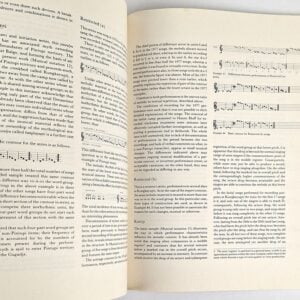
Songs of the Pintupi: Musical Life in a Central Australian Society
AU$100 Read MoreAdd to cartRichard M. Moyle
Canberra: Australian Institute of Aboriginal Studies, 1979.Musical score throughout.
-
An Individual View
AU$150 Read MoreAdd to cartEric Thake
Melbourne: Gryphon Books, 1982.Photobook of the Australian artist. Thake had carried a camera alongside his sketchbook from the 1950s, and the book records the photographic side of an artist otherwise known almost wholly for his printmaking, here presenting 28 plates. Produced in the year of Thake’s death in an edition of 250 numbered copies, this an out of sequence proof copy. Text by Elizabeth Summons, preface by Patrick McCaughey.
-
Bradshaw Art of the Kimberley
AU$2,000 Read MoreAdd to cartGrahame L. Walsh
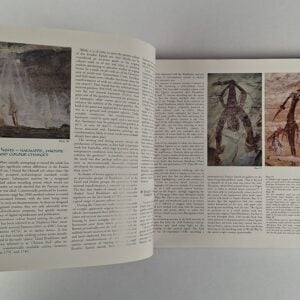
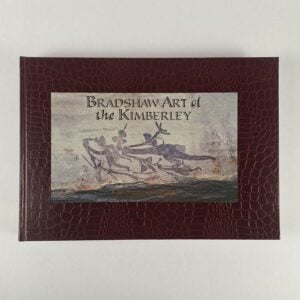
Brisbane: Takarakka Nowan Kas Publications, 2000.The magnum opus of Australian rock art researcher, Grahame L. Walsh (1944-2007), being his detailed study of the rock paintings of the Kimberley region of North-Western Australia.
-
The Photograph as Symbol
AU$1,000 Read MoreAdd to cartWynn Bullock
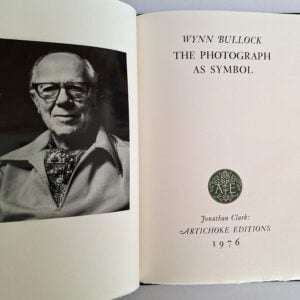
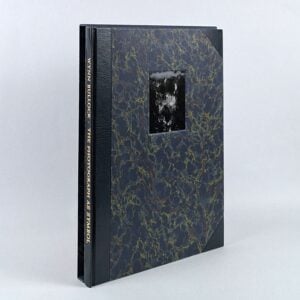
Mountain View: Artichoke Press, 1976.One of 200 numbered copies, signed by the printer Jonathan Clark and with Wynn Bullock’s autographed initials mounted on the limitation page. Bullock’s final work: six short prose passages on the symbol in photography, each paired with a plate, the text settled by June 1975 and issued, at his wish, as a limited edition shortly after his death.
-
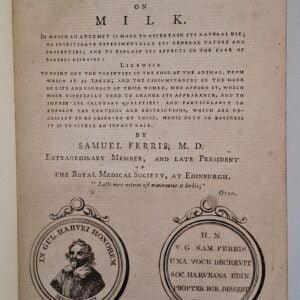
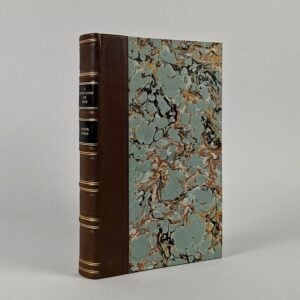
A Dissertation on Milk
AU$1,000 Read MoreAdd to cartSamuel Ferris
London: John Abraham, [1785].In which an attempt is made to ascertain its natural use; to investigate experimentally its general nature and properties; and to explain its effects in the cure of various diseases: Likewise to point out the varieties in the food of the animal, from which it is taken; and the circumstances in the mode of life and conduct of those women, who afford it, which more especially tend to change its appearance, and to impair its salutary qualities: and particularly to enforce the cautions and restrictions, which are necessary to be observed by those, whose duty or business it is to suckle an infant race. One of the more substantial English-language eighteenth-century monographs devoted wholly to milk, combining experimental chemistry with medical, moral, and social thought on infant feeding, motherhood, female bodies, and the transmission of health and character. Ferris undertakes comparative chemical experiments on six milks (ass, human, mare, cow, goat, and ewe) and uses the results to advance a sustained argument for maternal breastfeeding against both wet-nursing and the nursery customs of the day. He maintains that a mother’s own milk is the best possible nutriment and casts a woman’s refusal to nurse her child as ‘one of the worst species of inhumanity’. He approvingly cites the late Dr William Hunter (1718-1783), who believed cancers of the breast occurred disproportionately among women who declined to breastfeed, and condemns the common practice of withholding the breast during the first days after birth. Where maternal nursing proves impossible, Ferris subjects the wet nurse to detailed scrutiny. Her diet, habits, mode of life, and even emotional state are made objects of prescription, the infant being thought to absorb the consequences of her conduct through her milk. The nursing body is thus framed throughout as an object of medical and social management, ordered in the interests of the ‘infant race’. Presentation copy, inscribed by Ferris to The Revd. Mr Tonyn, likely the Revd Charles William Tonyn (1732-1805), Rector of Radnage, Buckinghamshire, a parish situated near Great Missenden, where Ferris settled in 1785.
-
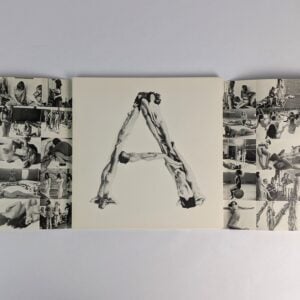
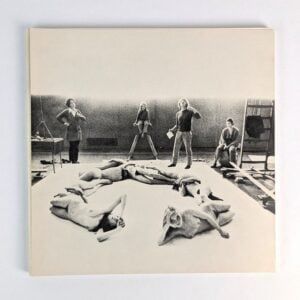
Alphabet
AU$600 Read MoreAdd to cartAnthon Beeke
Hilversum: steendrukkerij de Jong & Co., 1970.A set of 30 cards, each depicting a letter of the alphabet or punctuation mark formed by nude women posed on the floor. A major work of prominent Dutch designer Anthon Beeke, originally titled Naked Ladies Alphabet and later renamed Body Type, of which Beeke said: “This alphabet was a reaction to the computer alphabet made by Wim Crouwel. I admit: it’s absolutely unreadable and hence unusable. But if you’re going to make something unusable, you can at least make something people are able to enjoy.” Photography by Geert Kooiman. Produced by Anna Beeke. Story by Ed van der Elsken. Jenkins’ readers most likely know Beeke from his design work for the Suck special issue, The Virgin Sperm Dancer.
-
The Legman Book of Sex
AU$4,500 Read MoreAdd to cartGeorge Rhoads
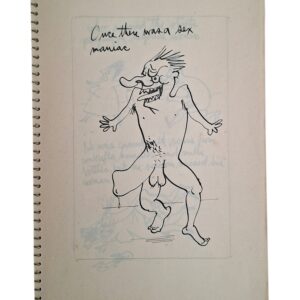
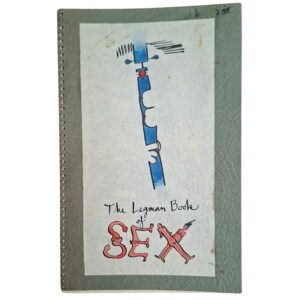
: George Rhoads, 1954.A unique artist’s book by the American painter and sculptor George Rhoads (1926-2021) as a gift for his friend, the erotologist and folklorist Gershon Legman (1917-1999). The two met in Paris shortly after Rhoads’ arrival there in 1952, bonding over origami. The discipline of mechanical precision inherent in origami arguably foreshadows his later complex audiokinetic ball machine sculptures. Rhoads is known to have sent Legman letters embellished with foldings and comic drawings throughout the 1950s and 1960s (a small number of models survive in the Legman archive at the Origami Art Museum, Colonia del Sacramento), but the present volume is a substantially more ambitious and apparently earlier production, made in the opening years of their friendship, and directed squarely toward Legman’s lifelong scholarly fascination with erotic folklore and bawdy humour. The 58 leaves are each illustrated on the recto with original cartoon drawings. The first sixteen leaves carry two short erotic tales: one of ten leaves concerns the tale of a sex maniac; the second, of six leaves, recounts the adventures of “five little Fuckers and how they blew”; the remaining forty-two leaves illustrated with standalone erotic cartoons. The front cover with a colour illustrated title, the inside lower board signed by Rhoads with a decorative border, the date supplied in Legman’s hand. Of considerable research interest as a primary-source artefact of the Rhoads-Legman friendship, complementing the surviving body of gifted material preserved in the Legman archive at the Origami Art Museum. The erotic content places it at the intersection of Rhoads’ early Paris work and Legman’s lifelong scholarship on erotic folklore and bawdy humour, later culminating in his major study ‘Rationale of the Dirty Joke’ (First Series 1968; Second Series 1975). Provenance: ex the estate of Gershon Legman by descent via Neil Pearson.
-
Archive of 31 Kinbaku Photographs and 2 Typed Letters Signed, Supplied to Jurgen Boedt for Secret Magazine, Fetish Photo Anthology, and Extreme
AU$2,500 Read MoreAdd to cartMaster K
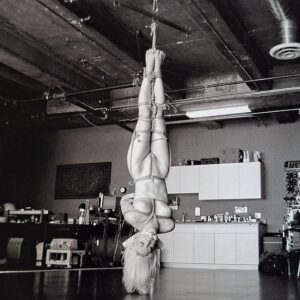
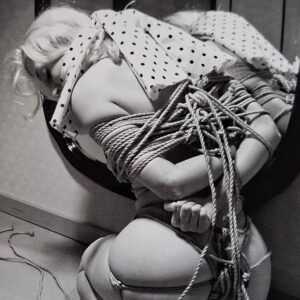
Los Angeles: Master K, 1999-2002.Archive of kinbaku photographs supplied by Master K to Jurgen Boedt, editor and publisher of the Belgian fetish magazine Secret, accompanied by two signed letters detailing their intended editorial use. The first letter accompanied twelve black-and-white photographs (“Each is an illustration of classical shibari”) and a printed copy of his article ‘A Brief History of Shibari,’ subsequently published in Secret #20. It includes an authorial biography and acknowledges collaborators by name: “Although he usually only works with shibari enthusiasts, for this series of stills he collaborated with some of America’s best known fetish models. For helping in the mutual search for the artistic in the erotic he would like to thank: Devon, subgirl, Julie Simone and Michelle.” The second letter, warmly signed, accompanied further photographic contributions intended for two Boedt-edited hardcovers: the fourth volume of ‘Fetish Photo Anthology’ and ‘Extreme’, with Master K explaining: “I tried to combine the best of traditional kinbaku art with interesting photography in order to show the excitement, drama and passion felt by the truly engaged submissive. All the emotions shown here are real. There was no posing and everyone involved had a great time.” The material predates Master K’s book publications and documents an early phase of his public output and self-positioning within Western fetish publishing. He would later publish ‘Shibari, the Art of Japanese Bondage’ (2004) and ‘The Beauty of Kinbaku’ (2008; revised edition 2015), the latter translated into Japanese as ‘A Cultural History of Kinbaku’ (Suriensha, 2013). Beyond print, he served as rigger for the 2016 film ‘The Neon Demon’, starring Keanu Reeves and Elle Fanning, and was co-founder of the Los Angeles study groups Spring Tiger Ryu and LA Rope.
-
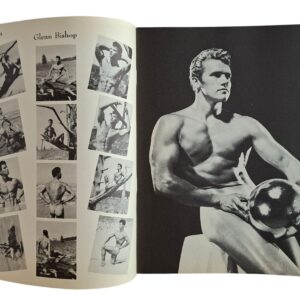
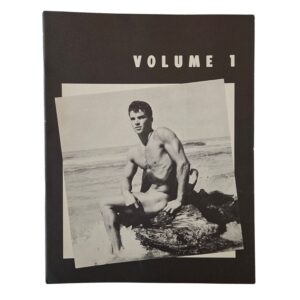
Volume 1
AU$250 Read MoreAdd to cart[Bob Delmonteque]
[Los Angeles]: [Bob Delmonteque], [1957].Bob Delmonteque (1921-2011), a Detroit-born bodybuilder first gained fame as a physique model for Douglas of Detroit in the late 1940s before establishing his own Los Angeles based photography and mail-order business. This volume reproduces 25 original catalogue sheets at an enlarged scale, supplemented by a series of full-page plates, Models include Glenn Bishop, Richard Alan, and Norman Tousley, though Delmonteque himself appears frequently, both as photographer and subject.
-
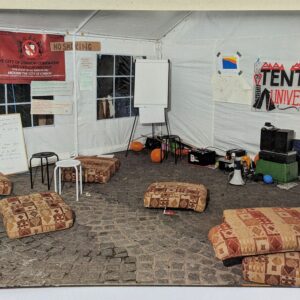
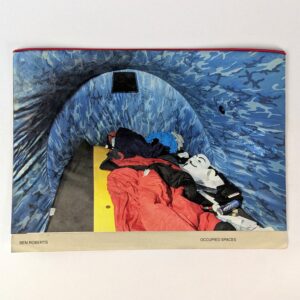
Occupied Spaces
AU$200 Read MoreAdd to cartBen Roberts; Naomi Colvin
London: Here Press, 2012.Photographic documentation of the private and communal spaces of the 2011-2012 Occupy London protest, with a short essay by Naomi Colvin. First edition, one of 250 copies (a second edition of 100 copies was printed in 2014).
-
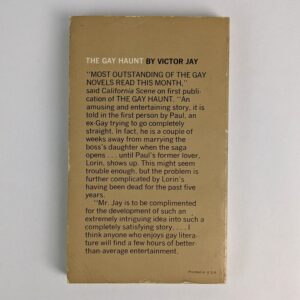
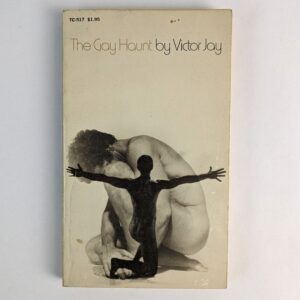
The Gay Haunt
AU$200 Read MoreAdd to cartVictor Jay
New York: The Other Traveller, 1972.Gay pulp fiction by Victor J. Banis under his Victor Jay pseudonym, one of several he employed for his prolific output of gay paperback fiction in the 1960s and 70s. Banis was a pioneering figure in gay genre fiction, among the first American writers to place openly gay protagonists at the centre of mass-market paperbacks, not as villains, victims, or cautionary figures, but as sympathetic leads in adventure, mystery, and comedy. This copy signed by Banis to the title page.
-

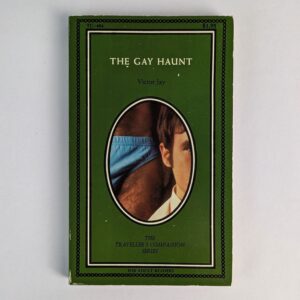
The Gay Haunt
AU$400 Read MoreAdd to cartVictor Jay
New York: The Olympia Press, 1970.Gay pulp fiction by Victor J. Banis under his Victor Jay pseudonym, one of several he employed for his prolific output of gay paperback fiction in the 1960s and 70s. Banis was a pioneering figure in gay genre fiction, among the first American writers to place openly gay protagonists at the centre of mass-market paperbacks, not as villains, victims, or cautionary figures, but as sympathetic leads in adventure, mystery, and comedy. Part of Maurice Girodias’ The Olympia Press Traveller’s Companion Series, TC-484. “Can a handsome young gay stud go straight and marry the boss’s daughter? Sure, if the amorous ghost of his late boyfriend doesn’t materialize naked in his car, at his parties, and in his bed.” This copy signed by Banis to the title page.
-
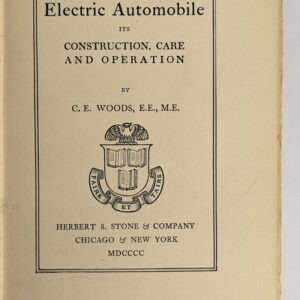

The Electric Automobile: Its Construction, Care and Operation
AU$400 Read MoreAdd to cartC. E. Woods
Chicago and New York: Herbert S. Stone & Company, 1900.One of the earliest monographs devoted to electric vehicles, covering their construction, maintenance, and practical operation at a time when electrics were serious competitors to petrol-powered cars. Clinton Edgar Woods (1863-1927), an electrical and mechanical engineer, founded the Woods Motor Vehicle Company in Chicago in 1896 and was a committed advocate of electric propulsion, anticipating that both electric and gasoline vehicles would displace horse-drawn transport. Writing at a moment when the relative futures of electric and gasoline power remained uncertain (though the limitations of battery range were already apparent) Woods expresses a cautious scepticism that would, for much of the following century, be borne out by the dominance of the internal combustion engine. “Will not a battery some time be made to run a vehicle 100 or more miles on one charge? While this may be possible, the writer hardly thinks it probable.”
-
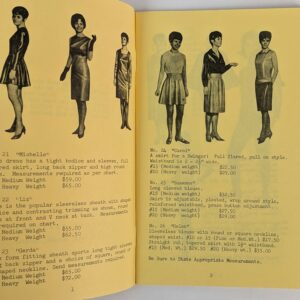
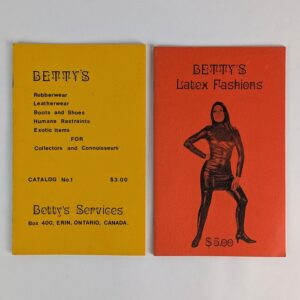
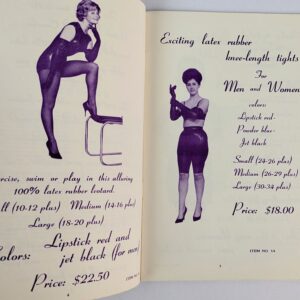
Betty’s Latex Fashions Catalog (2 Volumes)
AU$200 Read MoreAdd to cartBetty’s Latex Fashions
Erin: Betty’s Services, No date.The first two catalogues for Canadian mail order rubberwear business Betty’s Latex Fashions.
-
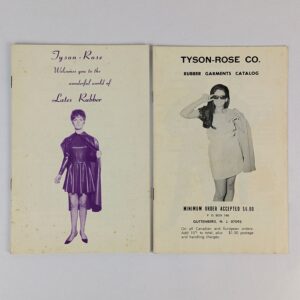
Tyson-Rose Rubber Garments Catalog (2 Volumes)
AU$100 Read MoreAdd to cartTyson-Rose Co.
Guttenberg: Tyson-Rose Company, No date.Two catalogues for New Jersey mail order rubberwear business Tyson-Rose Co.
-
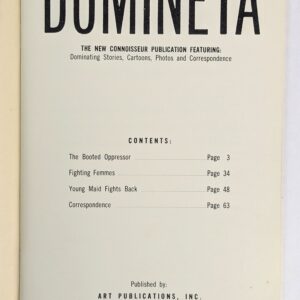
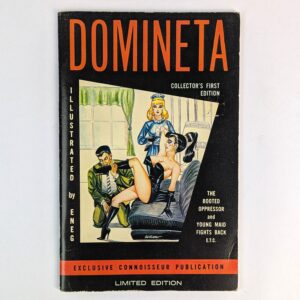
Domineta
AU$400 Read MoreAdd to cartGene Bilbrew; A. De Granamour; Ralph Gayl; Gene Paul
New York: Art Publications, 1965.3 femdom short stories with illustrations by Gene Bilbrew, noted African American fetish artist of the 1950s and 60s, under his Eneg moniker. Billed as a new Connoisseur publication (whether it was produced by Leonard Burtman, or riding off the back of the collapse of Selbee, is unknown) and as a Collector’s First Edition, together with a call for correspondence to be sent in from readers, however no further issues appear to have been produced. The first author, A. DeGranamour, whose contribution occupies more than half the volume, went on to pen numerous works of erotica published in the late 1960s and early 1970s.
-
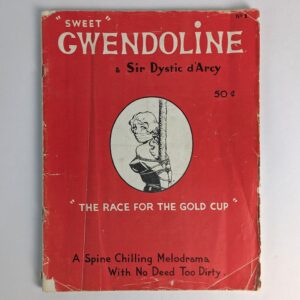
Sweet Gwendoline & Sir Dystic d’Arcy No. 1: The Race for the Gold Cup
AU$2,000 Read MoreAdd to cartJohn Willie [John Alexander Scott Coutts]
Los Angeles: J. A. S. Coutts, 1958.The complete cartoon serial of Sweet Gwendoline, reworked, finished, and published by the artist. The character first appeared in Coutts’ iconic fetish magazine Bizarre, which ran for 26 issues between 1946 and 1959 and remains the most influential fetish periodical of its era. Publishing under the pseudonym John Willie, Coutts’ work profoundly shaped later artists including Eric Stanton, Gene Bilbrew, and erotica publisher Leonard Burtman. Born in Singapore to British parents, Coutts lived in Brisbane and Sydney from 1926 to 1945, where he developed his signature aesthetic centred on high heels, corsetry, and bondage. During this period he produced photographs and drawings, often featuring his wife and model Holly Anna Faram, much of which informed the imagery of Bizarre’s early issues. After a short stint in the Australian Military Forces, Coutts emigrated to North America in 1945, publishing Bizarre soon after. This standalone title was published after Coutts had sold the magazine and relocated from New York to Los Angeles. “The final 55-page narrative that Coutts published in magazine form in November 1958 was a significant reworking of the original Sir d’Arcy d’Arcy comic–almost a complete reimagining. The journey to this completed work had been long and winding, beginning in Bizarre, passing through Wink magazine, and briefly distributed by Irving Klaw as 10×8″ photographic sheets. The bound edition Coutts eventually published remains the only complete version.” (Richard Perez Seves, John Willie: The Story of John Alexander Scott Coutts). Two institutional holdings, at Yale University and the Kinsey Institute.
-
Bootlove’s Premier Issue
AU$200 Read MoreAdd to cartD. Jackson
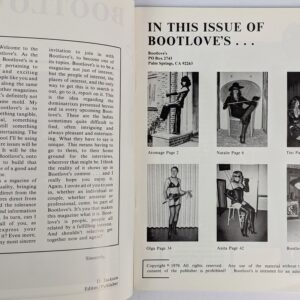
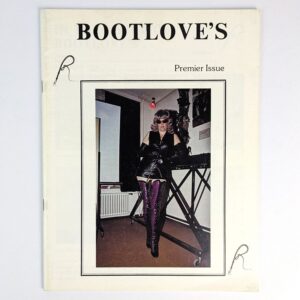
Palm Springs: Bootlove’s, 1979.One-shot American magazine devoted to interviews with professional dominatrixes about their footwear. The first in a series of titles by David Jackson’s Strictly Speaking Publishing Company, which went on to become an established force in femdom publishing through its long-running Domination Directory International (DDI) and Fantasy Fashion Digest. Unrecorded in OCLC.
-
Robert Payne Presents The Levis Crowd
AU$400 Read MoreAdd to cart[John Embry]
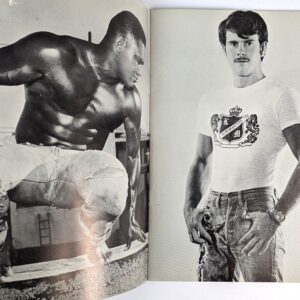
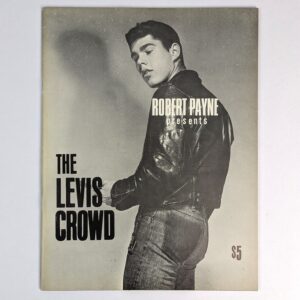
: N.p., No date.A selection from the gay physique photographic archive of Bob Mizer’s Athletic Model Guild (AMG), compiled by Drummer magazine co-founder John Embry under his Robert Payne pseudonym in the years leading up the magazine’s beginnings. The publication brings together masculine imagery of the American outdoorsman in Levi’s, with a centre spread featuring prominent American porn actor and director Fred Halsted.
-
R and R: A Flight Fare Story
AU$500 Read MoreAdd to cartKen Babbs
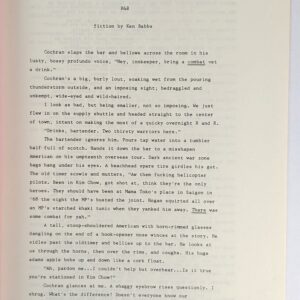
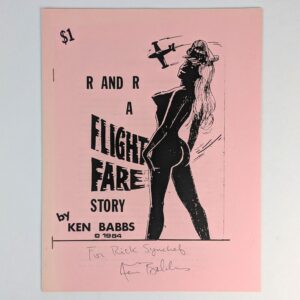
: Ken Babbs, 1984.Self-published short story by Merry Prankster and psychedelic icon Ken Babbs, featuring Marine helicopter pilots Huckelbee and Cochran on R&R at a Japanese brothel, the Five Hundred Club. An early version of what would become, in heavily edited form, chapter 7 of Babbs’ 2011 Vietnam novel, Who Shot the Water Buffalo?. The novel originated from a manuscript Babbs began during his service as a Marine helicopter pilot in Vietnam (1962-63) and took nearly fifty years to reach publication. The present pamphlet is the only known separate printing of any portion of that manuscript, preserving a pre-publication text substantially different from the finished novel. Inscribed by Babbs to counterculture collector and historian Rick Synchef. Unrecorded in OCLC.
-
Birth No. 3 Book 1 & 2: Stimulants: An Exhibition
AU$300 Read MoreAdd to cartTuli Kupferberg
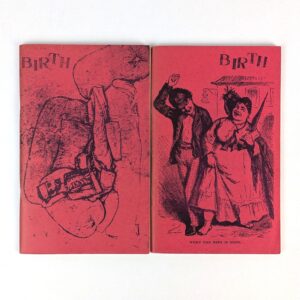
New York: Birth, 1960.1960s Greenwich Village two part literary zine on drugs. Poetic contributions on alcohol, marijuana, peyote, opium, tobacco, tea, coffee, and other stimulants. Texts by Allen Ginsberg, William Burroughs, and many others, edited by American poet and co-founder of The Fugs, Tuli Kupferberg (1923-2010).
-
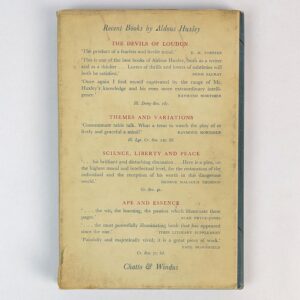
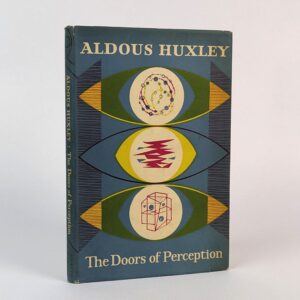
The Doors Of Perception
AU$800 Read MoreAdd to cartAldous Huxley
London: Chatto & Windus, 1954.First Edition of Huxley’s classic psychedelic essay, The Doors of Perception, wherein he recalls his first experience on mescaline. The first English Edition with the jacket designed by John Woodcock. BROMER A68.2.
-
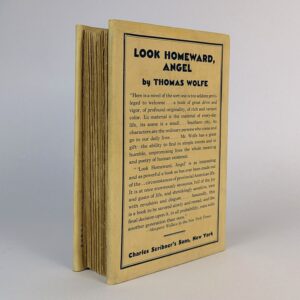
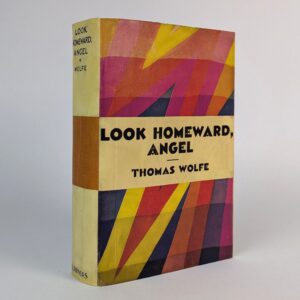
Look Homeward, Angel: A Story of the Buried Life
AU$2,500 Read MoreAdd to cartThomas Wolfe
New York: Charles Scribner’s Sons, 1929.Wolfe’s debut novel, a landmark autobiographical coming-of-age narrative in American literature. First edition, second state dust jacket. JOHNSTON A2.1.a.
-
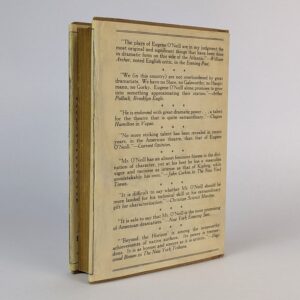
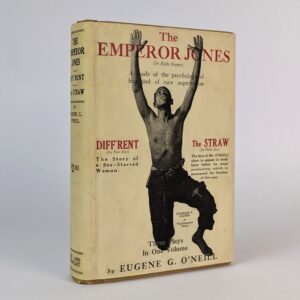
The Emperor Jones; Diff’rent; The Straw
AU$1,500 Read MoreAdd to cartEugene G. O’Neill
New York: Boni and Liveright, 1921.First edition, first state binding, in the original pictorial jacket. The Emperor Jones was a watershed in American theatre, one of the first major Broadway productions to feature a Black actor in a leading dramatic role of such prominence, originally performed by Charles S. Gilpin and later by Paul Robeson in a role that helped establish his international stage reputation. A bold expressionist exploration of fear, power, and racial consciousness, the play remains a landmark text in both African-American theatrical history and the development of modern American drama. ATKINSON A 15-I-i.a. Also includes Diff’rent, a two-act study of sexual repression in a New England fishing village, and The Straw, a naturalistic drama drawn from O’Neill’s own experience in a tuberculosis sanatorium.
-
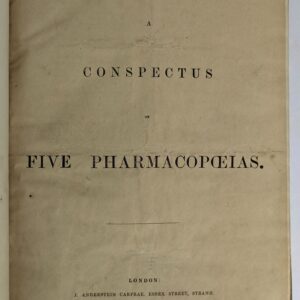
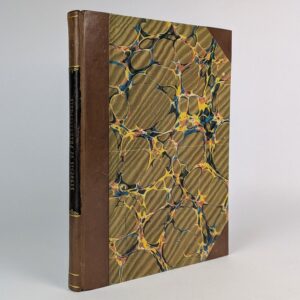
A Conspectus of the Pharmacopoeias of London, Edinburgh, Dublin, Paris, and the United States
AU$400 Read MoreAdd to cartG. M. Mowbray
London: J. Angerstein Carfrae, 1847.Formulas and preparations interleaved with manuscript notes and formulas of EJ Merrifield, with his signature dated 1850.